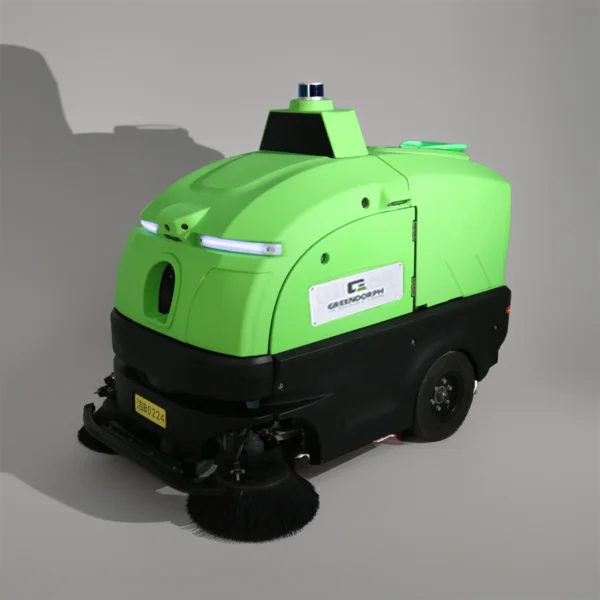
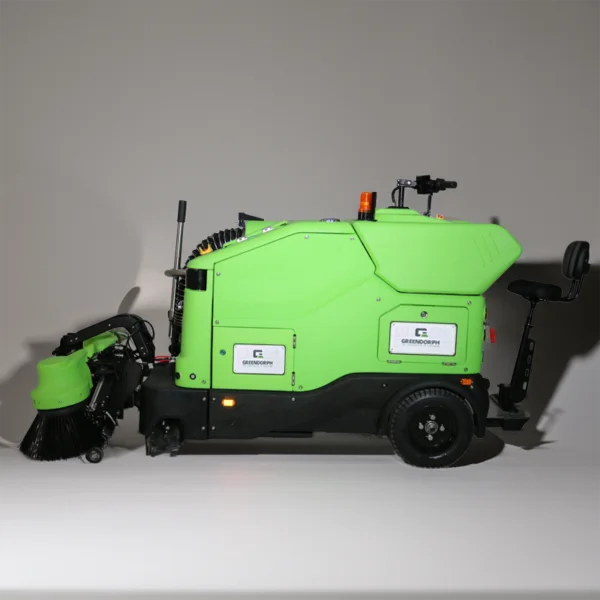
Cleaning outdoor areas is not the same for every site. A pedestrian street, parking facility, residential area, or public road can create different cleaning challenges. The size of a sweeper affects how easily it moves, how much area it covers, and how operators manage daily tasks. Small and large sweepers each have their own application conditions.
For site managers and cleaning teams, the right choice depends on the working environment rather than equipment size alone. Narrow spaces may need flexible movement, while open areas may require wider cleaning coverage. Comparing these two types helps buyers understand which solution fits their operation.
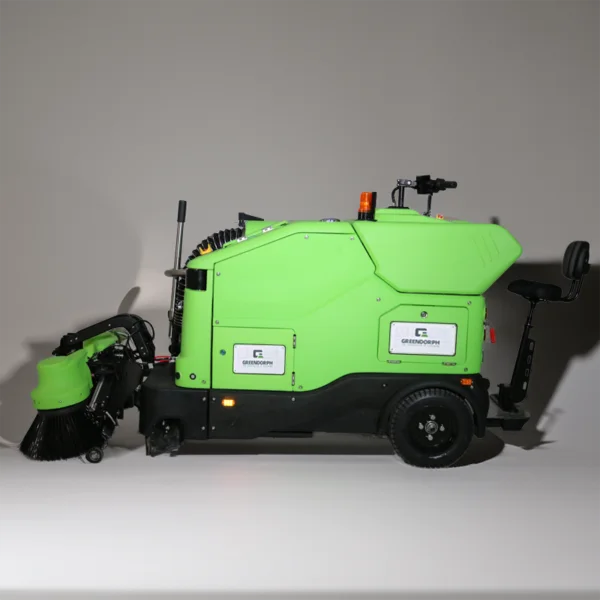
Small Sweepers Offer Flexibility in Limited Spaces
Small sweepers are commonly used in areas where movement is more important than large-scale coverage. Places such as sidewalks, parking structures, pedestrian areas, and community spaces often include narrow paths, corners, and obstacles. A compact machine can move through these areas with fewer restrictions.
For these locations, operators usually need equipment that can change direction quickly and reach areas close to buildings or facilities. A smaller turning radius can make daily cleaning routes easier to organize, especially when the space is shared with pedestrians or vehicles.
A compact sweeper can also reduce storage pressure for sites with limited equipment areas. When the cleaning area does not require large coverage capacity, choosing a smaller model may provide a better balance between operation needs and available space.
Large Sweepers Fit Wider Cleaning Routes
Large sweepers are designed for environments that require broader coverage. Public roads, industrial areas, and large open spaces often have longer cleaning routes and larger surface areas. In these cases, equipment with greater capacity may reduce the number of passes needed during operation.
However, larger machines also need suitable working conditions. Wide turning areas, planned routes, and enough storage space are important factors before introducing this type of equipment. When working with a street sweeper company, buyers can discuss site conditions and equipment requirements before selecting a suitable cleaning solution.
When comparing different machines, cleaning teams should review the actual route instead of only looking at equipment size. A larger model does not always create better results if the site cannot fully use its working capacity.
Choosing Between Coverage and Maneuverability
The comparison between small and large sweepers often comes down to the relationship between coverage and flexibility. Sites with complex layouts may benefit from equipment that can move easily between different sections. Locations with simple and extended routes may place more value on wider cleaning ability.
A professional street sweeper should match the daily environment, including surface conditions, debris types, and operation frequency. Buyers can review factors such as cleaning width, power source, operating method, and maintenance requirements before making a decision.
For example, a shopping area with pedestrian zones may require a different approach from a large road network. Understanding these differences helps operators avoid selecting equipment based only on appearance or capacity figures.
How YJ80 Supports Flexible Urban Cleaning Applications
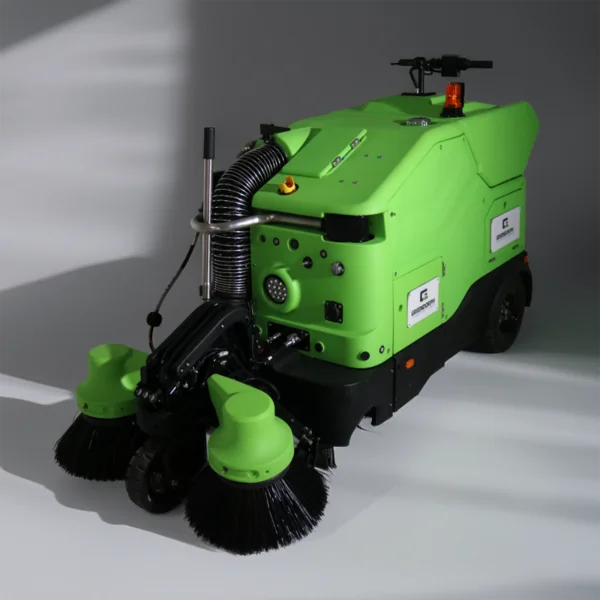
Our experience in developing cleaning equipment focuses on practical needs in different outdoor environments. The Omniclean Urban Street Sweeper YJ80 is designed for urban cleaning tasks where both flexibility and cleaning functions are considered. It provides three operating modes, including manual ride on sweeper machine operation, auto-follow mode, and towed traction.
The YJ80 combines several cleaning processes in one machine. Its vacuum system integrates high-pressure flushing, water-spray cleaning, turbine blowing, targeted tube collection, and dust-suppression misting. These functions allow operators to handle different cleaning conditions with one unit.
The compact structure of this model makes it suitable for sidewalks, pedestrian plazas, parking structures, and mid-sized outdoor areas. Compared with equipment designed only for wide roads, a smaller design can help operators work in places where movement space is limited.
Reviewing Equipment Features Before Purchase
Equipment buyers often need to consider more than the machine category. A reliable street sweeper company should provide information about operation methods, maintenance requirements, and suitable application areas. These details help customers understand whether a machine matches their working conditions.
Electric operation is another factor that may influence equipment selection. The YJ80 provides up to 8 hours of runtime on a single charge, with low-noise operation and zero emissions during use. This design can be useful for cleaning areas where noise control and daily operation schedules are important.
Before purchasing, teams can evaluate route length, cleaning frequency, storage conditions, and operator requirements. These factors provide a clearer reference than comparing machine size alone.
Making a Practical Choice for Different Sites
Small and large sweepers are designed for different working environments. Small models provide easier movement in limited spaces, while larger models can handle broader routes with higher coverage needs. The suitable option depends on how the equipment fits into the daily cleaning process.
At Greendorph, we focus on providing cleaning equipment solutions for different application requirements. Our team works with customers to understand site conditions and equipment needs before selecting suitable configurations.
A thoughtful evaluation of space, cleaning tasks, and operating conditions can help companies choose equipment that works well over time. The right sweeper is not simply the largest or smallest option, but the one that fits the actual environment and workflow.