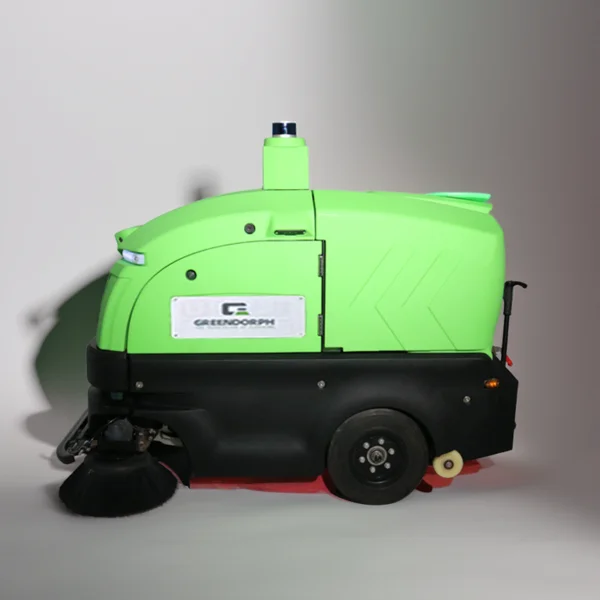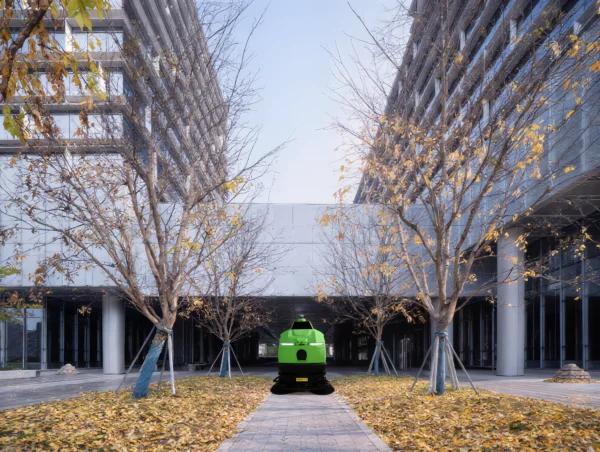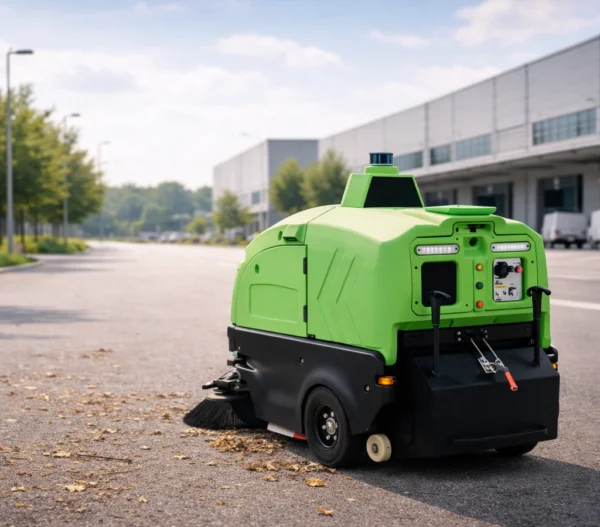
Safety in municipal and commercial cleaning operations is often viewed through the lens of routine training and personal protective equipment. Yet when we examine incident reports across fleet operations, the majority of preventable accidents involving a street cleaning vacuum machine stem from gaps in systemic safety design rather than individual error. Our experience deploying automated cleaning equipment across hundreds of outdoor sites has reinforced a simple principle: safe operation begins long before the operator enters the cab. It is embedded in machine engineering, pre‑operational workflows, and the physical environment where a street vacuum performs its daily tasks.
Pre‑Operational Risk Assessment and Site Controls
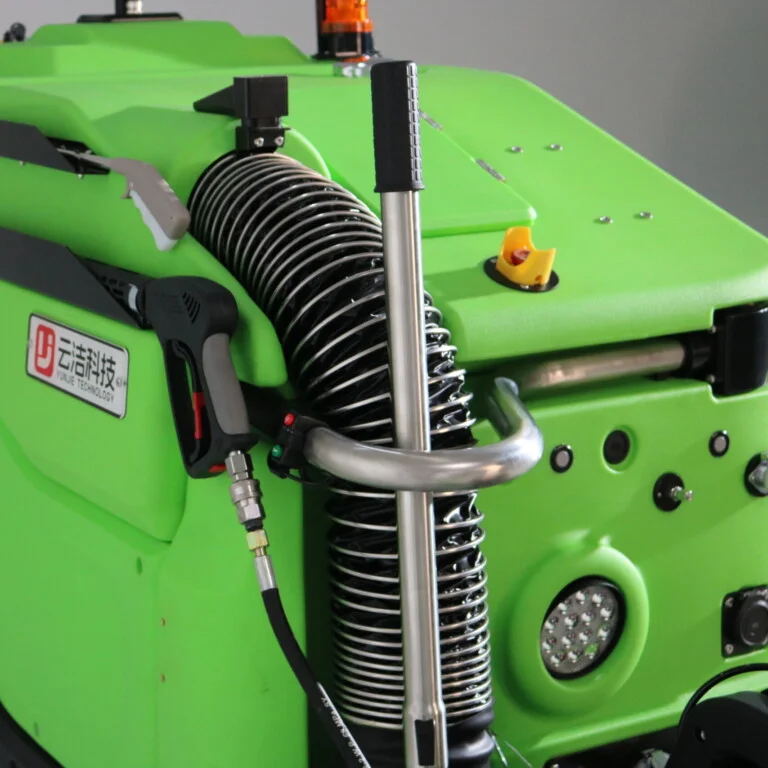
Every safe shift starts with a structured evaluation of the work zone. A street cleaning vacuum machine operates in dynamic environments—parking lots, arterial roads, industrial yards—where pedestrian traffic, temporary obstacles, and uneven surfaces change daily. We at Greendorph require operators to walk the intended route before powering on any street vacuum, identifying overhead clearances, manhole covers, and areas with concentrated debris that may conceal hazards. In our safety protocols, this walk‑through is paired with a digital pre‑start checklist that confirms hopper latches, suction hose connections, and emergency shut‑off switches are functional. Facilities that implement this two‑step verification report 50% fewer on‑site incidents involving street cleaning vacuum machine entanglement or tip‑over risks. The protocol transforms safety from a checklist exercise into an active risk‑mitigation process.
Engineering Safeguards and Operator Interface
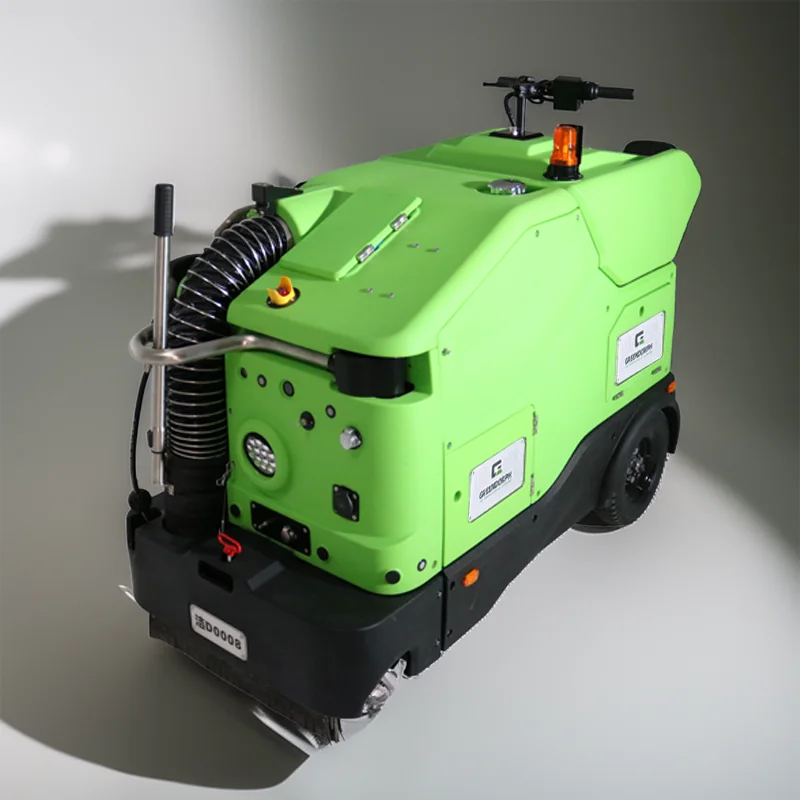
Modern street vacuum platforms incorporate redundant safety systems, but their effectiveness depends on operator familiarity and maintenance integrity. We emphasize three critical engineering controls: visibility systems, emergency stop placement, and automated shutdown logic. A street cleaning vacuum machine typically has blind spots near the suction inlet and rear hopper; we equip units with camera systems and proximity sensors that audibly alert operators when personnel or objects enter hazardous zones. Emergency stop cords are positioned both in the cab and externally, allowing bystanders to halt the street vacuum instantly if needed. Additionally, our machines include interlocks that prevent suction engagement when the hopper is improperly latched or when the machine detects excessive tilt beyond safe operating angles. These engineering layers are validated through daily functional tests, which we log as part of the equipment handover process between shifts.
Maintenance Protocols and Hazardous Material Handling
A significant portion of safety incidents occurs during maintenance, not active sweeping. The street cleaning vacuum machine collects debris that may contain sharp objects, hazardous dust, or biological matter. We enforce lockout/tagout procedures for any work involving the suction system or electrical components. Operators and maintenance staff are trained to treat hopper emptying as a controlled operation: using designated dump stations, wearing puncture‑resistant gloves, and employing dust suppression methods to prevent inhalation of fine particulates. For fleets operating multiple street vacuum units, we implement a color‑coded maintenance schedule that aligns high‑voltage battery inspections with manufacturer‑specified intervals. In our observation, facilities that dedicate specific personnel to maintenance safety oversight—separate from operations crews—reduce maintenance‑related injuries by more than half compared to integrated models.
Safety protocols for a street cleaning vacuum machine are most effective when they treat the equipment, the operator, and the environment as a single integrated system. Pre‑operational planning, engineered safeguards, and disciplined maintenance form three interdependent pillars. By embedding these protocols into daily routines rather than treating safety as an occasional training module, fleet operators can achieve both high cleaning performance and a work environment where preventable incidents become genuinely rare.