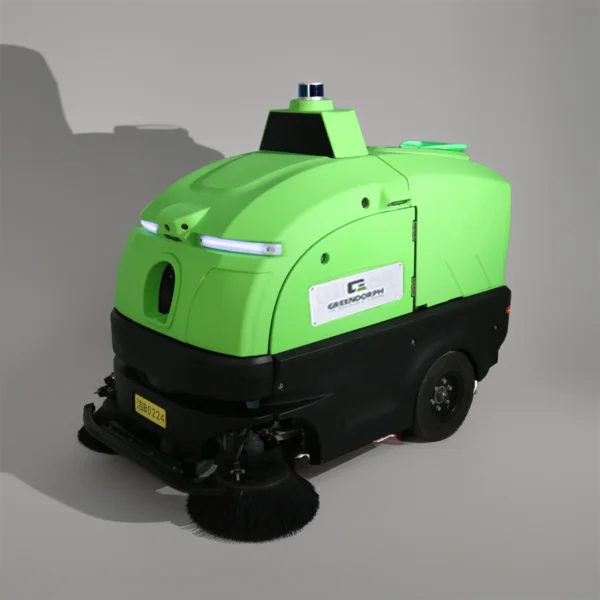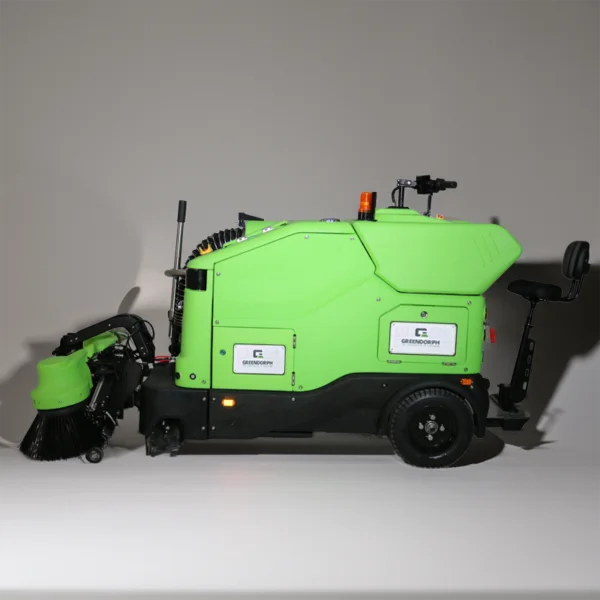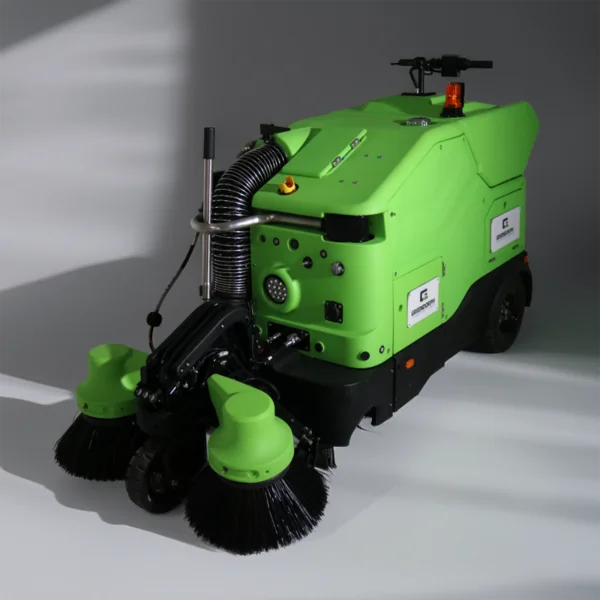
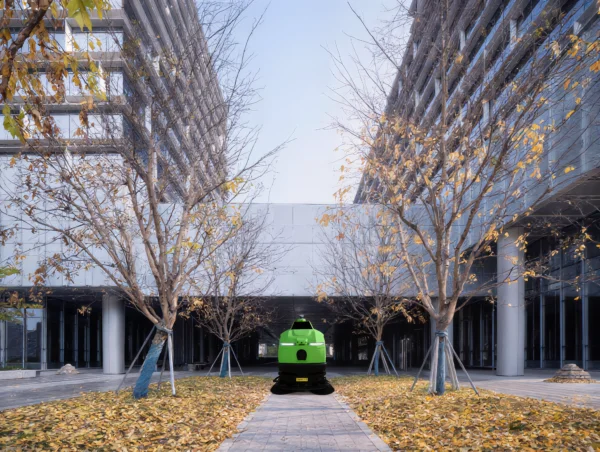
Selecting heavy maintenance equipment for public streets or commercial complexes requires careful evaluation of long-term costs, engineering specifications, and community impacts. Selecting the wrong vehicle dimensions or power architecture leads directly to high maintenance costs and major scheduling conflicts. Decision-makers must look beyond upfront prices and evaluate how these units will perform day-to-day in actual operations.
A standard, traditional street sweeper can vary greatly in its suction power, water recycling capabilities, and steering layout. Navigating these technical details is critical for facility managers, public works directors, and private cleaning contractors alike. Asking the right operational questions beforehand helps your investment deliver maximum cleaning value over its full operational life.
Assessing Power and Environmental Compatibility Across Different Urban Zones
Local environmental policies, carbon emission targets, and noise ordinances are heavily reshaping modern municipal fleet standards. Traditional internal combustion systems can cause major disturbances when operating near residential properties, schools, or healthcare facilities. Buyers need to determine if their chosen equipment can work at any hour of the day or night without receiving noise complaints.
Choosing modern, low-emission electric street sweepers allows public works teams to keep operations quiet and clean. At Greendorph, we design our equipment to run silently and with zero emissions, making them ideal for noise-sensitive suburban zones and busy city centers. Our sustainable design helps municipal departments meet strict green initiatives while keeping neighborhood streets peaceful and quiet.
Evaluating Turning Radiuses and Maneuverability in Tight Architectural Spaces
Urban landscapes are packed with narrow sidewalks, tight parking lanes, pedestrian-only plazas, and restrictive concrete barriers. A large, bulky utility truck struggles to navigate these tight architectural features, often requiring manual crews to follow behind and clean missed spots. Buyers should carefully evaluate how a vehicle handles sharp corners and tight spaces before making a purchase.
A compact design with agile steering can effortlessly navigate tight corners and work safely alongside busy foot traffic. We build our autonomous units with a dual-wheel differential drive to provide superior agility in dense, congested environments. This compact design allows our equipment to sweep right up to walls and effortlessly clear tight alleyways that standard vehicles cannot reach.
Analyzing Battery Life and Total Cleaning Coverage per Shift
An industrial-grade vehicle is only as useful as its continuous running time allows. If a machine requires frequent mid-shift recharges or runs out of battery quickly, your daily cleaning schedules will quickly fall behind. Finding out how long a unit can work continuously under heavy debris loads is a vital step in the buying process.
High-capacity lithium batteries keep the machine running continuously during long shifts across expansive commercial campuses or transport hubs. Our advanced YJ130 autonomous model provides up to 8 hours of deep cleaning on a single charge. This reliable, extended runtime allows your operations to run smoothly and consistently, without the interruption of mid-shift recharging.
Examining Suction Power and Dust Filtration and Control Capabilities
Pavements accumulate a complex mix of debris, ranging from dry autumn leaves and plastic waste to heavy sand and fine dust. A cleaning machine needs to handle these different types of debris easily without releasing dusty clouds back into the air. Buyers should look for multi-stage filtration systems that capture fine dust while maintaining high vacuum suction.
Our advanced sweeping configurations feature a powerful primary vacuum system supported by targeted blowing and dust-suppressing water sprays. This combination helps our equipment trap fine particulate matter without wasting water or releasing dust into the air. At Greendorph, we focus on high-precision cleaning, ensuring that our machines lift fine dirt from pavement crevices with minimal operator effort.
Comparing Long-Term Maintenance Costs and Part Availability Across Models
Traditional mechanical systems feature complex engines, hydraulic pumps, and drive belts that operate under incredibly dusty conditions. This constant exposure to grit leads to worn-out parts, oil leaks, and expensive repair bills over the life of the machine. Buyers must calculate these long-term maintenance costs and confirm how easy it is to source replacement parts.
Electric drivetrains simplify this mechanical footprint by replacing complex hydraulic systems with quiet, highly reliable brushless electric motors. This simplified design removes oil changes, spark plug replacements, and hydraulic hose leaks. Choosing this low-maintenance approach keeps your equipment working on the road, lowering overall downtime and saving on maintenance costs.
Reviewing Autonomous Navigation and Labor Optimization Features
Recruiting and retaining reliable staff for difficult, labor-intensive outdoor cleaning roles remains a major challenge across the sanitation industry. Buyers should explore how modern automation can help streamline daily cleaning tasks and make better use of their current staff. Smart navigation systems can turn routine cleaning paths into highly efficient, hands-free workflows.
Integrating smart autonomous technology allows your team to move away from tedious manual labor and focus on more complex facilities tasks. Our autonomous systems handle navigation, obstacle avoidance, and path planning mainly on their own, ensuring consistent cleaning without constant human supervision. At Greendorph, we are dedicated to building smart tools that make daily cleaning jobs safer, more productive, and highly sustainable.
Conclusion
Investing in modern pavement cleaning technology requires a complete understanding of your facility’s spatial layouts, environmental targets, and labor resources. While traditional diesel sweepers still have their place on high-speed highways, compact electric alternatives offer high efficiency for urban and commercial spaces. Checking critical specifications like battery life, physical agility, and dust filtration allows you choose a machine that delivers long-term reliability. We are proud to provide smart, electric, and quiet cleaning solutions designed to support cleaner, more sustainable urban environments.