Selecting high-performance industrial equipment requires a deep analysis of operational demands, spatial layouts, and hardware integration. Across sprawling production plants, busy transport docks, and vast university campuses, traditional manual cleaning methods struggle to keep pace with daily grit. Fine silica dust, dropped packaging materials, and heavy outdoor debris build up constantly, challenging facility safety and compliance. Implementing modern floor cleaning machines offers facility managers a reliable, automated path to maintain clean grounds.
The commercial cleaning market now presents a diverse array of automated options, varying wildly in navigation intelligence and physical durability. Evaluating these options requires moving past flashy promotional videos and diving directly into raw mechanical specifications. By focusing on critical engineering parameters, property managers can select a technology partner that aligns with their long-term operational targets.
Evaluating Navigation Capabilities and Spatial Mapping Technology
Smart navigation represents a core of any modern autonomous cleaning system. Early-generation robotic cleaners relied on basic bumper sensors and pre-set routes, often getting stuck in complex or changing environments. Today’s commercial landscapes demand advanced LiDAR systems, depth cameras, and real-time mapping algorithms to navigate crowded pathways safely.
These high-tech sensor suites allow a modern autonomous unit to map expansive environments and plan the most efficient cleaning paths. At Greendorph, we focus on building robust navigation systems that adapt dynamically to sudden obstacles, keeping walkways clear. This high-level spatial awareness supports complete surface coverage, preventing the machine from missing tight corners or repeating paths unnecessarily.
Assessing Physical Durability and Structural Materials
Industrial facilities like warehouse docks and factories present tough physical challenges, including heavy forklift traffic and rough concrete joints. A lightweight, plastic-heavy domestic robot will quickly fail when subjected to these demanding, high-impact environments. Buyers should look for heavy-duty steel frames, reinforced bumpers, and dust-sealed mechanical compartments that protect vital electronics.
Investing in a robust, industrial-grade floor machine cleaner protects your capital investment and keeps reliable performance over many years of service. We use impact-resistant composites and structural alloys to build machines that easily withstand accidental daily bumps. This focus on structural strength minimizes physical damage, keeping your equipment active and productive on the floor.
Understanding the Mechanics of High-Precision Debris Recovery
Effective waste collection requires a careful balance between high-powered vacuum suction and durable mechanical sweeping brushes. Lightweight debris like plastic films require broad airflow, while heavy pebbles and wet leaves require direct mechanical lifting. Matching the sweeping speed to the specific type of debris keeps a thorough clean without draining battery reserves.
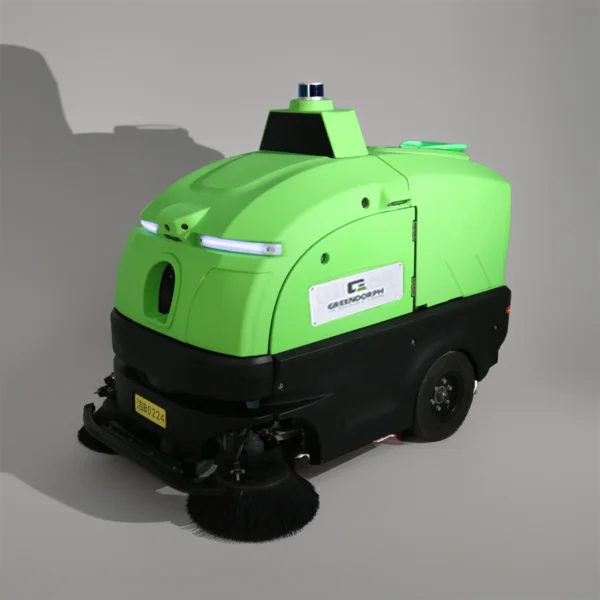
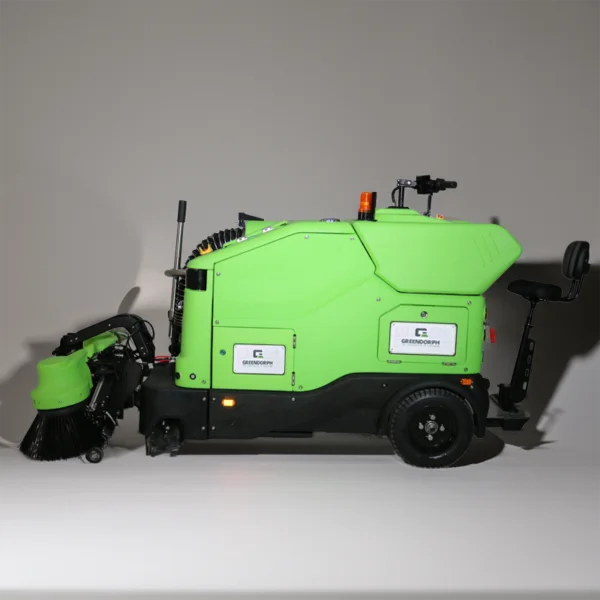
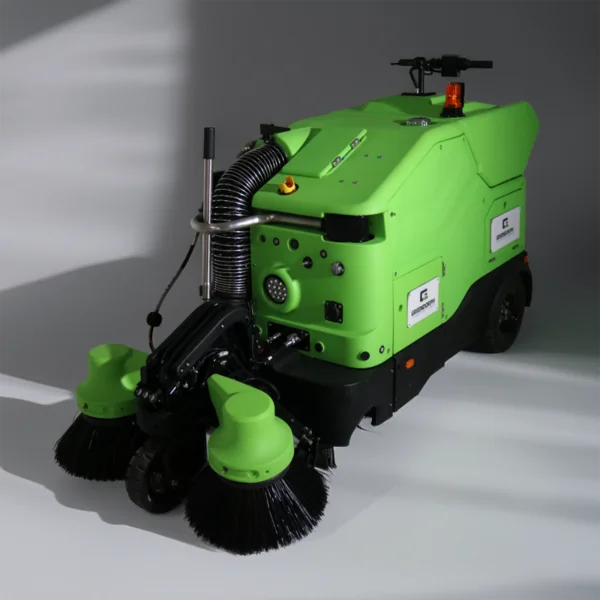
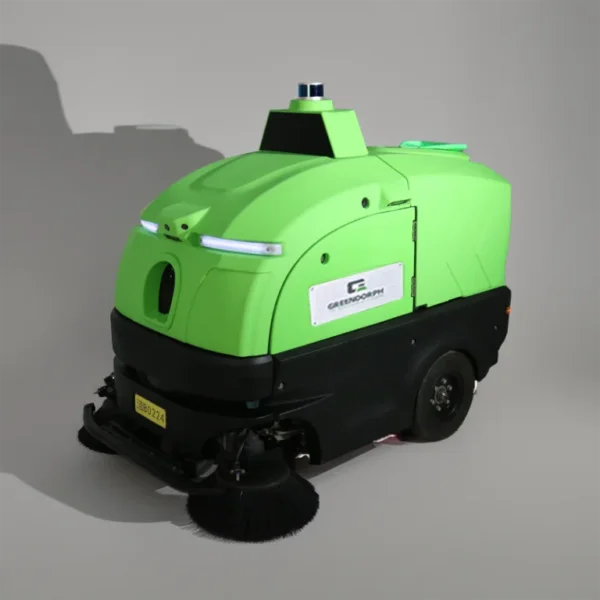
Our specialized Greendorph YJ130 auto sweeper combines high-velocity negative pressure with durable side brushes to capture diverse debris types in one pass. This fully-autonomous cleaning equipment handles challenging environments like public walkways and industrial sites. Our design helps that fine dust is sealed inside the hopper, protecting both floor quality and indoor air.
Analyzing Battery Lifespans and Fleet Operational Efficiency
Large-scale commercial operations cannot afford frequent cleaning interruptions caused by weak battery systems. Standard lead-acid batteries require high maintenance, take hours to charge, and suffer from short lifespans under heavy daily workloads. Switching to high-capacity lithium iron phosphate batteries provides consistent power output and supports rapid opportunity charging.
Our advanced battery configurations allow our autonomous fleets to run for up to 8 hours on a single charge. This extended runtime allows your team to schedule extensive cleaning routes without worrying about mid-shift power loss. At Greendorph, we prioritize high-density energy storage to help your facility maintain consistent, uninterrupted maintenance schedules.
Minimizing Noise Levels in Highly Sensitive Environments
High-decibel cleaning machines can create serious noise disruptions in schools, corporate offices, and peaceful residential neighborhoods. Loud mechanical noise limits your cleaning schedule to specific daytime windows, creating scheduling conflicts and lowering overall productivity. Selecting quiet, electric-powered machinery allows you to run cleaning operations smoothly at any hour of the day or night.
A low-noise floor machine cleaner operates quietly in the background, keeping public walkways pristine without disturbing nearby pedestrians. We focus on optimizing our internal vacuum fans and adding acoustic insulation to keep motor noise remarkably quiet. This quiet performance allows facility managers to clean sensitive areas early in the morning without receiving noise complaints.
Comparing Water Conservation and Dust Suppression Systems
Sweeping dry asphalt or dusty concrete can quickly kick up massive clouds of fine particulate matter, creating health hazards. Advanced dust control requires a multi-stage suppression system that uses fine water mist to settle the dust before sweeping. Buyers should evaluate how efficiently a machine manages its water resources to avoid frequent refill stops during long shifts.
Our advanced sweeping systems use smart, low-flow water sprays to control dust while using very little water. At Greendorph, we design our autonomous fleets to minimize fluid consumption, helping our B2B partners meet their local sustainability targets. This sustainable approach keeps your facility clean and dust-free while protecting local water resources.
Streamlining Mechanical Maintenance to Prevent Costly Downtime
Traditional combustion-engine sweeping trucks feature highly complex hydraulic systems and drive belts that require frequent, specialized maintenance. Dusty operating conditions accelerate wear on these components, leading to fluid leaks, sudden breakdowns, and expensive repair bills. Transitioning to simple, direct-drive electric motors resolves these frustrating mechanical headaches.
Brushless electric motors help reduce the quantity of moving components fitted within Greendorph’s automated floor cleaning equipment. Designs built around this technology cut down routine service tasks such as engine oil top-ups, spark plug servicing and failures linked to high-pressure hydraulic piping. A streamlined mechanical layout supports steady equipment performance, helping operators extend machine uptime and contain ongoing maintenance expenditure.
Conclusion
Selecting the right autonomous sweeping technology requires a thorough review of navigation intelligence, battery life, and physical durability. While standard manual cleaning struggles to keep pace with large facilities, compact electric sweepers offer the precise agility and heavy-duty suction required. Upgrading to smart, low-noise machinery keeps your walkways safe, improves air quality, and lowers daily operating costs. At Greendorph, we are dedicated to building smart, reliable cleaning solutions that help your facility run safely, sustainably, and efficiently.