Operating a busy commercial property requires balancing daily logistics with strict health, safety, and presentation standards. High foot traffic, heavy equipment movement, and seasonal weather patterns constantly deposit stubborn dirt, dust, and oily residues onto floor surfaces. Over time, this buildup acts like an abrasive sandpaper, wearing down protective surface seals and causing early physical damage to expensive flooring. Employing advanced floor cleaning machines offers facility managers a highly efficient and systematic way to protect their structural assets.
Relying on manual labor with traditional mops and brooms is no longer practical for keeping up with sprawling modern layouts. Large shopping centers, transportation terminals, and corporate offices need deep, consistent sanitation that manual cleaning simply cannot deliver. By studying the mechanics of dust control, energy efficiency, and modern drive systems, property managers can design highly effective maintenance plans. Making the right technology choices protects your building assets while ensuring a safe, healthy environment for everyone inside.
Protecting High-Traffic Flooring from Early Surface Wear
Heavy foot traffic in active commercial zones constantly tracks in abrasive soil, sand, and fine stone particles. As visitors and light utility vehicles roll over these loose particles, they grind them directly into the floor. This grinding action creates micro-scratches that dull polished concrete, wear down vinyl tiles, and ruin expensive stone finishes.
Consistent, thorough sweeping is essential for removing these harsh abrasives before they can cause permanent structural damage. Partnering with a reliable floor cleaning machine supplier to secure your maintenance teams have access to the right tools for the job. Using the correct brush pressures and high-suction vacuums keeps floors looking professional while extending the lifespan of your surfaces.
Understanding the Importance of Advanced Airborne Dust Suppression
Traditional sweepers and manual brooms often stir up fine dust, sending microscopic particles floating into the facility’s breathing zone. This airborne dust settles on store shelves, clogs heating and cooling systems, and triggers allergies for building occupants. Modern dust suppression uses fine water misters and high-performance filters to trap dust before it can escape into the air.
Our engineering focus is on optimizing high-velocity vacuum channels to capture a wide range of fine particulate matter. At Greendorph, we design our clean-air filtration systems to trap fine dust securely within the machine’s debris hopper. This careful environmental design keeps your indoor air clean and healthy, creating a much better environment for your staff and visitors.
Evaluating Battery Technologies and Cleaning Shift Endurance
Maintaining a vast facility requires consistent, reliable power to support cleaning tasks are completed without constant interruptions. Standard lead-acid batteries are heavy, require regular water top-offs, and need dedicated, well-ventilated rooms for safe recharging. Switching to high-density lithium-ion battery packs reduces these maintenance chores while providing steady power output during the full shift.
Lithium-based power packs support opportunity charging, letting operators top up power during routine work breaks. This power flexibility offers greater freedom when drafting daily cleaning timetables. Our electric drivetrains are engineered with energy efficiency in mind, extending the surface area crews are able to cover between charging sessions.
Improving Turning Geometries in Congested Architectural Layouts
Modern commercial spaces feature tight corridors, decorative display kiosks, and narrow pathways that are difficult for large machines to navigate. Bulky, traditional utility sweepers risk striking walls or scratching expensive retail fixtures, causing costly property damage. Choosing compact machines with tight turning radiuses is essential for navigating these crowded areas safely and efficiently.
Using a dual-wheel differential drive allows compact cleaning machines to turn on a dime and clean tight corners easily. At Greendorph, we design our compact physical frames to sweep close to walls and easily maneuver around unexpected obstacles. This precise spatial design allows your hard-to-reach areas receive the exact same deep clean as wide-open pathways.
Addressing Labor Shortages with Advanced Autonomous Technology
The commercial cleaning industry continues to face high staff turnover and persistent labor shortages for demanding outdoor roles. Repetitive manual sweeping is physically exhausting and exposes personnel to harsh weather conditions and traffic hazards. Integrating smart autonomous cleaning hardware helps bridge this labor gap, turning routine floor care into a highly efficient workflow.
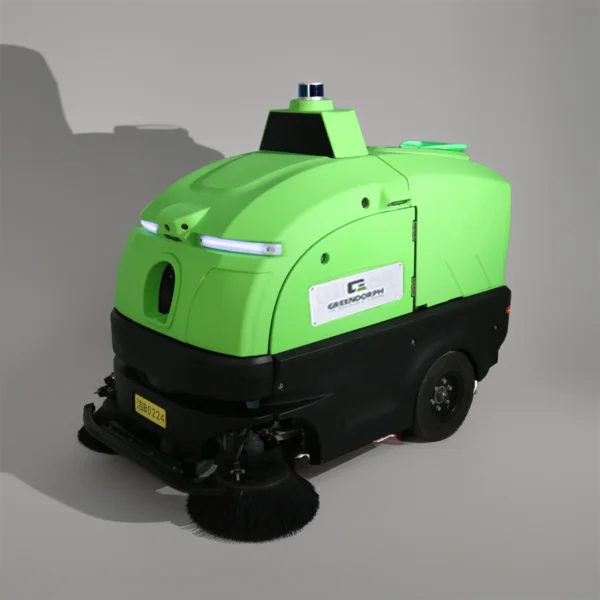
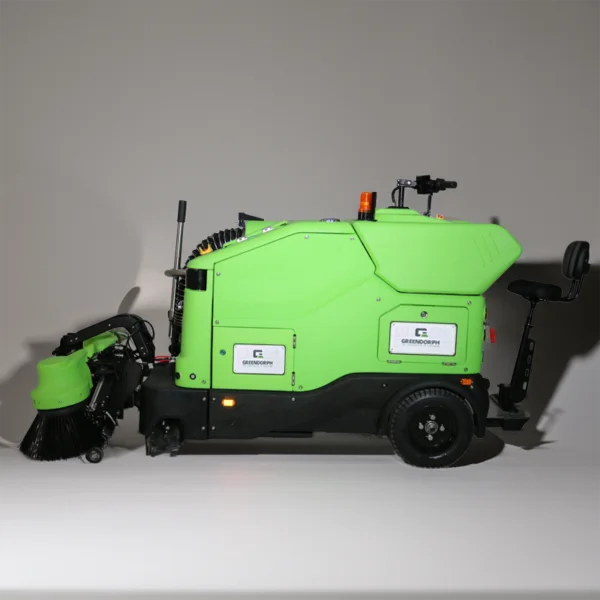
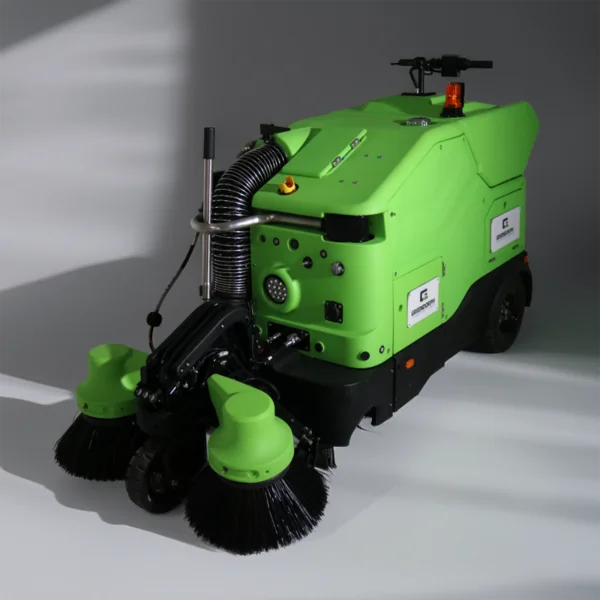
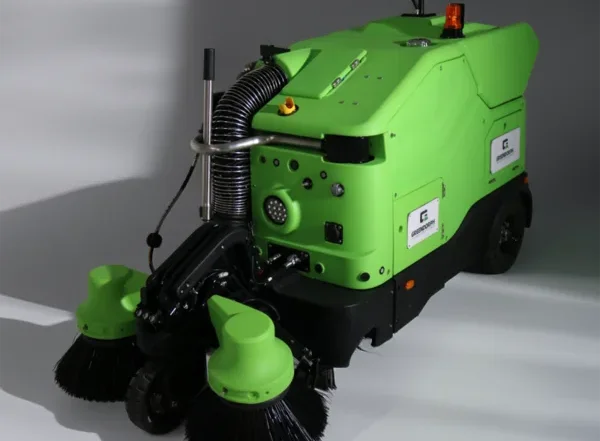
Autonomous navigation allows these smart machines to follow precise, pre-planned cleaning paths with incredible consistency. Our advanced Greendorph YJ130 auto sweeper operates with full autonomy, handling demanding cleaning tasks across public walkways and industrial sites. This technology lets your staff move away from tiring manual sweeping and focus on highly skilled maintenance duties.
Reducing Mechanical Complexity to Save on Maintenance Costs
Traditional internal combustion sweepers are built with complex hydraulic systems, belts, and fluid lines that operate in dusty conditions. This constant exposure to grit wears out parts quickly, leading to fluid leaks, sudden breakdowns, and expensive repairs. Transitioning to simple, direct-drive electric motors reduces the number of moving parts and lowers your long-term maintenance costs.
Our advanced floor cleaning machines utilize highly reliable, brushless electric motors to simplify the mechanical drive system. This smart design reduces traditional engine oil changes, spark plug replacements, and high-pressure hydraulic line repairs. Keeping the mechanical layout simple keeps your equipment working on the road, reducing downtime and saving on annual repair budgets.
Supporting Local Sustainability with Eco-Friendly Design
Modern business operations are increasingly focused on reducing water consumption, chemical use, and carbon emissions. High-flow cleaning systems often waste thousands of gallons of water and release harsh chemicals into local storm drains. Upgrading to highly efficient electric sweepers helps facilities meet their green targets while maintaining pristine, clean properties.
Our clean design uses precise water-spray dust control to keep roadways clean while using a fraction of the water. At Greendorph, we are deeply committed to designing electric-first cleaning solutions that protect our local ecosystems. This sustainable design minimizes chemical use and reduces tailpipe emissions, helping your facility maintain a clean, green footprint.
Conclusion
Upgrading to modern, electric-powered floor cleaning equipment is a vital step toward building safer, cleaner, and more sustainable facilities. Transitioning away from bulky, high-maintenance diesel machinery helps properties lower fuel expenses, eliminate exhaust emissions, and reduce noise. Choosing compact, highly agile electric units keeps your pathways safe and clean while protecting your delicate pavement assets. We are proud to work alongside dedicated facility managers, providing the smart, quiet, and reliable cleaning tools needed to keep commercial spaces looking their best.