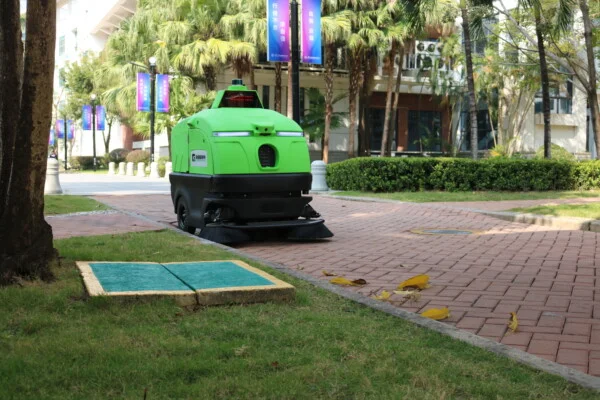
Modern commercial facility management requires balancing operational efficiency, rigorous safety standards, and long-term asset protection. Large-scale industrial campuses, educational facilities, and corporate plazas face continuous soil accumulation, windblown trash, and fine dust particles that can compromise underfoot safety. Managing these vast surfaces with manual labor often leads to inconsistent results and high staffing costs. Deploying an advanced robot floor cleaner provides a systematic approach to maintaining consistent cleanliness while optimizing labor allocation.
The transition toward automated facility maintenance involves looking past basic marketing claims to analyze core physical and software capabilities. Real-world commercial spaces feature complex geometries, moving pedestrians, and varying floor textures that require high-performance navigation and structural durability. By understanding key evaluation criteria—such as safety certifications, battery runtimes, and filtration mechanics—procurement teams can secure reliable investments. Proper technology selection enables smooth integration with your current maintenance workflows.
Verifying International Safety Certifications and Operational Compliance
Deploying automated machinery alongside employees, visitors, or students requires strict compliance with international safety and quality standards. Uncertified equipment poses potential electrical and mechanical risks that can lead to operational liabilities or insurance complications. Facility managers must prioritize hardware that has undergone rigorous third-party testing to guarantee safe operation in crowded public zones.
Seeking officially acknowledged industry certifications helps verify the equipment complies with stringent mechanical and electromagnetic specification standards. At Greendorph, we design our systems to meet rigorous safety benchmarks, ensuring they hold CE and RCM certifications. This international recognition gives facility managers peace of mind, knowing our machines operate safely in both indoor and outdoor environments.
Analyzing Spatial Mapping and Intelligent Obstacle Avoidance
A successful autonomous sweeping operation relies directly on the machine’s ability to perceive and adapt to its physical surroundings. Busy transit terminals or school walkways present an unpredictable mix of stationary infrastructure and moving pedestrians. Early-stage automated cleaners often struggled in these dynamic settings, frequently halting or colliding with temporary displays and visitors.
Integrating advanced LiDAR sensors, high-definition cameras, and smart navigation software allows modern robotic floor cleaners to navigate safely. Our design team focuses on developing algorithms that recalculate paths in real time when unexpected obstacles block the sweep route. This precise navigation keeps the machine moving smoothly, ensuring every corner is cleaned without human intervention.
Evaluating Structural Build Quality and Component Durability
Industrial warehouses and outdoor public walkways present harsh operational conditions, including rough pavement joints, heavy debris, and potential collisions. Lightweight plastic chassis designs quickly suffer structural failures when subjected to these daily physical impacts. Buyers must look for reinforced steel framing and impact-resistant materials that protect sensitive internal electronics and vacuum systems.
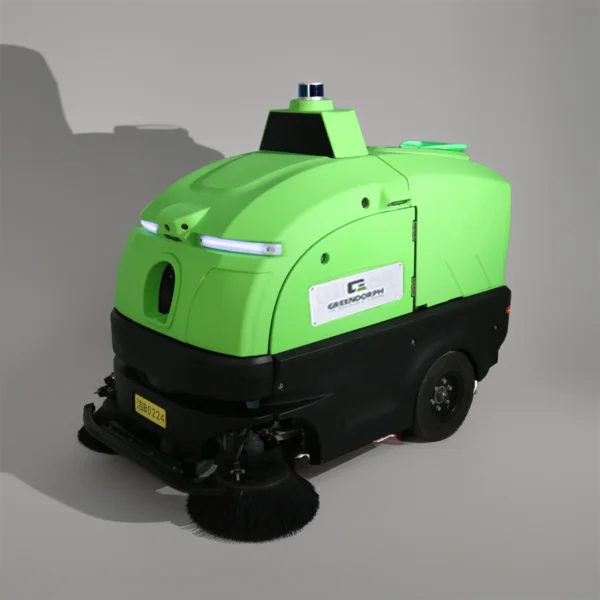
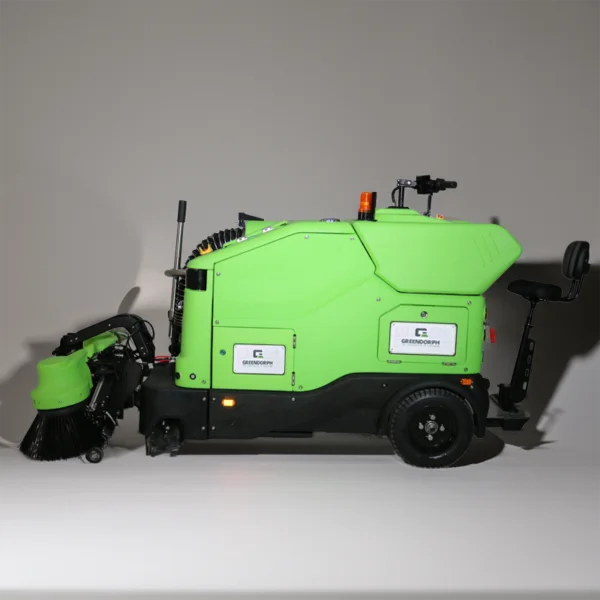
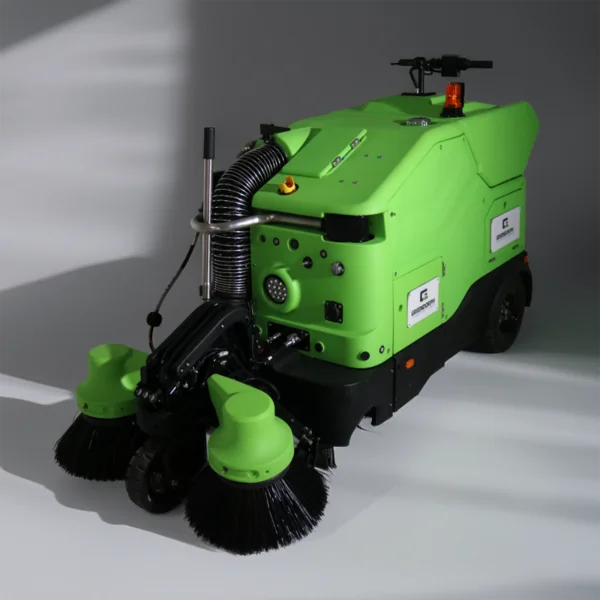
Our specialized Greendorph YJ130 autonomous model features a highly robust frame designed to withstand demanding commercial and industrial environments. This fully-autonomous cleaner combines durable mechanical sweepers with reliable dust-sealed electrical housings. This rugged engineering delivers long-term operational durability, keeping the machine running day after day without mechanical failures.
Assessing Battery Endurance and Power Allocation Profiles
Maintaining extensive commercial properties demands steady, uninterrupted power to enable cleaning routes are completed during single shifts. Traditional lead-acid batteries require high maintenance, take hours to charge, and degrade quickly under heavy workloads. Transitioning to advanced lithium iron phosphate batteries provides continuous energy output and supports rapid opportunity charging during scheduled operator breaks.
Our high-capacity battery configurations allow our automated fleets to run for up to 8 hours on a single charge. This extended runtime reduces the need for mid-shift recharging, keeping your cleaning program on schedule. At Greendorph, we optimize the power draw of our electric motors to maximize cleaning coverage, ensuring exceptional energy efficiency.
Understanding the Physics of High-Efficiency Dust Suppression
Sweeping dry walkways or concrete floors can easily kick up clouds of fine particulate matter, creating inhalation hazards for nearby pedestrians. Advanced dust control relies on a multi-stage suppression system that uses fine water mist to settle the dust before sweeping. Buyers should evaluate how efficiently a machine manages its water resources to avoid frequent refill stops during long shifts.
Our advanced sweeping systems use smart, low-flow water sprays to control dust while using very little water. At Greendorph, we design our autonomous fleets to minimize fluid consumption, helping our B2B partners meet their local sustainability targets. This sustainable approach keeps your facility clean and dust-free while protecting local water resources.
Simplifying Mechanical Maintenance to Minimize Downtime
Traditional combustion-engine sweeping trucks feature highly complex hydraulic systems and drive belts that require frequent, specialized maintenance. Dusty operating conditions accelerate wear on these components, leading to fluid leaks, sudden breakdowns, and expensive repair bills. Transitioning to simple, direct-drive electric motors resolves these frustrating mechanical headaches.
Traditional gas-powered cleaning equipment relies on dozens of wearable mechanical parts that raise ongoing service demands. By adopting brushless motor technology, our robotic floor cleaners feature optimized electric structures that avoid the common maintenance burdens of conventional sweepers. With fewer consumable components and no need for fuel-based upkeep, these automated units adapt well to long-term commercial operation, easing daily maintenance pressure and lowering cumulative facility upkeep expenses.
Integrating Autonomous Fleets into Daily Workflows
Moving away from manual cleaning routines helps commercial properties maintain consistent sanitation schedules, even during severe labor shortages. Our advanced autonomous utility systems handle navigation, self-charging, and automated dumping effectively on their own. This smart integration allows your valuable human staff to focus on complex, high-priority maintenance tasks.
Our development team has deployed more than 300 autonomous units worldwide, proving the value of smart automation. Partnering with a dedicated robot floor cleaner manufacturer allows facility managers to design highly efficient, hands-free workflows. Embracing these advanced systems delivers consistent, high-quality cleaning outcomes that keep your public spaces looking pristine.
Conclusion
Transitioning to automated property maintenance is a strategic step toward building safer, cleaner, and more cost-effective facilities. Choosing certified electric equipment equipped with intelligent navigation systems helps managers overcome persistent labor shortages and reduce emissions. These quiet, robust machines protect delicate pathways while delivering deep cleaning performance across both indoor and outdoor areas. We are proud to provide these reliable electric solutions, helping your maintenance team achieve sustainable and highly efficient results.