Operating a busy logistics hub or manufacturing plant requires a continuous focus on underfoot safety and environmental compliance. Fine sawdust, cardboard fibers, packaging bands, and tire soot settle onto concrete surfaces constantly, creating hidden slip hazards for heavy forklift traffic. Allowing this loose material to remain untreated slowly wears down protective concrete sealants and impacts the health of your logistics team. Utilizing a specialized warehouse sweeper offers facility managers a reliable, systematic method for keeping these high-traffic pathways safe and clean.
Every industrial facility features a unique layout, ranging from narrow high-bay storage corridors to expansive shipping docks. Traditional manual broom cleaning is highly impractical for handling thousands of square meters of space on a daily basis. By analyzing mechanical turning geometries, fine dust filtration, and battery runtimes, procurement teams can design highly cost-effective maintenance programs. Selecting equipment that matches your specific site parameters protects your long-term capital investments while improving daily operations.
Mitigating Slick Surfaces and Forklift Skidding in Active Loading Bays
Polished concrete and sealed industrial flooring are designed to withstand heavy wheel loads, but they lose friction quickly when covered in fine dust. Small plastic pellets, dry dirt, and loose pallet splinters can cause heavy forklifts to slide or lose control during sharp turns. Regular debris removal keeps these high-risk transit zones safe, preventing costly workplace accidents and inventory damage.
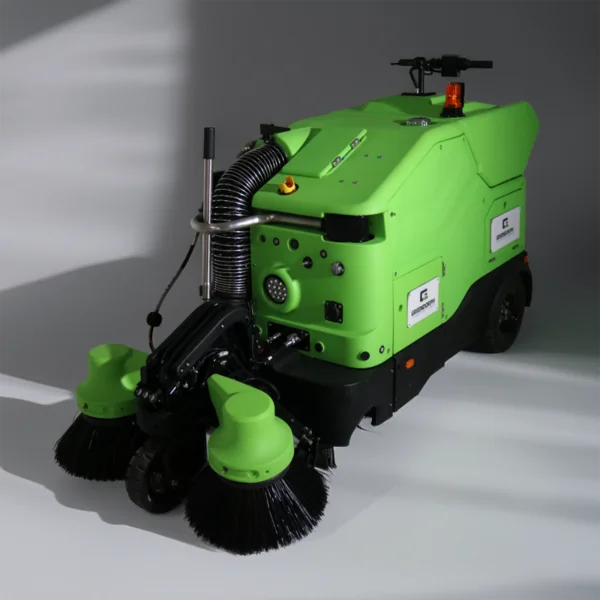
Heavy-duty sweeping brushes must match your floor’s texture perfectly to lift packed dirt without scratching your protective concrete seals. At Greendorph, we focus on selecting highly durable brush materials that adapt seamlessly to uneven floor joints. This specialized mechanical design keeps active driving aisles consistently clean to guarantee uninterrupted daily transportation operations.
Navigating High-Bay Storage Corridors with Compact Steering Profiles
Narrow-aisle layouts allow modern fulfillment hubs to maximize vertical storage, but they leave very little room for large maintenance vehicles. A bulky ride-on utility truck risks striking steel racking supports, creating serious structural safety hazards and disrupting inventory workflows. Choosing compact walk-behind equipment is essential for navigating these tight spaces safely and efficiently without stopping daily business.
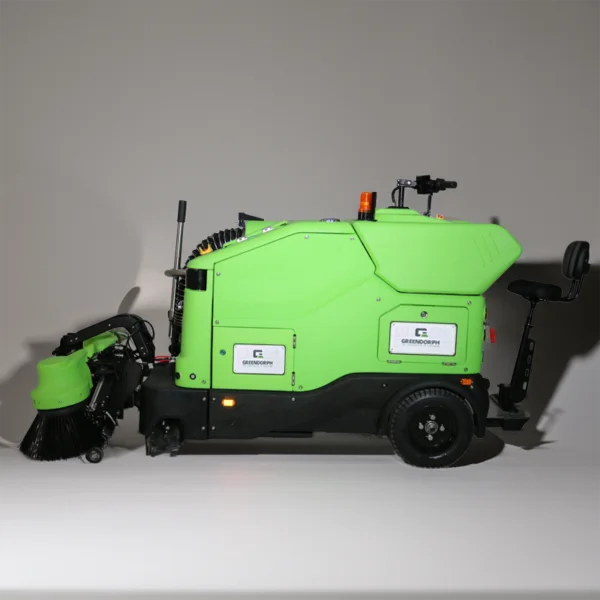
Our versatile walk-behind floor sweeper for warehouse settings features a highly compact physical profile that easily enters tight storage lanes. For instance, our specialized Greendorph YJ130 model is designed to navigate narrow aisles, public walkways, and busy industrial paths with ease. This agile design enables that hidden corners and hard-to-reach racking edges receive a thorough clean without risking property damage.
Trapping Microscopic Particulates with Multi-Stage Air Filtration
Industrial sweeping often stirs up fine concrete dust, sending dangerous microscopic silica particles floating into your team’s breathing zone. High-efficiency dust control requires a balanced system that combines high-powered vacuum suction with advanced fabric filtration membranes. This dual-action design traps fine dust securely inside the machine hopper instead of exhausting it back into the warehouse.
Using durable, cleanable filter membranes preserves steady suction performance of the vacuum system throughout lengthy intensive working shifts. We build robust mechanical shaking systems into our equipment to keep the filters clear of dust buildup during active cleaning. This focus on clear airflow pathways protects your indoor air quality, making the workplace healthier for everyone.
Comparing Battery Chemistries and Operational Run Times
Keeping up with busy warehouse operations demands steady, uninterrupted cleaning power to maintain all areas are swept thoroughly. Traditional lead-acid batteries require high maintenance, take hours to charge, and degrade quickly under heavy daily workloads. Switching to advanced lithium-ion battery configurations provides continuous power output and supports rapid opportunity charging during scheduled lunch breaks.
Modern lithium-ion batteries support fast opportunity charging, allowing operators to plug in the machine during scheduled operator breaks. This flexible power capability supports on-schedule commercial cleaning with very few operational disruptions. We build our electric drivetrains to use battery power highly efficiently, helping teams cover maximum area on a single charge.
Optimizing Hopper Capacities and Low-Effort Disposal Systems
The physical volume of a machine’s collection hopper dictates exactly how long it can work before needing to empty. Small hoppers force operators to make frequent trips to central waste dumpsters, wasting valuable maintenance hours on transit. Balancing overall machine size with an optimized hopper volume boosts high productivity across expansive industrial floor plans.
Smart ergonomic designs feature high-dump waste mechanisms that elevate the hopper to discharge debris directly into large commercial dumpsters. At Greendorph, we prioritize automated dumping systems that minimize manual lifting and reduce operator exposure to airborne waste dust. This specialized handling approach keeps daily waste disposal swift, clean, and effectivey seamless for facility staff.
Minimizing Mechanical Complexity to Save on Maintenance Costs
Traditional internal combustion sweeping trucks feature complex hydraulic lines, belts, and fluid reservoirs that require frequent, specialized maintenance. Dusty operating conditions accelerate wear on these moving parts, leading to hydraulic leaks, sudden breakdowns, and expensive repair bills. Transitioning to direct-drive electric systems simplifies the mechanical footprint and prevents these frustrating maintenance issues.
Warehouse cleaning equipment operates in gritty, dust-laden environments that rapidly wear down conventional mechanical components. Our warehouse sweepers adopt premium brushless electric drive systems, removing the need for fuel-powered engine assemblies and complex hydraulic structures found in traditional sweepers. With fewer wearable moving components and no consumable parts such as spark plugs or engine oil, the equipment delivers exceptional stability in high-dust industrial scenarios. This streamlined mechanical construction reduces frequent routine upkeep, minimizes unexpected downtime, and effectively cuts ongoing operational and repair expenses for warehouse maintenance teams.
Resolving Labor Shortages Through Automated Utility Equipment
Finding and training reliable personnel for demanding, repetitive facility maintenance roles remains a major operational hurdle for logistics providers. Introducing smart autonomous technology changes how teams manage these tasks, turning routine floor cleaning into a hands-free workflow. This shift allows valuable team members to focus on complex inventory management and shipping logistics instead.
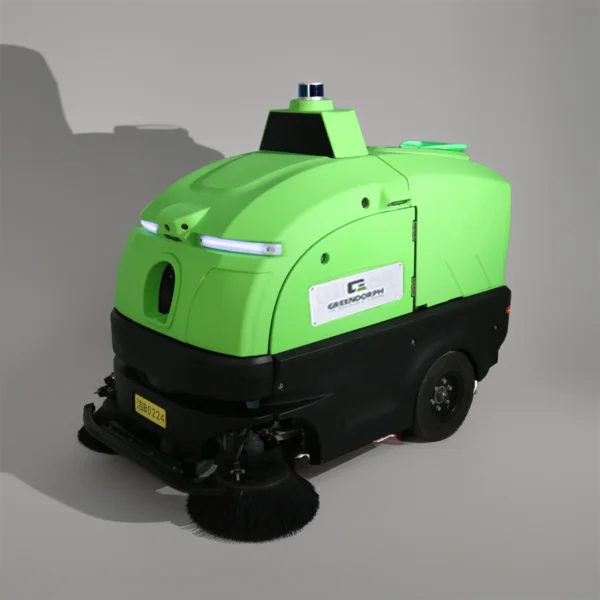
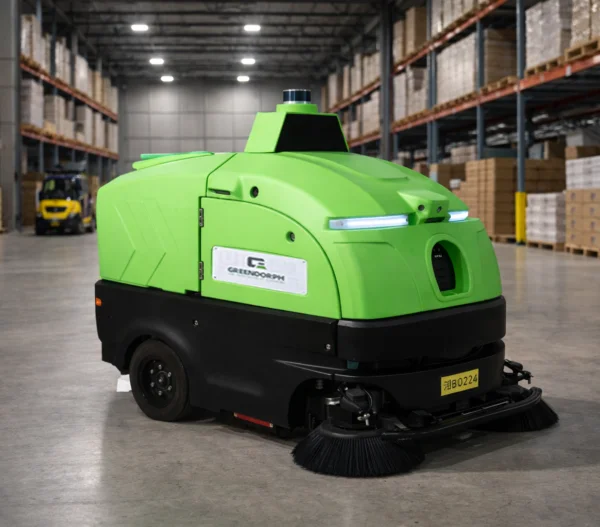
Modern warehouse environments feature dynamic workflows, frequent pedestrian movement, and variable on-site obstacles that disrupt fixed cleaning routines. Our intelligent autonomous sweeping units leverage adaptive navigation technology to adjust operating paths in real time and bypass on-site barriers independently. Capable of self-managing full-cycle cleaning tasks without continuous manual oversight, these automated systems standardize daily floor sanitation results. By taking over repetitive sweeping work, the equipment frees up on-site staff to focus on core logistics and inventory management tasks, optimizing overall workforce utilization for distribution facilities.
Conclusion
Successfully maintaining a modern distribution center requires selecting highly agile, electric, and robust cleaning equipment. While manual sweeping fails to keep up with large environments, a specialized floor sweeper for warehouse use provides consistent, deep cleaning. Transitioning to quiet, low-carbon electric cleaning technology preserves indoor air quality while easing long-term facility maintenance expenditures. At Greendorph, we are dedicated to building the reliable electric solutions needed to keep your logistics operations safe, clean, and highly productive.