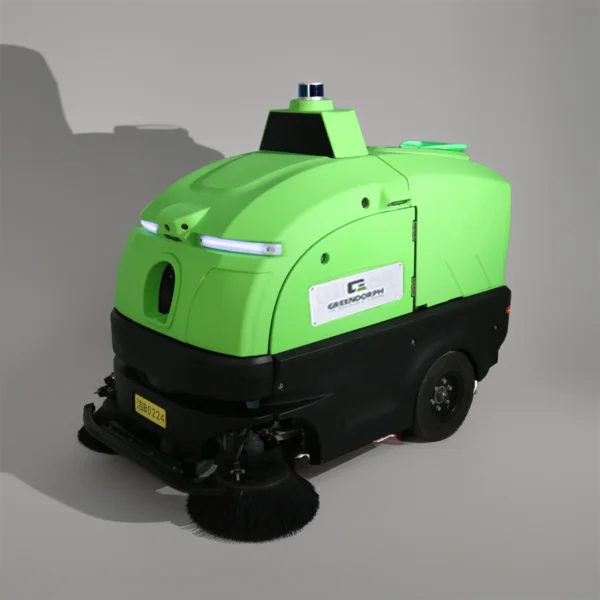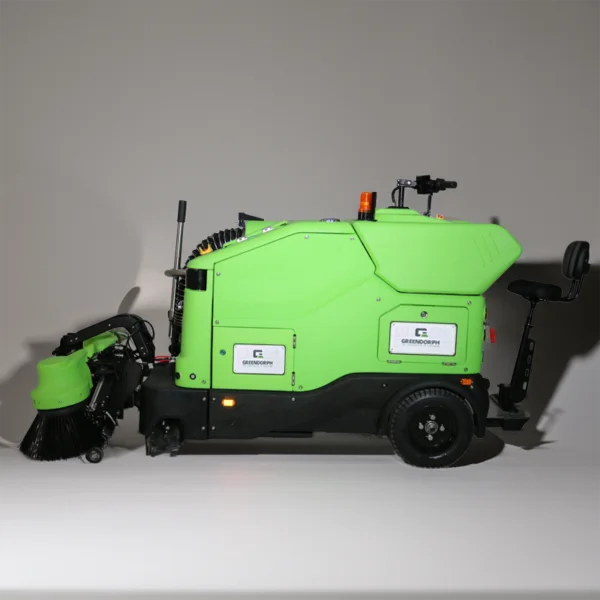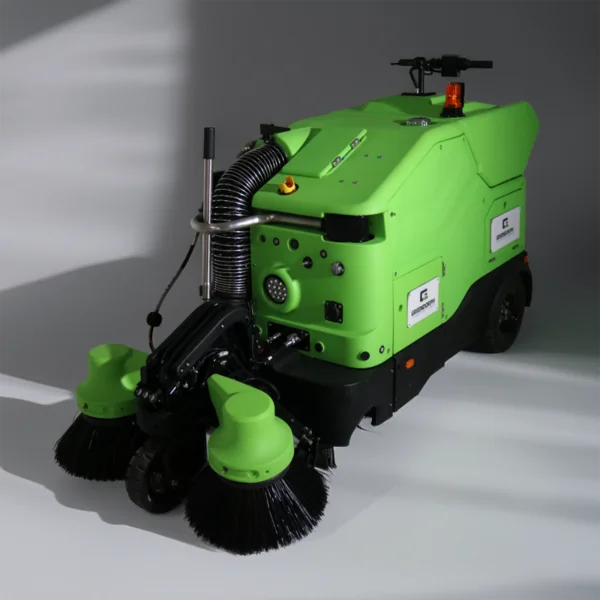
Managing large parking zones for shopping centers, office parks, and municipal complexes requires balancing physical surface durability with public safety. High daily traffic volumes continuously deposit fine silica dust, leaf debris, packaging waste, and abrasive gravel across the tarmac. Left unmanaged, these materials act as an abrasive grit under heavy vehicle tires, slowly grinding down asphalt sealants and accelerating structural cracking. Implementing a rigorous routine for parking lot cleaning serves as the primary defense against premature pavement degradation and customer slip hazards.
Every commercial facility features unique layout restrictions, such as low concrete ceilings in multi-level garages or open-air layouts vulnerable to windblown waste. Relying purely on manual sweeping crews is highly inefficient and expensive when covering tens of thousands of square meters. Property managers must evaluate specific machinery parameters, including dust suppression systems, spatial turning dynamics, and long-term drivetrain maintenance needs. Making a careful equipment choice sustains high sanitation consistency while protecting the properties’ operational budget.
Mitigating Environmental Pollutants and Heavy Particle Accumulation
Vehicles entering commercial structures continuously leave behind chemical residues, including engine oil, fine metallic brake dust, and tire rubber particles. During rainstorms, these hazardous compounds wash off the pavement and enter local stormwater systems, presenting serious environmental compliance challenges. Removing these fine chemical contaminants before they wash away is crucial for meeting modern eco-friendly municipal standards.
Using heavy-duty brushes allows operators to lift stubborn, ground-in dirt from the asphalt pores without destroying the underlying surface seals. At Greendorph, we design our sweeping mechanisms to pick up diverse waste items, from heavy loose gravel to fine windblown sand. This precise cleaning capability keeps high-traffic parking bays remain clear, safe, and welcoming for visitors all day long.
Navigating Multi-Level Structures with Compact Steering Geometries
Enclosed concrete parking structures present tight spatial limitations, including low overhead clearances, thick concrete support columns, and narrow turning ramps. Operating a standard full-sized commercial dump truck in these tight environments poses high collision risks and disrupts regular traffic flow. Facility managers should look for low-profile machinery engineered to maneuver easily through tight architectural bottlenecks.
Our compact electric chassis models feature highly responsive steering layouts designed specifically to handle tight driving lanes and corners safely. For instance, our specialized Greendorph Omniclean YJ80 model is built to clean complex indoor and outdoor environments with minimal operator strain. This agile design allows the machine to clean right up to the edge of concrete barriers and access tight parking spots that traditional utility trucks miss.
Understanding the Fluid Dynamics of High-Suction Dust Suppression
Dry mechanical sweeping across concrete parking floors can easily stir up thick dust clouds, creating uncomfortable breathing hazards for visitors. High-performance dust management relies on matching deep vacuum suction with integrated fine water misters to bind small particles before sweeping. This process traps fine concrete dust securely inside the collection hopper instead of venting it back into the facility.
Using high-efficiency fabric filters contain microscopic particles remain sealed within the machine during long, demanding shifts. We build robust mechanical filtration setups into our units to keep the airflow clear of fine dust buildup. This technical focus on maintaining high air quality makes mechanical sweepers perfectly suited for enclosed public garages.
Evaluating Battery Configurations and Shift Operational Lifespans
Keeping up with vast commercial properties demands steady, reliable utility power to sustain extensive driving routes are completed without interruption. Traditional lead-acid batteries require high maintenance, take hours to charge, and suffer from short operational lifespans under heavy daily workloads. Upgrading to high-density lithium iron phosphate batteries reduces these maintenance hassles while providing exceptional fleet readiness.
Modern lithium-ion batteries support rapid opportunity charging during scheduled operator breaks, keeping your equipment active and productive. For example, our advanced Greendorph YJ130 auto sweeper provides up to 8 hours of deep cleaning on a single charge. This extended runtime allows your team to complete expansive facility loops with minimal risk of mid-shift power drains.
Sourcing Direct Manufacturer Value for Long-Term Procurement
Industrial facility managers must calculate total lifetime costs, including replacement parts, service access, and initial equipment procurement expenses. Purchasing specialized utility assets through multi-layered distributor channels often inflates equipment costs and delays essential parts delivery during breakdowns. Sourcing mechanical assets directly from the development team provides transparent pricing and reliable service access.
We operate as a direct factory team, ensuring that our commercial parking lot sweepers are sold directly, providing better value and reliable performance for commercial parking lot cleaning. This direct relationship simplifies the logistics of sourcing replacement brushes, filters, and electronics throughout the equipment’s lifespan. Reducing middleman markups helps properties upgrade their utility fleets while keeping overall maintenance budgets balanced.
Reducing Mechanical Complexity to Save on Annual Repair Budgets
Traditional internal combustion sweeping trucks feature complex hydraulic lines, belts, and fluid reservoirs that require frequent, specialized maintenance. Dusty operating conditions accelerate wear on these moving parts, leading to hydraulic leaks, sudden breakdowns, and expensive repair bills. Transitioning to direct-drive electric systems simplifies the mechanical footprint and prevents these frustrating maintenance issues.
Parking facilities expose cleaning fleets to persistent dust, grit and fluctuating outdoor weather, accelerating wear on intricate mechanical assemblies. Our commercial sweepers adopt brushless electric drive architectures to cut back vulnerable rotating components compared to combustion-powered alternatives. Freed from regular engine servicing, fluid top-ups and hydraulic system inspections required by conventional sweepers, these units face fewer potential failure points. Streamlined mechanical construction boosts operational stability in open-air environments, curbs unplanned downtime and helps municipal and commercial operators control cumulative service expenditure across the equipment service cycle.
Optimizing Maintenance Workflows with Autonomous Fleet Technology
Finding and training reliable personnel for demanding, repetitive outdoor cleaning roles remains a major operational hurdle for property managers. Introducing smart autonomous technology changes how teams manage these tasks, turning routine parking lot sweeper operations into a hands-free workflow. This shift allows valuable team members to focus on complex building maintenance and security duties instead.
Open parking zones feature ever-changing obstacles such as temporarily parked vehicles, pedestrian activity and temporary signage, which restrict rigid pre-set cleaning routes. Our intelligent autonomous sweepers utilize adaptive navigation logic to adjust travel paths dynamically while clearing scattered waste continuously with limited human oversight. These automated systems independently execute end-to-end sweeping operations, equipped with real-time obstacle detection and flexible route recalculation capabilities. Deploying such intelligent hardware takes over monotonous outdoor cleaning assignments, freeing on-site staff to prioritize visitor services, infrastructure inspections and other core property management responsibilities.
Conclusion
Is your parking facility’s cleaning routine keeping up with daily demands? The right equipment—electric, agile, and heavy-duty—is the key. Manual methods simply can’t cover expansive areas effectively, but a specialized parking lot sweeper delivers deep, consistent cleaning with minimal effort. By adopting silent, low-emission solutions, you protect visitor health, improve air quality, and save on maintenance bills over time. We at Greendorph build the dependable electric equipment you need to maintain a safe, clean, and highly efficient parking environment.