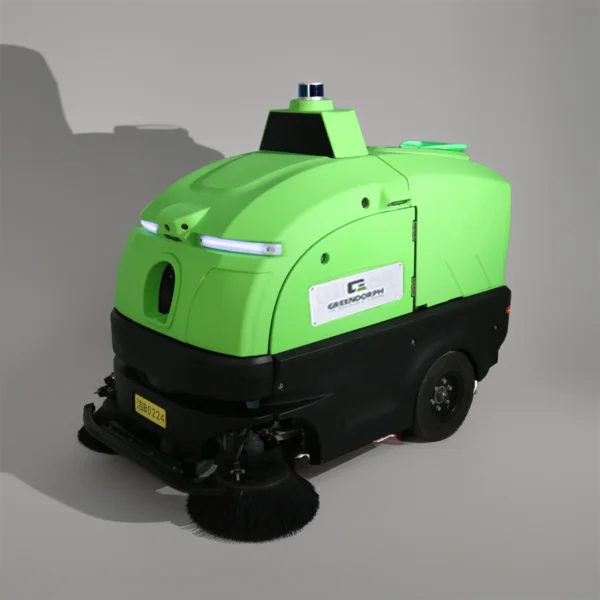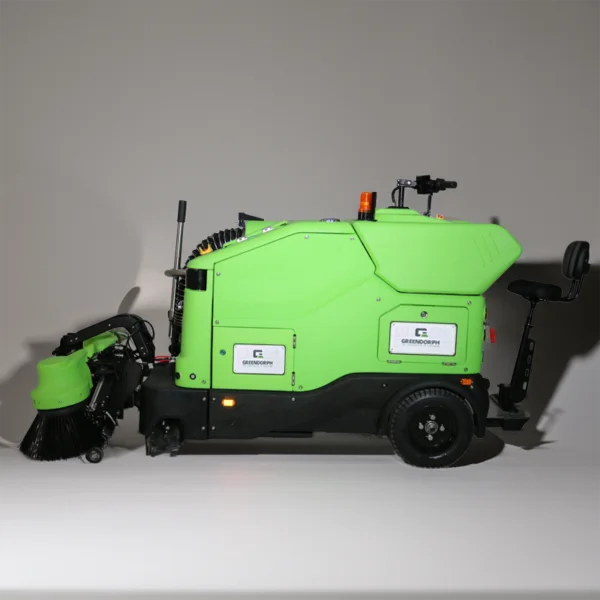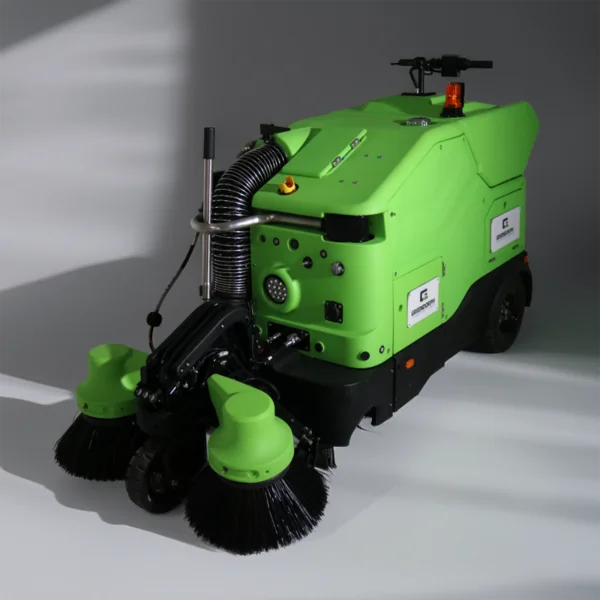
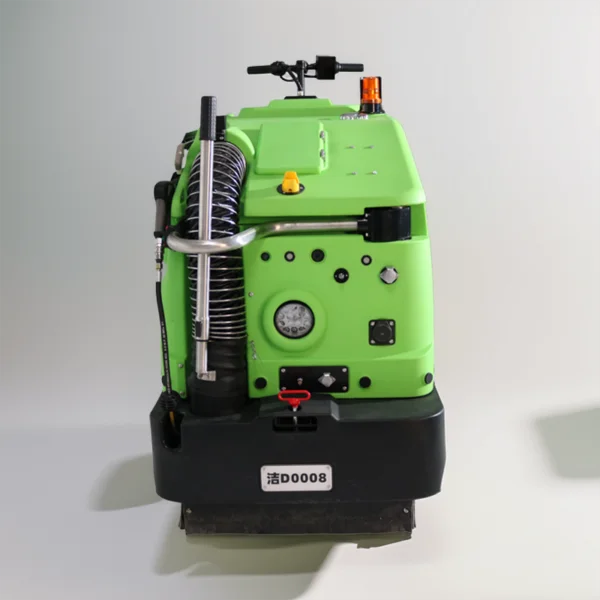
Establishing a reliable sanitation routine on modern urban corridors involves managing a diverse array of particulate matter, seasonal leaf fall, and synthetic litter. City pavements and commercial concrete roads continuously accumulate fine soil and windblown debris that compromise public aesthetics and driver traction if left unaddressed. Traditional mechanical sweeping brooms frequently aggravate dust management by launching micro-particles back into the immediate breathing zone. Transitioning to a high-capacity outdoor street vacuum introduces a negative-pressure alternative that isolates fine debris without dispersing contaminants back into neighborhood environments.
Dynamic public structures present unique layout restrictions, ranging from tight historic alleyways to expansive concrete transit plazas. Relying solely on manual pushing brooms leads to highly unpredictable outcomes, steep labor expenses, and frequent workforce physical strain. Municipal engineers can modernize their maintenance workflows by closely analyzing structural turning geometries, battery endurance parameters, and internal dust collection physics. Selecting advanced machinery that matches local environmental challenges safeguards long-term pavement integrity while optimizing annual utility budgets.
Understanding the Physics of High-Performance Negative Pressure
Efficient street sanitation requires a deep understanding of debris dynamics and suction velocity across variable hard surfaces. Standard mechanical sweepers often pass over heavy loose gravel or leave fine sand trapped inside deep pavement expansion joints. Utilizing high-velocity airflow currents solves this issue by creating a powerful vacuum seal that lifts diverse waste materials instantly.
A modern vacuum street sweeper relies on negative-pressure physics to draw dust, small stones, and litter straight into an enclosed collection hopper. At Greendorph, we design our intake channels to optimize air velocity, ensuring that all debris types are captured cleanly in a single pass. This continuous suction performance allows municipal teams to maintain impeccable road hygiene with minimal operational delay.
Suppressing Fugitive Dust and Safeguarding Community Air Quality
Sweeping dry asphalt or stone sidewalks with standard brushes can easily stir up thick dust clouds, creating inhalation hazards for nearby pedestrians. These airborne particles settle back onto surrounding infrastructure, dulling the appearance of public spaces and lowering local indoor air comfort. Effective dust control relies on a balanced system that uses fine water misters to bind small particles together right before vacuuming.
High-performance filters trap fine concrete and pavement dust particles within the collection hopper. Finding a reliable outdoor street vacuum with advanced dust-suppression systems is critical for maintaining clean air in public spaces. Our design team prioritizes multi-stage filtration to prevent micro-particles from escaping back into the local environment during daily operations.
Maneuvering Safely Through Tight Sidewalk Bottlenecks
Narrow public walkways, pedestrian corridors, and city plazas present serious layout challenges for oversized, heavy municipal machinery. Large utility trucks can easily crack expensive decorative paving stones, block active pedestrian paths, and disrupt local storefront businesses. Urban centers require agile, low-profile equipment designed to maneuver smoothly around street lamps, benches, and transit signs without risking structural property damage.
Our compact electric chassis models feature highly responsive steering layouts designed specifically to handle tight public pathways safely. At Greendorph, we focus on building agile utility vehicles that allow operators to maneuver around benches, trees, and signposts. This spatial agility delivers consistent deep cleaning for constrained public plazas and spacious outdoor roadways equally.
Transitioning to Quiet Electric Power for Flexible Daily Shifts
Operating loud combustion-engine utility trucks during early morning shifts can create major noise disruptions for nearby residential properties. These high noise levels often force managers to delay essential cleanings, leading to scheduling conflicts and reduced productivity. Shifting to advanced, battery-powered electric drivetrains helps municipalities run quiet, eco-friendly cleaning shifts at any hour of the day.
For instance, our specialized Greendorph YJ80 Vacuum Street Sweeper is engineered around a high-performance negative-pressure suction system to optimize urban dust control. As a fully electric street vacuum, it operates near-silently for up to 8 hours per charge with zero tailpipe emissions. This reliable battery setup allows your crews to complete extensive neighborhood routes with reduced risk of mid-shift power loss and noise-related complaints.
Enhancing Urban Fleet Durability with Optimized Electric Mechanical Design
Municipal road cleaning scenarios involve long-hour continuous operation and exposure to pervasive road dust, grit, and fine pavement debris, which severely test the durability of traditional fuel-powered sweepers. Conventional machinery relies on multi-stage hydraulic transmission systems and wearable rotating components that are prone to abrasion, leakage and aging under urban working conditions, resulting in frequent routine servicing and unstable fleet operation.
Our modern vacuum street sweeper adopts highly optimized electric direct-drive structure and brushless motor technology to eliminate complicated hydraulic assemblies and redundant wearable parts. This refined mechanical configuration avoids the recurring maintenance workloads associated with engine oil replacement and hydraulic system debugging. Designed to adapt to high-intensity urban road sanitation tasks, the streamlined mechanical layout improves overall equipment stability, minimizes on-street breakdowns, and effectively reduces long-term municipal fleet maintenance and operational expenditures.
Protecting Historic Hardscapes from Heavy Structural Loading
Decorative brick surfaces, interlocking pavers, and historic public paths are not engineered to support full-sized municipal cleaning vehicles. Heavy diesel trucks can easily crack expensive paving stones, distort underlying soil basements, and cause permanent structural damage. Selecting lightweight, battery-powered equipment is essential for preserving these high-value architectural installations over the long term.
Combining lightweight composite materials with smart weight-distribution frames enables our machines protect your delicate paths. Our low-pressure tires prevent surface scratching, allowing our equipment to work safely across any sensitive brick or tile layout. This structural protection helps facility managers maintain professional-looking grounds without risking expensive pavement damage.
Optimizing Labor Productivity Through Smart Fleet Automation
Persistent labor shortages and high employee turnover make it increasingly difficult for cities to maintain consistent daily cleaning schedules. Heavy manual sweeping is physically exhausting work, exposing cleaning personnel to harsh weather conditions and moving vehicle hazards. Upgrading to advanced, automated utility equipment helps bridge this labor gap, turning routine floor care into a highly efficient workflow.
Deploying a smart outdoor street vacuum allows your valuable human staff to focus on complex building maintenance and safety. Our advanced autonomous machines handle navigation and obstacle avoidance on their own, requiring minimal manual supervision during active cleaning. This reliable performance delivers consistent cleaning outcomes and optimizes daily labor efficiency at your facility.
Conclusion
Ready to upgrade your sanitation fleet? Electric vacuum sweepers deliver cleaner communities, lower labor costs, less water waste, and zero emissions—all in one move. Compact and quiet, they navigate tight spaces with ease while protecting your surfaces. We at Greendorph provide the reliable autonomous solutions that keep facilities worldwide in top condition.