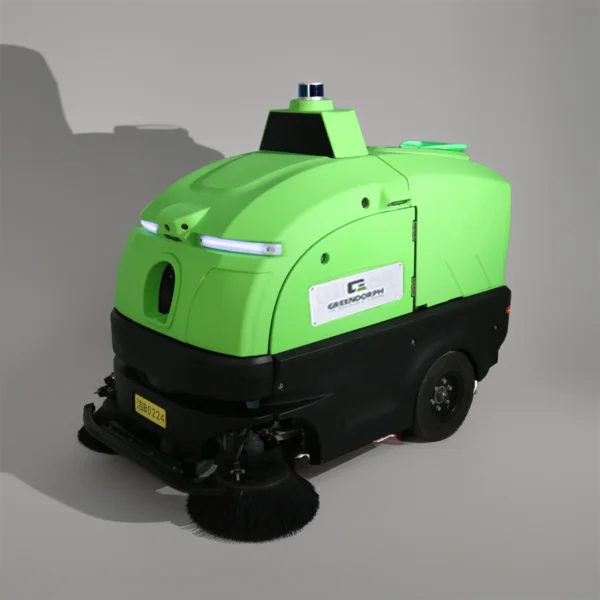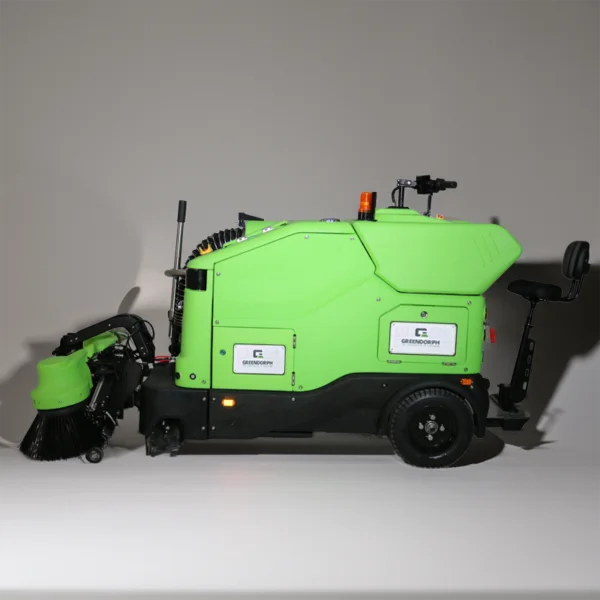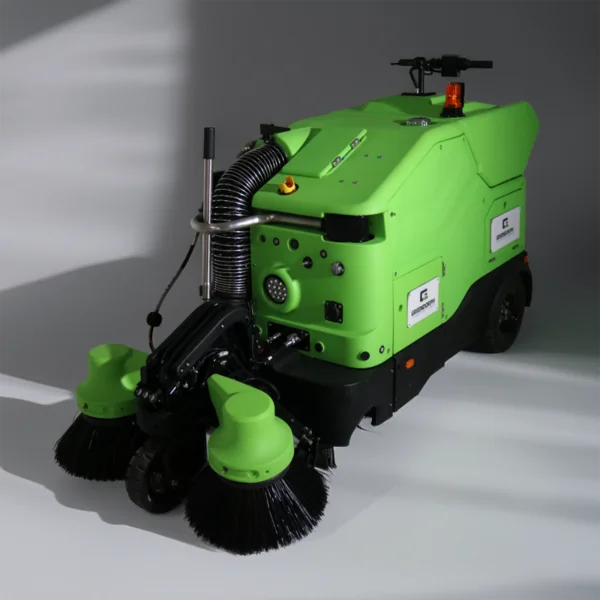
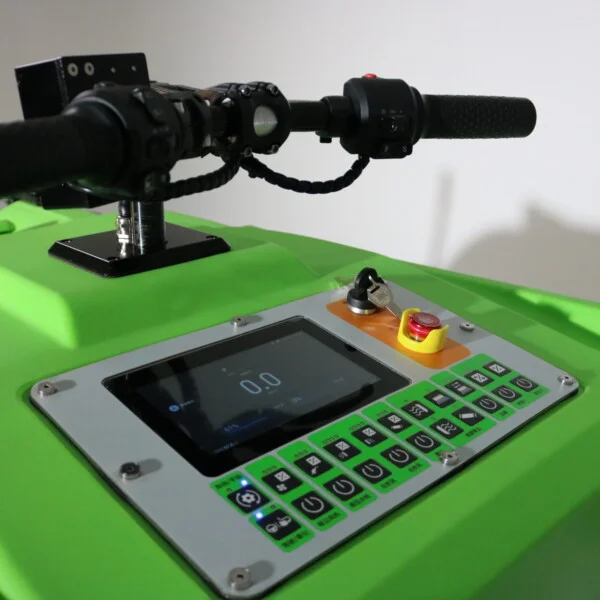
City centers face a relentless buildup of grit, dust, and seasonal debris—fine particles that threaten road safety, clog drains, and gradually erode pavement surfaces. Without proper removal, these abrasives accelerate wear on asphalt and concrete. A specialized street vacuum offers public works teams a reliable, systematic approach to maintaining clean, safe community pathways.
Traditional sweeping methods, such as manual push brooms or basic rotary brush trucks, often struggle with the fine particulate matter found on urban roads. These mechanical designs frequently launch dust into the air, creating localized respiratory discomfort and leaving deep pavement joints inadequately cleaned. By analyzing mechanical turning geometries, fine particle containment, and battery-electric drivetrains, municipal teams can implement highly cost-effective maintenance programs.
Managing Varied Debris Profiles in High-Traffic Public Spaces
Municipal corridors gather an incredibly wide range of waste materials, from heavy gravel near construction sites to light paper litter and dry autumn leaves. A cleaning vehicle must handle these diverse materials effortlessly without losing vacuum suction power or dropping collected waste back onto the road. Standard sweepers often clog on larger debris or fail to capture fine, hazardous particulate matter on sidewalks.
We focus on engineering multi-functional suction chambers that capture diverse debris types in a single pass without manual pre-sorting. At Greendorph, we design our intake channels to optimize air velocity, ensuring that both heavy objects and micro-particles are lifted cleanly. This active collection method keeps busy transit lanes clear, helping cities maintain a highly professional and safe environment for citizens.
Holistic Particle Control for Urban Public Health Protection
Conventional dry brushing methods used in municipal sidewalk maintenance tend to agitate surface particulates, triggering widespread fine dust dispersion that compromises urban ambient air quality and pedestrian comfort. Simple single-stage cleaning cannot fully contain floating micro-particles, leaving hidden sanitary and health risks in crowded street areas.
Our professional street sweeper vacuum adopts a dual synergistic dust management solution combining pre-vacuum wet suppression and precision air filtration. Ultra-fine water mist clusters loose dry dust at the source before suction takes place, effectively cutting secondary dust diffusion during operation. Equipped with layered high-density filter media, the system steadily captures micro contaminants throughout long-duration urban shifts, delivering stable, health-friendly cleaning results for public pedestrian zones.
Designing Flexible Drive Controls for Dynamic Urban Workflows
Municipal cleaning routes present a wide variety of operational challenges, ranging from wide-open public plazas to narrow, congested walkways. Our advanced Greendorph YJ80 road vacuum cleaner machine is engineered to adapt to these changing environments with ease. This professional unit features three operator-friendly modes: manual ride-on, auto-following, and towed traction.
These flexible control modes allow your maintenance crews to handle different environments with ease and minimal physical strain. Our design team focuses on making these control transitions seamless, ensuring that operators can switch modes instantly depending on local traffic. This smart versatility turns a standard utility vehicle into a highly responsive, multi-zone asset.
Transitioning to Low-Emission Electric Fleets for Night Shifts
Operating loud combustion-engine utility trucks during early morning shifts can create major noise disruptions for nearby residential properties. These high noise levels often force managers to delay essential cleanings, leading to scheduling conflicts and reduced productivity. Shifting to advanced, battery-powered electric drivetrains helps municipalities run quiet, eco-friendly cleaning shifts at any hour of the day.
Our fully electric outdoor street vacuum models operate near-silently for up to 8 hours per charge. This extended runtime allows your municipal team to complete extensive sidewalk routes without experiencing frustrating mid-shift power drains. Moving to electric power cuts fuel expenses, eliminates localized emissions, and keeps your neighborhood streets peaceful and quiet.
Optimized Electric Mechanical Structure for Low-Cost Municipal Fleet Operation
Urban road sanitation operates in high-dust, high-abrasion environments that heavily tax traditional fuel sweeper fleets. Conventional models rely on elaborate hydraulic transmission systems and numerous wearable components, which are prone to accelerated aging, fluid leakage and unexpected failures under continuous municipal working conditions. Such structural defects lead to repetitive maintenance work and inflated annual public works budgets.
Upgraded with brushless electric drive technology, modern electric sweeping equipment removes bulky hydraulic assemblies and redundant moving parts. This highly streamlined mechanical architecture eliminates routine engine maintenance and pressure system upkeep required for diesel machinery. With fewer vulnerable wear components and stable electric drivetrain performance, the equipment sustains long-term street operation availability, reduces unplanned downtime, and helps municipal departments optimize fleet maintenance expenditure.
Navigating Narrow Public Sidewalks and Architectural Plazas
Narrow public walkways, pedestrian corridors, and city plazas present serious layout challenges for oversized, heavy municipal machinery. Large utility trucks can easily crack expensive decorative paving stones, block active pedestrian paths, and disrupt local storefront businesses. Urban centers require agile, low-profile equipment designed to maneuver smoothly around street lamps, benches, and transit signs without risking structural property damage.
Our compact electric chassis models feature highly responsive steering layouts designed specifically to handle tight public pathways safely. We focus on building agile utility vehicles that allow operators to maneuver around benches, trees, and signposts. This spatial agility delivers that restricted public plazas receive the same deep, thorough clean as wide-open outdoor roads.
Optimizing Labor Productivity Through Smart Fleet Automation
Persistent labor shortages and high employee turnover make it increasingly difficult for cities to maintain consistent daily cleaning schedules. Heavy manual sweeping is physically exhausting work, exposing cleaning personnel to harsh weather conditions and moving vehicle hazards. Upgrading to advanced, automated utility equipment helps bridge this labor gap, turning routine floor care into a highly efficient workflow.
Deploying a smart autonomous street sweeper vacuum allows your valuable human staff to focus on complex building maintenance and safety. Our advanced automated systems handle navigation and obstacle avoidance on their own, requiring minimal manual supervision during active cleaning. This reliable performance supports consistent cleaning outcomes while keeping your facility’s daily labor allocation highly productive.
Conclusion
Modernizing public works sanitation requires transitioning away from outdated, high-emission diesel sweepers toward clean, silent electric alternatives. Incorporating highly agile vacuum systems helps municipal teams complete extensive cleaning routes quietly without disrupting residential communities. These battery-powered utility vehicles keep public sidewalks clean, protect local air quality, and dramatically reduce long-term maintenance costs. At Greendorph, we are fully committed to engineering the robust, sustainable electric tools required to keep global cities clean and safe.