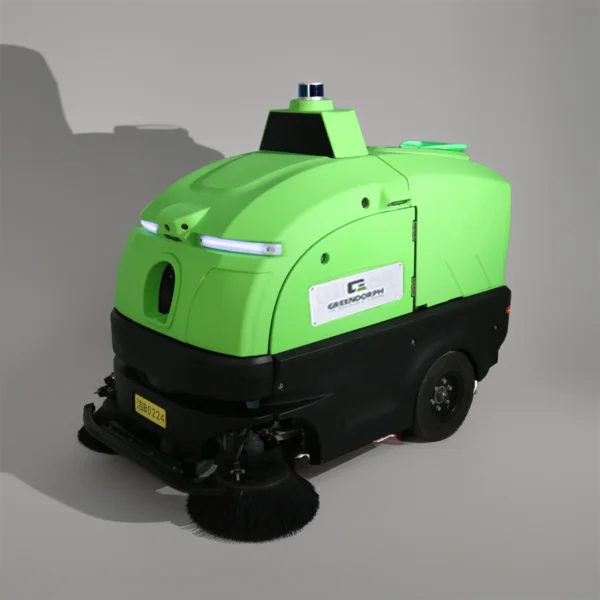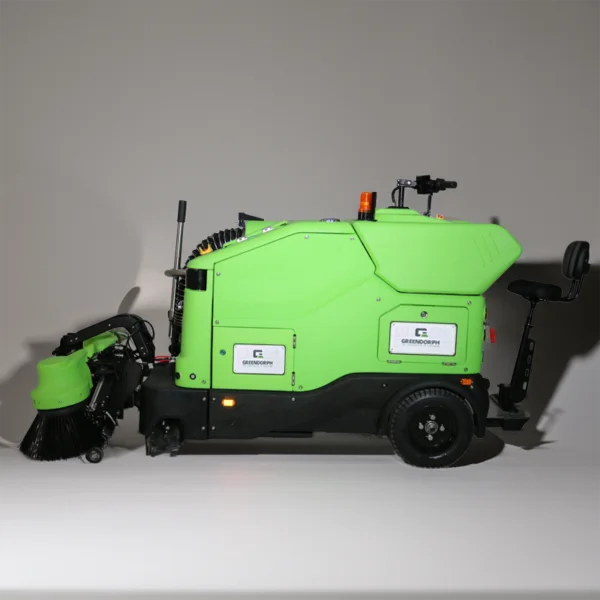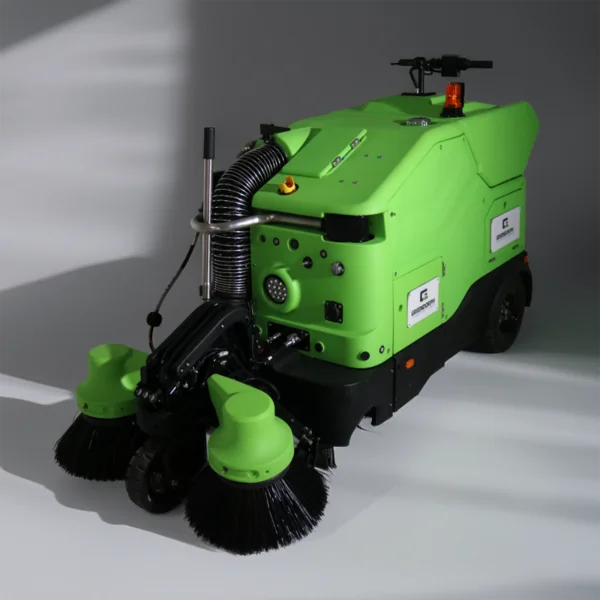
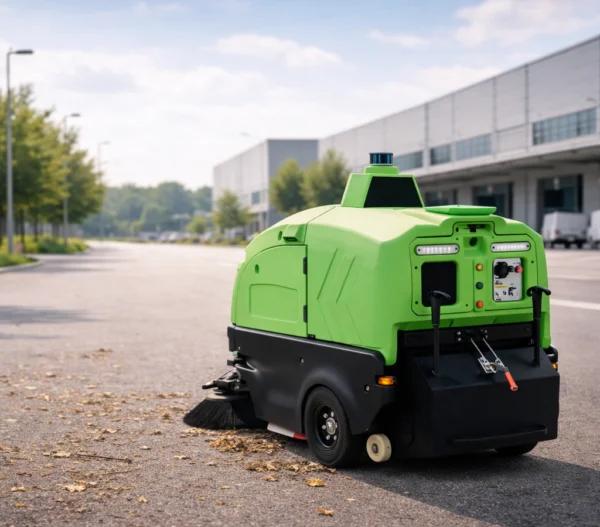
Achieving uniform sanitation standards across extensive manufacturing floors and logistical transit corridors requires a systematic approach to surface friction and debris extraction. Daily industrial activities continuously deposit a mix of fine concrete dust, rubber tire marks, and chemical spillages that ruin floor integrity and traction. Leaving these residues unmanaged creates immediate hazards for foot traffic and causes early concrete deterioration under heavy machinery loads. Deploying a specialized industrial cleaning machine offers facility managers a reliable, predictable method to keep expansive pavements clean and structurally sound.
Relying on manual labor or traditional push brooms to clean thousands of square meters daily leads to highly inconsistent, unpredictable outcomes. Manual washing pressure changes constantly, leaving behind dirt streaks, water puddles, and untreated sections across busy factory lanes. By analyzing mechanical brush downpressure, water recovery suction, and autonomous transit pathways, engineering teams can achieve a high degree of cleaning uniformity.
The Variables behind Manual Sanitation Inconsistency
Manual floor washing depends heavily on the physical endurance, focus, and energy levels of the individual cleaning staff. Over the course of a long shift, manual sweeping speeds and mop pressures naturally decline, leading to uneven dirt removal across the facility. Important high-traffic corridors might receive deep scrubbing early in the day, while remote storage lanes are barely touched later.
These neglected floor areas accumulate fine abrasive dust that gets ground directly into the concrete by heavy warehouse machinery. This uneven wear quickly strips away protective sealant layers, creating costly concrete pitting and cracks that require extensive surface repaving. Standardizing the physical pressure and washing speed across every single square meter is essential for preserving the lifespan of industrial floors.
Standardizing Mechanical Downpressure and Fluid Delivery
Achieving perfect cleanliness on rough concrete requires precise control over both brush pressure and clean water distribution during the scrubbing process. Modern machinery uses automated downpressure sensors to keep the rotating brushes in perfect contact with uneven floor surfaces. This continuous pressure breaks down heavy grease and dried soil deposits instantly without causing damage to the underlying floor sealer.
Operating a calibrated industrial floor scrubber machine facilitates even application of fresh wash water and functional detergent over your full floor area. This precise chemical distribution prevents soapy buildup while ensuring that grease is dissolved and swept away in a single pass. Our engineering team focuses on optimizing these fluid flow rates to guarantee consistent, deep cleaning across diverse concrete environments.
Optimizing Water Extraction and Drying Physics
Puddles of dirty wastewater on active factory floors pose slip risks for staff and reduce forklift traction. An efficient sanitation cycle uses a heavy-duty squeegee and powerful vacuum motor to remove the slurry from the concrete quickly, leaving the surface dry enough for forklifts and foot traffic within minutes.
Using a high-performance industrial floor scrubber machine allows facilities to wash and dry busy transport corridors without interrupting production. Our specialized vacuum systems generate high suction velocity, pulling water even from deep expansion joints and concrete crevices. This rapid moisture extraction prevents slip-and-fall accidents, keeping your daily facility operations running smoothly and safely.
Implementing Intelligent Spatial Mapping for Full Area Coverage
Standard human-guided sweepers often miss corners, edges, and tight spots between large assembly machines due to restricted operator visibility. Over time, these missed zones accumulate deep layers of industrial dust and debris that can contaminate nearby manufacturing processes. Integrating high-precision spatial mapping sensors resolves this coverage issue by ensuring that every corner of the property is systematically cleaned.
Upon deployment, Greendorph engineers mapped the facility to prioritize high-risk dust zones and heavy-traffic lanes. The impact was immediate, ensuring that no cleaning paths were overlooked or cleaned twice during a single shift. This intelligent route planning guarantees complete, edge-to-edge coverage, keeping your entire facility looking professional and clean.
Decoupling Operations from Hazards Through Automated Systems
Active manufacturing floors present numerous physical dangers for cleaning personnel, including moving forklifts, heavy overhead cranes, and hazardous chemical spills. Sending human workers with manual mops into these high-traffic zones increases the risk of workplace accidents and limits cleaning to downtime. Embracing autonomous utility equipment removes your personnel from these risky environments, improving both safety and operational productivity.
Our fully electric, autonomous systems allow facilities to handle demanding cleaning routes safely without putting workers in harm’s way. A Safer Workplace: Cleaning is now fully decoupled from human risk. The YJ130 runs continuous cleaning loops while staff stay clear of hazardous zones, allowing your crew to focus on complex maintenance. At Greendorph, we design our navigation safety features to keep your team protected while maintaining immaculate floors.
Optimized Electric Mechanical Structure for Consistent Long-Term Cleaning Performance
Consistent industrial floor sanitation depends heavily on stable equipment operation, a goal difficult to sustain with conventional fuel-powered cleaning fleets. Traditional machinery relies on multi-stage transmission and hydraulic components that degrade rapidly in dusty, high-abrasion factory environments. Progressive component wear leads to performance inconsistencies, intermittent faults, and frequent downtime that disrupt standardized cleaning schedules.
Our modern industrial cleaning equipment adopts integrated brushless electric direct-drive architecture, minimizing wearable mechanical components and eliminating vulnerable hydraulic systems. This streamlined structure greatly reduces routine servicing needs and unplanned failures. With more stable mechanical output, the equipment maintains uniform cleaning pressure and operational consistency over long shifts, supporting reliable, repeatable floor sanitation while lowering overall facility maintenance expenditure.
Low-Noise Battery Electric Operation for Stable Round-the-Clock Sanitation Coverage
Industrial facilities require uninterrupted cleaning cycles to sustain floor consistency across day and night production shifts. Conventional diesel sweepers generate excessive operational noise and emissions, restricting usable cleaning windows and breaking the continuity of standardized sanitation workflows. Such limitations create uneven floor hygiene levels and increase management difficulty.
Engineered for industrial continuous operation, our battery-electric cleaning platforms deliver stable, long-duration runtime per single charge. The near-silent, zero-local-emission design supports flexible off-peak and overnight cleaning without disturbing on-site operations or surrounding communities. Optimized electric energy utilization delivers steady, consistent cleaning output across large-scale industrial zones, enabling facilities to build highly regular, reliable floor maintenance routines.
Conclusion
Transitioning commercial facilities toward automated electric scrubbing systems is a vital step in achieving consistent, high-standard floor hygiene. Moving away from manual cleaning routines helps properties cut labor costs, reduce water consumption, and lower local tailpipe emissions. These quiet, highly maneuverable electric vehicles protect delicate floor coatings while delivering highly reliable cleaning results across expansive industrial zones. At Greendorph, we remain fully dedicated to engineering the high-performance, automated electric tools necessary to keep global workspaces clean, safe, and sustainable.