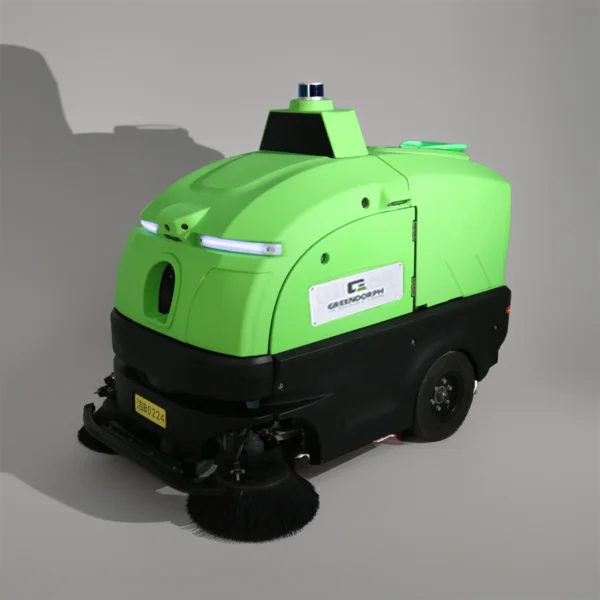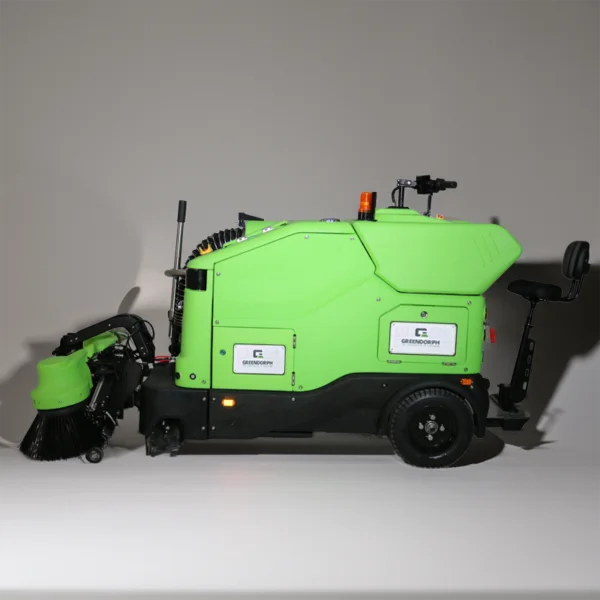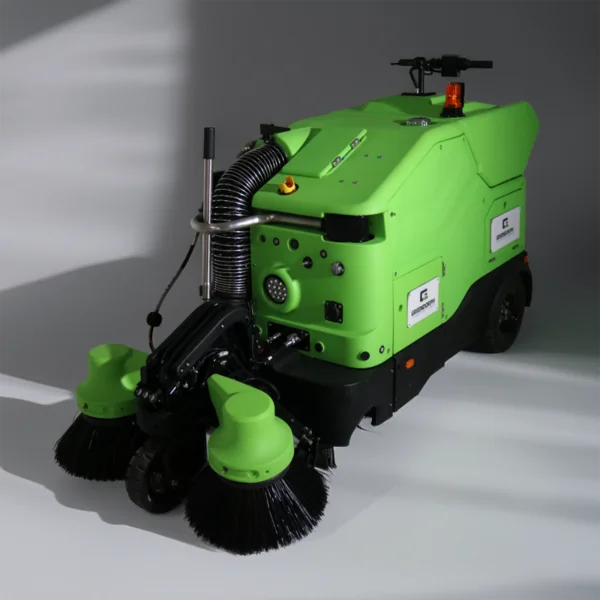
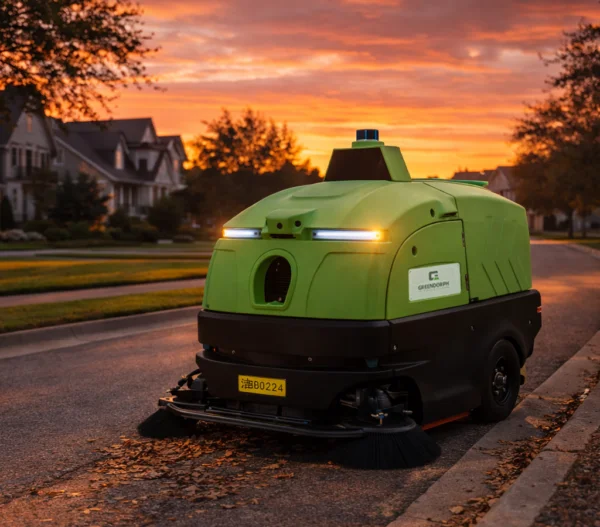
Caring for the outdoor spaces of vast residential communities, regional hubs, and historic neighborhoods requires balancing community pride with physical labor constraints. Shifting winds and daily foot traffic leave behind a constant layer of fine sand, fallen organic matter, and concrete stains on shared pathways. Neglecting these shared paved zones slowly breaks down concrete sealants and lowers the professional aesthetic appeal of the entire property investment. Utilizing a high-performance residential floor scrubber machine provides neighborhood groups and property managers with a systematic method to preserve community surfaces cleanly.
- Every expansive residential layout presents distinct spatial challenges, from winding parkway borders to brick paved walkways.
- Traditional manual sweeping routines are often too slow and inconsistent to cover thousands of square meters of public paths effectively.
- Evaluating key machine parameters—such as navigation tracking, dust suppression misters, and all-electric drivetrains—helps management teams make highly informed decisions.
This analytical approach to neighborhood care protects physical infrastructure investments while optimizing your annual operating budgets over time. Choosing automated equipment that matches your estate’s layout protects high-value pathways and reduces daily manual labor strain significantly.
Understanding the Structural Scale of Outdoor Residential Layouts
Large-scale residential developments and historic regional centers present complex landscaping designs that require specialized utility tools. Winding pedestrian walks, public park borders, and decorative stone plazas cannot be cleared effectively using small, basic indoor equipment. Property managers frequently discover that indoor consumer products like an automatic floor cleaning machine for home lack the rugged durability needed for these spaces.
- Outdoor communal pavements require heavy-duty brush downpressure to lift dirt from rough concrete crevices.
- Oversized municipal sweeping vehicles are too heavy, risking structural cracking on delicate brick pavers and walkways.
- Compact outdoor utility machines bridge this gap by delivering high cleaning power within a safe, lightweight frame.
The Public Spaces Team at Southern Grampians Shire Council carries a heavy responsibility: maintaining the pristine image of Hamilton, a regional centre famous as the “Wool Capital of the World.” Like many regional hubs, Hamilton takes immense pride in its heritage. However, the council faces a structural challenge: managing extensive historic streetscapes and public gardens with a lean, experienced workforce that needs support, not replacement.
Mitigating Dust Storms and Preserving Communal Air Quality
Sweeping dry neighborhood asphalt or concrete walkways can easily kick up thick dust clouds, creating immediate respiratory discomfort for residents. Advanced dust control relies on a balanced system that uses fine water misters to bind small particles together right before sweeping. This wet-suppression mechanism traps fine concrete dust securely inside the collection hopper instead of venting it back into the neighborhood air.
- High-efficiency fabric filters media securely contains captured micro-particles throughout extended industrial cleaning cycles.
- Preventing fine dust from blowing back onto building facades keeps residential properties looking cleaner for longer periods.
- This clean approach to dust control keeps the surrounding air fresh, comfortable, and healthy for your community’s occupants.
Our engineering team prioritizes multi-stage air filtration to prevent fine particulate matter from escaping back into public environments. Deploying a specialized residential floor scrubber machine achieves clean capture of fine dust and prevents airborne hazards on surrounding walkways. At Greendorph, we design our fluid systems to maximize dust capture, helping your team maintain safe, pleasant shared walkways.
Navigating Tight Architectural Spaces with Agile Autonomous Platforms
Restricted neighborhood paths, tight cul-de-sacs, and busy community center entryways challenge standard cleaning equipment every single day. Large utility vehicles risk colliding with decorative fencing or blocking resident driveways, causing expensive property damage and frustrating neighborhood blockages. Property managers require compact, highly agile machinery engineered to navigate around delicate landscaping borders and tight layout corners easily.
- Advanced steering configurations allow autonomous chassis designs to spin on a dime safely without scratching borders.
- High-precision sensor arrays—such as LiDAR and 3D cameras—allow the machine to calculate clean paths instantly around obstacles.
This responsive tracking delivers full cleaning for narrow residential passageways without posing risks to surrounding structures.
Transitioning to Low-Emission Electric Fleets for Quiet Early Shifts
Operating loud combustion-engine utility trucks during early morning shifts can create major noise disruptions for nearby residential properties. These high noise levels often force managers to delay essential cleanings, leading to scheduling conflicts and reduced productivity. Shifting to advanced, battery-powered electric drivetrains helps communities run quiet, eco-friendly cleaning shifts at any hour of the day or night.
- Near-silent electric motors allow maintenance crews to clear paths before residents wake up without causing complaints.
- Reducing fuel emissions prevents exhaust fumes from drifting into open windows or contaminating fresh public garden areas.
- Electric drivetrains slash annual energy costs while nearly removing fossil fuel dependencies from your facility operations.
Engineered with high-density battery systems, our cleaning equipment delivers 6–8 hours of steady runtime on a full charge. This prolonged operational duration enables maintenance crews to cover large-scale outdoor cleaning routes with few operational disruptions. By optimizing drivetrain energy utilization, our electric units support stable, low-noise, low-emission daily sanitation routines for commercial and industrial properties.
Lowering Maintenance Complexity to Reduce Annual Repair Expenses
Traditional internal combustion sweeping trucks feature complex hydraulic lines, belts, and fluid reservoirs that require frequent, specialized maintenance. Dusty operating conditions accelerate wear on these moving parts, leading to hydraulic leaks, sudden breakdowns, and expensive repair bills. Transitioning to direct-drive electric systems simplifies the mechanical footprint and prevents these frustrating maintenance issues.
- Using brushless electric motors significantly lowers the number of moving parts inside our advanced sweeping equipment.
- Eliminating traditional engine oil changes and spark plug replacements saves precious time and operational budget money.
- Keeping the mechanical architecture simple supports high reliability, keeping your maintenance fleet active on the ground.
Investing in an advanced automatic floor cleaning machine for home applications cannot solve the harsh demands of outdoor community roads. Instead, choosing heavy-duty electric platforms drives long-term operational success without requiring constant mechanical repair overhauls. Our design team simplifies the underlying internal components, ensuring that your community fleet remains active, reliable, and highly cost-effective.
Optimizing Labor Efficiency and Assisting Lean Facility Crews
Persistent labor shortages make it increasingly difficult for regional hubs and property managers to keep up with extensive cleaning routes. Deploying smart autonomous technology changes how teams manage these tasks, turning routine sweeping into a hands-free, automated workflow. This technological shift allows valuable team members to focus on complex building maintenance, landscaping, and urgent security duties.
- Autonomous utility platforms track fixed paths precisely, ensuring consistent debris removal without needing a constant human driver.
- Decoupling routine cleaning from manual labor allows a lean team to manage double the physical area per shift.
- Embracing this automated workflow boosts overall crew morale by replacing exhausting manual pushing with high-tech equipment supervision.
We recognize that advanced technology should support and elevate your existing grounds crews rather than replace them. This responsive automation maintains consistent cleaning outcomes while keeping your facility’s daily labor allocation highly productive. Implementing a robust residential floor scrubber machine fleet enables property managers to maintain immaculate grounds while optimizing their operational budgets.
Conclusion
Caring for extensive residential architecture requires moving away from outdated manual push brooms toward quiet, fully automated electric utility machinery. While standard indoor items like an automatic floor cleaning machine for home fit indoor rooms, large estates demand rugged outdoor platforms. Transitioning your property workflows to low-emission battery power protects delicate stone pathways, improves local air quality, and lowers annual repair bills. At Greendorph, we are deeply committed to engineering the precise, automated electric tools required to support lean crews and keep neighborhoods beautiful.