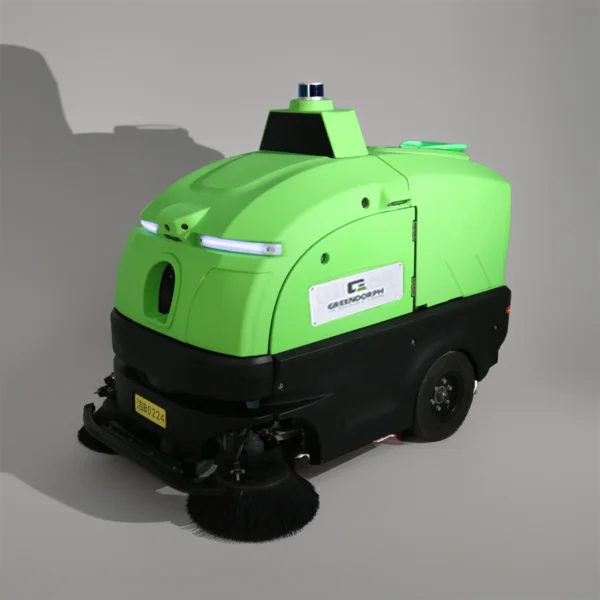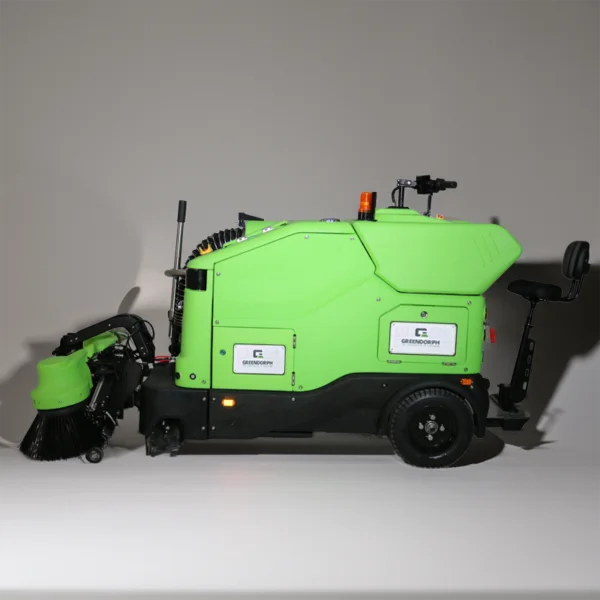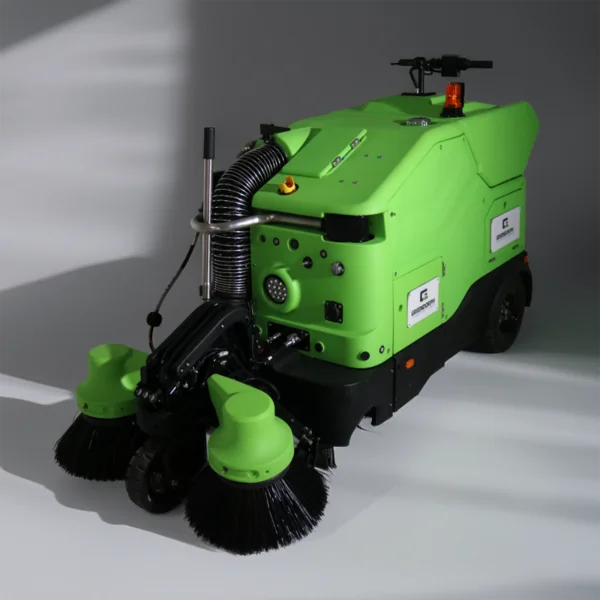
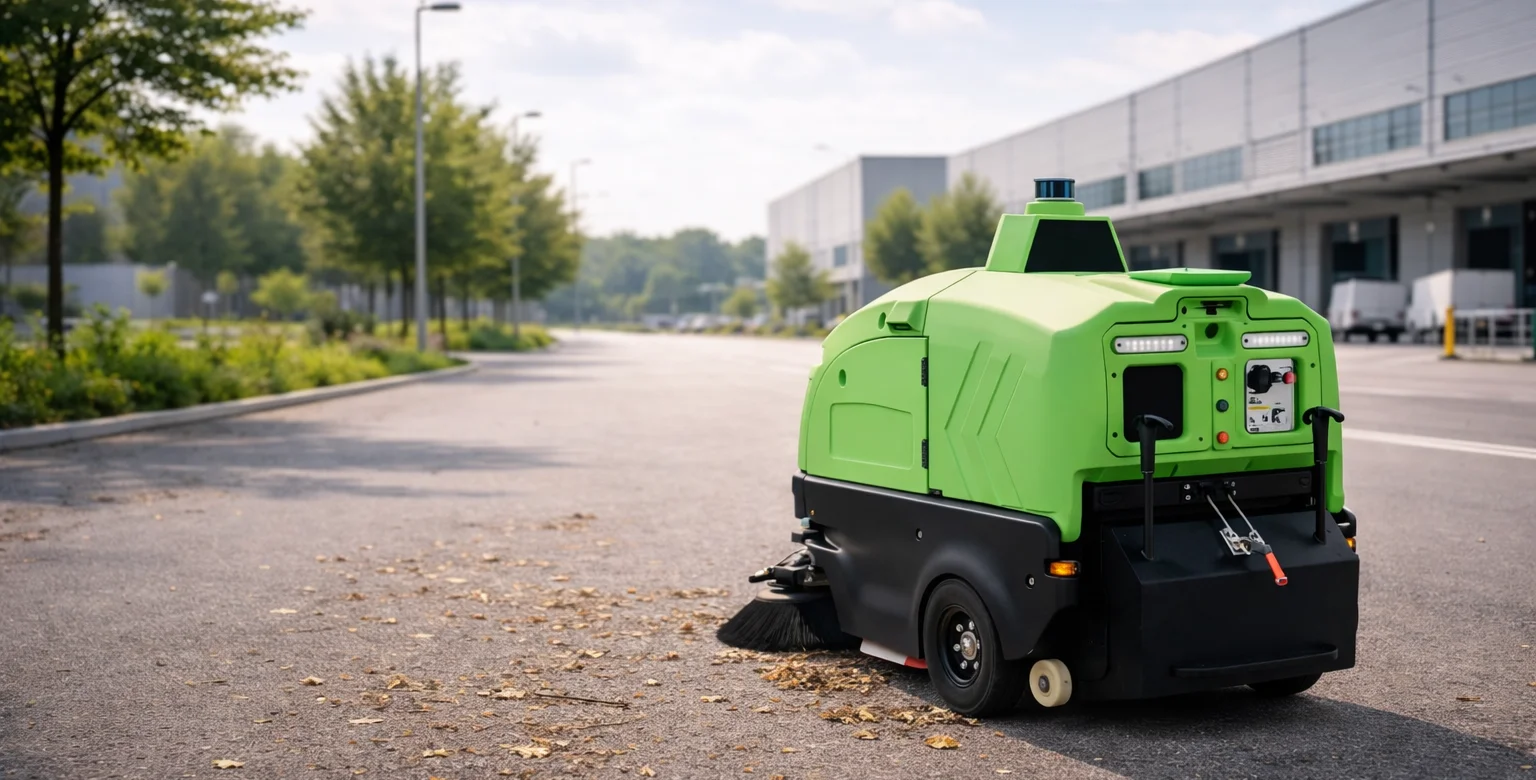
Managing large commercial structures requires balancing strict surface hygiene with limited human labor availability. Expansive floors in warehouse facilities, regional transit hubs, and retail spaces constantly gather a dense layer of dust, grit, and fine debris. Neglecting these small particles slowly wears away protective floor coatings, increasing the risk of surface degradation and forklift tire wear. Deploying advanced floor cleaning machines gives facility managers a predictable, data-driven method to protect property infrastructure and maintain pristine transit pathways.
Relying on traditional manual mops or basic push brooms to cover thousands of square meters daily creates massive operational bottlenecks. Human sweeping speeds naturally drop during long shifts, leading to missed areas, dirt streaks, and inconsistent cleanliness levels across the property. By analyzing key mechanical parameters—such as brush downpressure consistency, smart water-recovery systems, and automated navigation tracking—operations teams can transform their floor care routines.
Analyzing the Human Variable in Manual Facility Maintenance
Manual floor sweeping depends largely on the physical stamina, focus, and daily energy levels of individual ground crews. Over the course of a long, grueling shift, manual scrubbing pressure drops significantly, leading to uneven dirt removal across different building zones. Important high-traffic entryways might receive a deep clean early in the morning, while remote storage aisles are barely touched later in the day.
This inconsistent coverage allows fine abrasive dust to settle deeply into porous concrete surfaces, where heavy machinery tires grind it down. Over time, this constant grinding strips away protective sealants, causing early floor pitting and cracking that require expensive building repairs. Standardizing the physical pressure and washing speed across every single square meter is essential for preserving the long-term lifespan of your flooring assets.
Standardizing Mechanical Downpressure for Even Soil Extraction
Achieving ideal cleanliness on rough concrete requires precise control over both brush pressure and clean water distribution during the scrubbing process. Modern machinery uses automated downpressure sensors to keep the rotating brushes in steady, perfect contact with uneven floor surfaces. This continuous mechanical friction breaks down heavy grease and dried soil deposits instantly without causing damage to the underlying floor sealer.
Operating a calibrated floor scrubber machine facilitates that clean washing water and active detergent are applied evenly across your entire floor layout. This precise distribution prevents chemical waste while ensuring that grease is dissolved and swept away in a single pass. Our engineering team focuses on optimizing these internal fluid systems to guarantee consistent, deep cleaning across diverse concrete environments.
Optimizing Water Extraction and Drying Physics on Public Pathways
Leaving dirty wastewater puddles behind on active warehouse floors or retail walkways creates immediate slip hazards for staff and customers. A highly efficient sanitation cycle relies on a heavy-duty squeegee assembly working in close sync with a powerful vacuum motor. This combination lifts the dirty slurry off the concrete effectively, leaving the walkway drier and safe for immediate traffic.
Using a high-performance floor scrubber machine allows facilities to wash and dry busy transport corridors without interrupting daily business production. Our specialized vacuum systems generate high suction velocity, pulling water even from deep expansion joints and concrete crevices. This rapid moisture extraction prevents slip-and-fall accidents, keeping your daily facility operations running smoothly and safely.
Harnessing Autonomous Path Planning for Full Area Coverage
Standard human-guided sweepers often miss corners, edges, and tight spots between large assembly machines due to restricted operator visibility. Over time, these missed zones accumulate deep layers of industrial dust and debris that can contaminate nearby manufacturing processes. Integrating high-precision spatial mapping sensors resolves this coverage issue by ensuring that every corner of the property is systematically cleaned.
Our autonomous floor cleaning machines leverage intelligent navigation technology to deliver more consistent, efficient cleaning and reduce inconsistencies caused by manual operation. At Greendorph, we design our navigation safety systems to map complex facility layouts accurately, ensuring that no paths are overlooked or cleaned twice. This intelligent route planning guarantees complete, edge-to-edge coverage, keeping your entire facility looking professional and clean.
Decoupling Workforce Routines from Harsh Environmental Hazards
Active manufacturing floors present numerous physical dangers for cleaning personnel, including moving forklifts, heavy overhead cranes, and hazardous chemical spills. Sending human workers with manual mops into these high-traffic zones increases the risk of workplace accidents and limits cleaning to downtime. Embracing autonomous utility equipment removes your personnel from these risky environments, improving both safety and operational productivity.
Our fully electric, autonomous systems allow facilities to handle demanding cleaning routes safely without putting workers in harm’s way. This autonomous operation allows your crew to focus on complex maintenance tasks while the machine runs its continuous cleaning loops safely. At Greendorph, we focus on building collaborative technology that supports your existing team, helping them achieve more during every shift.
Modular Electric Design Boosts Fleet Stability and Optimises Lifecycle Costs
Commercial and industrial sanitation plans rely on predictable equipment availability to sustain standardized cleaning cycles. Conventional fuel-driven sweepers consist of intricate transmission assemblies and hydraulic modules, which degrade rapidly amid pervasive warehouse dust and abrasive debris. Unexpected equipment downtime breaks fixed cleaning workflows, forcing operators to deploy temporary manual labour and inflate overall operational expenditure.
Our sweeping platforms adopt brushless direct-drive modular architecture to cut redundant movable components. This streamlined layout removes routine servicing tasks unique to combustion equipment, such as engine fluid replacement and hydraulic system inspections. Reliable, low-maintenance mechanical construction stabilises long-term fleet utilisation, minimises unplanned idle time and creates measurable savings on recurring repair budgets for large facilities.
Battery-Powered Platforms Support Agile Off-Peak Sanitation Arrangements
Logistics centres, retail spaces and transit hubs maintain busy daytime operational cycles, leaving limited opportunities for thorough floor maintenance. Traditional fuel-powered cleaning vehicles generate exhaust emissions and operational interference, restricting cleaning activities to rigid time windows. Modern battery-electric drivetrains remove these constraints and enable flexible sanitation deployment across the full daily timetable.
Fitted with high-capacity battery modules, our cleaning systems deliver 6–8 hours of continuous operation following each full charge. The extended working window allows maintenance teams to deploy targeted large-area cleaning during low-traffic periods. Refined energy utilisation helps facility teams establish adaptive sanitation routines that minimise disruption to core commercial and logistical workflows.
Conclusion
Establishing a modern sanitation program across commercial properties requires shifting away from inconsistent manual sweeping toward smart, electric utility equipment. Replacing manual pushing brooms with low-emission machinery reduces daily labor costs, saves water, and largely removes fossil fuel emissions.
These compact and highly maneuverable utility vehicles protect delicate floor coatings while delivering highly reliable cleaning results across expansive industrial zones. We remain fully dedicated to engineering the high-performance, automated electric tools necessary to support grounds crews and keep global facilities pristine.