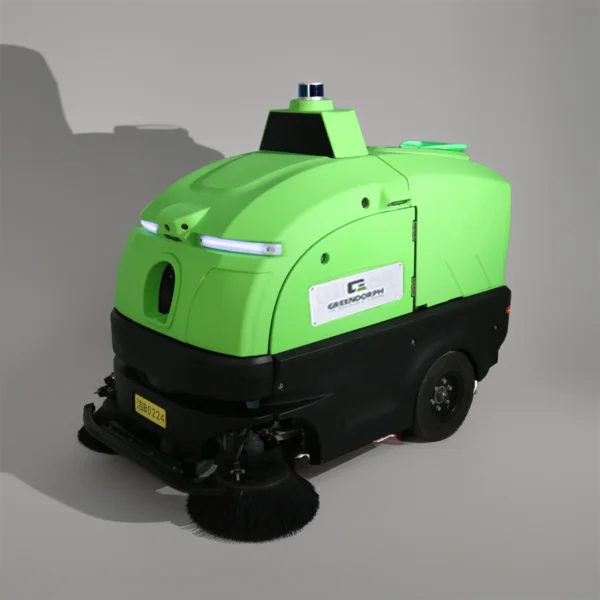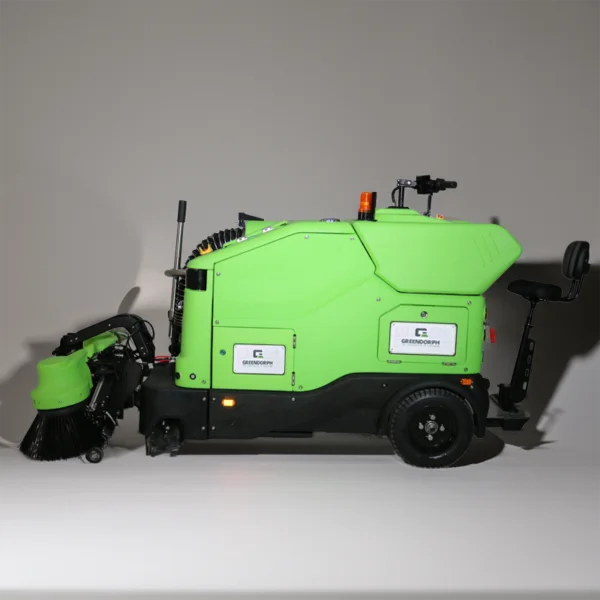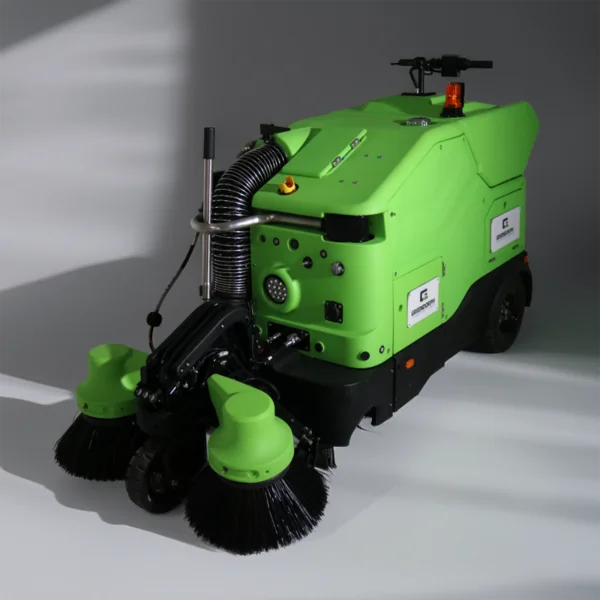
Procuring high-capacity sanitation hardware for major logistics hubs, commercial airports, and multi-facility industrial portfolios requires an analytical approach that goes far beyond reviewing upfront capital costs. Large-scale operations demand exceptional structural durability, predictable battery duty cycles, and automated fluid management systems capable of handling thousands of square meters daily. Relying on inadequate commercial sweeping equipment creates severe maintenance bottlenecks, leading to premature floor degradation and unexpected downtime for active transit fleets. Transitioning to heavy-duty, professionally calibrated floor cleaning machines enables operations teams to safeguard physical assets while standardizing their organizational hygiene levels.
Engineering procurement managers must evaluate several technical metrics when analyzing heavy hardware options for extensive multi-zone facilities. Looking past basic retail brochures allows procurement teams to accurately calculate true total cost of ownership over a multi-year service lifespan. Key parameters like component accessibility, mechanical drive simplicity, and the availability of direct technical support channels determine long-term project viability.
Calculating Total Cost of Ownership Beyond the Initial Purchase Price
Industrial floor asset management requires looking closely at long-term operating costs rather than just focusing on the initial purchase price of equipment. True procurement expenses include regular brush replacement cycles, electrical charging efficiency, water usage rates, and unexpected mechanical repair needs over time. A cheaper upfront unit can easily become a major financial drain if its internal parts wear down quickly under demanding daily shifts.
Analyzing structural specifications helps project managers identify durable machinery built with heavy-duty steel frames and impact-resistant collection tanks. Investing in heavy-duty floor cleaning machines reduces the frequency of unexpected breakdown costs during high-pressure logistics operations. Evaluating true component lifespans helps facility managers plan highly accurate multi-year maintenance budgets while minimizing asset depreciation across their entire property portfolio.
Analyzing Mechanical Simplicity and Component Accessibility Metrics
Dusty industrial environments accelerate internal component wear, frequently leading to clogged fluid valves, worn drive belts, and sudden hydraulic line leaks. Choosing direct-drive electric systems simplifies the internal mechanical layout, reducing complex hydraulic pumps that require frequent, specialized servicing. A simplified layout prevents unexpected machinery breakdowns, ensuring that your equipment stays active on the warehouse floor.
Easy access to wear items like squeegee rubber blades, suction hoses, and main cylindrical brushes streamlines your daily upkeep routines. At Greendorph, we design our service access points to allow operators to swap out consumable brushes quickly without needing specialized workshop tools. Keeping maintenance workflows fast and simple prevents minor wear issues from turning into major, expensive workshop repair projects.
Evaluating Brush Downpressure and Water Recovery Performance
Lifting deep grease deposits and heavy tire marks from porous industrial concrete requires high brush motor torque and steady downpressure. Modern machinery utilizes automated downpressure sensors to keep the rotating scrub heads in constant contact with uneven floor surfaces. This steady physical friction breaks down stubborn surface oils and dried chemical grime instantly without scratching protective topical floor sealants.
Removing wastewater immediately is critical for keeping active facility transit lanes safe for fast-moving forklifts and pedestrian foot traffic. An industrial floor scrubber for sale must combine a heavy-duty squeegee assembly with a high-velocity negative-pressure suction motor. This combination extracts the dirty slurry instantly, leaving the concrete bone-dry and reducing slip-and-fall accidents across high-traffic factory zones.
Assessing Battery Chemistry and Daily Endurance Parameters
Sustaining continuous multi-shift operations across massive logistics facilities requires high-capacity battery power configurations engineered for extended runtimes. Traditional lead-acid batteries demand regular water topping maintenance and long charging cycles that can disrupt strict facility clean-up schedules. Shifting to advanced lithium-iron-phosphate setups offers rapid opportunity charging capabilities, allowing the machinery to run efficiently across consecutive work shifts.
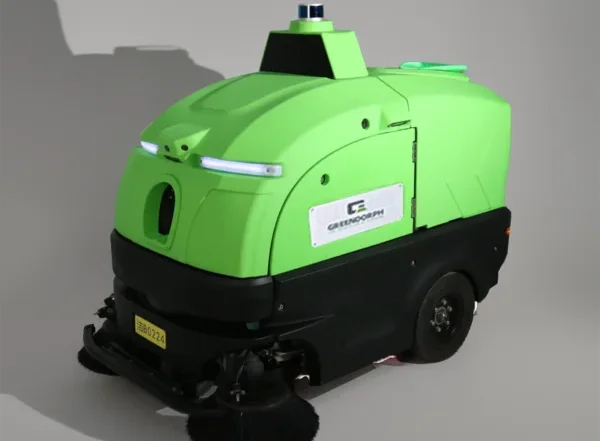
Our engineering team prioritizes optimizing internal drivetrain efficiency to support our electric sweeping vehicles deliver reliable 6-to-8-hour runtimes per charge. This extended operational life allows ground crews to complete extensive indoor and outdoor cleaning loops with minimal interruption. Minimizing energy draw across the electric motors keeps your daily utility expenses down while achieving exceptional cleanliness standards.
Prioritizing Technical Response Speed and Warranty Protection
Sudden equipment downtime can leave busy loading docks dirty, creating serious safety hazards and disrupting tight logistical production lines. Procurement teams must examine the true strength of a manufacturer’s backup network, ensuring that replacement parts are always available locally. A robust technical service infrastructure prevents minor mechanical issues from grounding your vital cleaning fleet for weeks at a time.
A comprehensive coverage plan and constant technical assistance provide essential operational security for demanding, high-output manufacturing plants. For instance, Greendorph guarantees 1 year warranty and complete assistance, thanks to specialized technicians available 24/7. This round-the-clock technical network responds to our dealers and our customers’ needs with priority, ensuring your fleet stays reliable and active.
Mitigating Fine Silica Dust Through Advanced Vacuum Filtration
Dry sweeping across concrete warehouse floors can launch massive dust clouds, creating immediate respiratory discomfort for your on-site workers. Advanced dust containment relies on multi-stage fabric filtration systems that trap fine silica and carbon soot securely inside the hopper. This precise filtration prevents micro-particles from escaping back into the room, protecting employee health and preserving delicate warehouse electronics.
Finding high-performance floor cleaning machines with sealed internal air paths is essential for maintaining strict indoor air quality standards. Our engineering team focuses on multi-stage filtration paths to help improve exhaust air quality during operation. Trapping micro-contaminants during daily cleaning loops keeps nearby assembly areas pristine while reducing the need for frequent building dusting.
Navigating Restrictive Facility Pathways with Agile Frame Designs
Narrow inventory aisles, tight assembly bays, and busy shipping entrances present major physical navigation obstacles for oversized cleaning machinery. Bulky utility vehicles risk striking structural support columns or blocking active doorways, causing expensive property damage and logistical delays. Plant managers require compact, highly agile machinery engineered to navigate around delicate manufacturing hardware and tight layout corners easily.
Our compact autonomous chassis designs incorporate advanced steering configurations that allow our heavy equipment to turn inside restricted spaces safely. Selecting a compact floor scrubber for sale enables thorough cleaning of narrow warehouse aisles with minimal disruption to daily production workflows. This spatial agility allows operators to clear dirt right up to the edge of concrete barriers and storage racks easily.
Conclusion
Executing successful B2B sanitation projects requires moving away from short-term purchase choices toward structured technical evaluations of machinery endurance. Incorporating low-emission, highly reliable electric sweepers allows properties to protect floor coatings, preserve local air quality, and lower annual repair costs. These smart utility vehicles deliver exceptional cleanliness consistency across expansive industrial zones while optimizing your long-term capital maintenance budgets. We are fully committed to engineering the robust, sustainable electric tools and providing the 24/7 technical support networks needed to keep global facilities running safely.