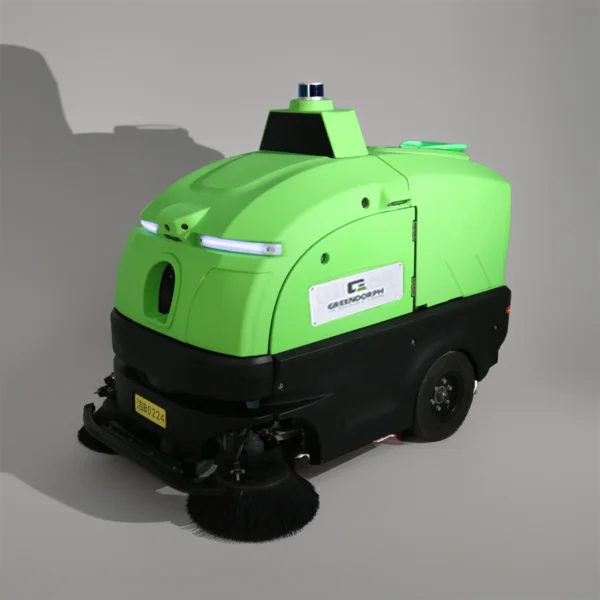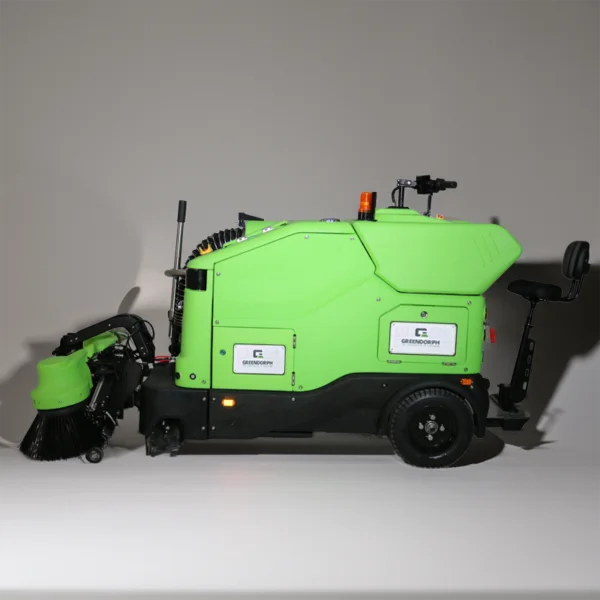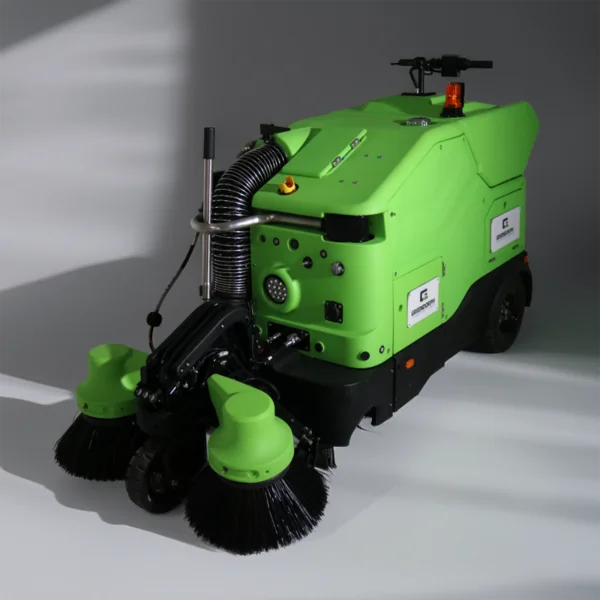
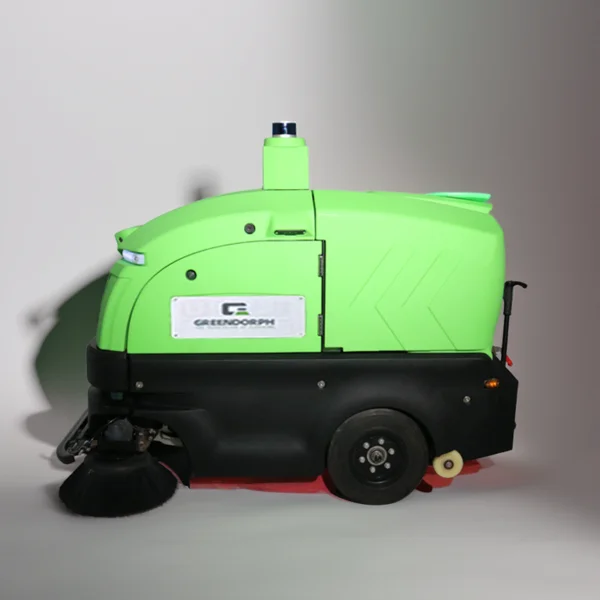
Evaluating floor maintenance equipment for sprawling warehouses, transit terminals, and corporate campuses requires analyzing several structural and mechanical variables. Large facilities naturally collect a dense layer of abrasive soil, windblown sand, and oily residues that compromise safety and erode delicate floor sealants. Utilizing an automated robot floor cleaner presents an efficient, data-driven approach to maintaining uniform friction across extensive floor plans.
Different floor textures—from polished terrazzo lobbies to rough, porous concrete loading docks—require highly targeted mechanical and chemical treatment processes. Relying on outdated manual mopping routines spreads microscopic contaminants rather than extracting them, leaving behind slippery water puddles and chemical streaks. Focusing on mechanical brush downpressure, moisture extraction physics, and battery duty cycles helps operations teams select highly reliable hardware.
Assessing Surface Friction and Mechanical Soil Extraction
Maintaining a high coefficient of friction on commercial pathways is essential for preventing slip accidents and ensuring pedestrian safety. Abrasive silica dust and spilled liquids act as micro-layers that break this vital contact, causing sudden traction loss. Mechanical scrubbing solves this issue by using high-torque rotating brushes to strip away these dangerous oily films instantly.
Selecting a robust automatic floor scrubber achieves thorough washing and drying for busy walkways in one streamlined operation. This steady mechanical friction breaks down stubborn surface oils and dried chemical grime instantly without scratching protective topical floor sealants. Our team focuses on these surface variables to help facility managers build highly effective, repeatable safety programs.
Standardized Water Recovery Stabilizes Long-Term Floor Material Health
Most commercial floor degradation stems not from heavy stains, but from residual moisture trapped repeatedly during daily cleaning cycles. Traditional mopping and basic scrubbers leave micro-residue water within concrete pores and tile gaps, gradually triggering floor coating peeling, material aging, and mildew growth over long-term operation. For large-scale commercial facilities, irregular water recovery becomes a hidden cause of shortened pavement service life.
Our robotic floor cleaning systems adopt calibrated synchronous water recovery technology. The matched squeegee and high-speed vacuum structure performs thorough residue water separation during every scrubbing pass. Rather than only eliminating temporary slip risks, this standardized dewatering process maintains dry, stable floor conditions long-term, protecting pavement materials and supporting consistent facility asset preservation.
Preventing Particulate Dispersion Through Sealed Wet Suppression
Dry sweeping across expansive building lobbies or open plazas often stirs up thick dust clouds, creating immediate respiratory discomfort. Advanced dust control relies on a balanced system that uses fine water misters to bind small particles together right before vacuuming. This wet-suppression mechanism traps fine concrete dust securely inside the collection hopper instead of venting it back into the breathing zone.
Advanced automatic floor scrubbers firmly contain intercepted microparticles inside the equipment throughout prolonged working periods. Multi-stage air filtration prevents fine particulate matter from escaping back into public environments, keeping the local air quality clean and healthy. Our design team prioritizes these sealed filtration paths to safeguard indoor environments and sensitive warehouse electronics.
Deploying Fully Autonomous Technology across Sprawling Layouts
Managing extensive acreage with a lean maintenance workforce requires a thoughtful shift toward intelligent fleet automation. Traditional human-guided sweepers often skip corners or pass over the same sections repeatedly, leading to uneven surface wear and wasted energy. Integrating high-precision spatial mapping sensors resolves this coverage issue by ensuring that every square meter of the property is systematically cleaned.
Equipped with multi-function systems, Greendorph robotic floor cleaners deliver consistent, high-efficiency cleaning across large areas with minimal labor, making them ideal floor cleaning robots for diverse environments. This reliable, automated performance delivers consistent cleanliness outcomes while keeping your daily labor allocation highly productive. Our autonomous setups handle navigation and obstacle avoidance on their own, requiring minimal manual supervision during active cleaning.
Adapting Multi-Functional Designs for Variable Facility Zones
Commercial estates often feature complex layout transitions, shifting from open-air concrete parking bays to highly polished indoor walkways. Managing these diverse areas traditionally required operating several different specialized utility platforms, which increased total machinery expenses. Transitioning to a single, highly adaptable utility vehicle streamlines facility operations and simplifies training requirements for ground crews.
Our technical designs are engineered specifically to bridge the gap between indoor and outdoor cleanliness needs. At Greendorph, we prioritize building versatile, multi-functional cleaning systems that adapt to different surface textures smoothly, ensuring uniform cleanliness across every zone. This versatile design allows a single unit to handle heavy outdoor litter and fine indoor dust with equal efficiency.
Simplified Mechanical Structure Unifies Fleet Management Standards
For enterprise-level fleet procurement, equipment consistency and unified servicing standards are core evaluation indicators. Traditional fuel cleaning devices feature heterogeneous and complicated mechanical structures, resulting in disjointed maintenance processes, varied accessory specifications, and difficult standardized fleet management. Disordered equipment systems greatly increase the learning cost of ground staff and the difficulty of daily asset management.
Our electric floor scrubber equipment adopts unified brushless direct-drive modular architecture. The highly standardized mechanical design minimizes diversified hydraulic and transmission structures, enabling unified accessory replacement, unified inspection standards, and simplified daily fleet management procedures. This structural standardization greatly reduces enterprise long-term management costs and improves the overall controllability of facility sanitation fleets.
Stable Electric Power Output Realizes Standardized Shift-Based Cleaning Quality
Large commercial facility sanitation relies heavily on shift-based repetitive operations, requiring stable and unified equipment performance in different time periods. Fuel-powered cleaning equipment suffers from variable power output due to fuel consumption, temperature changes and mechanical wear, leading to inconsistent cleaning effects between morning, afternoon and night shifts, which cannot meet standardized fleet operation requirements.
Optimized high-capacity battery modules deliver stable and uniform power output throughout the entire working cycle of 6–8 hours. The electric drivetrain maintains fixed brush torque, stable suction performance and consistent operating parameters in every shift. This uniform mechanical output realizes quantifiable, repeatable shift cleaning standards, helping commercial facilities form rigorous, standardized long-term sanitation operation systems.
Conclusion
Establishing a modern sanitation program across commercial properties requires shifting away from inconsistent manual sweeping toward smart, electric utility systems. Implementing a certified, highly maneuverable automatic floor scrubber allows property managers to protect floor coatings, control fine dust, and reduce moisture hazards.
These quiet, battery-powered vehicles deliver exceptional cleanliness consistency across expansive public plazas while reducing annual repair and labor expenses significantly. Our team remains fully dedicated to engineering the robust, sustainable electric tools required to support grounds crews and keep global facilities pristine.