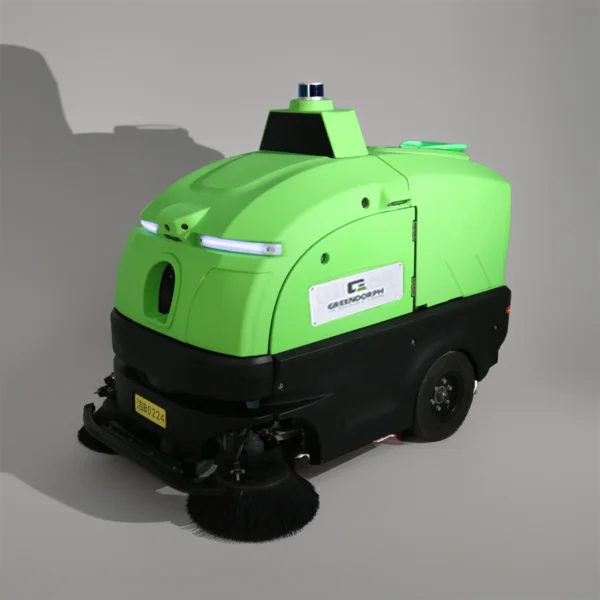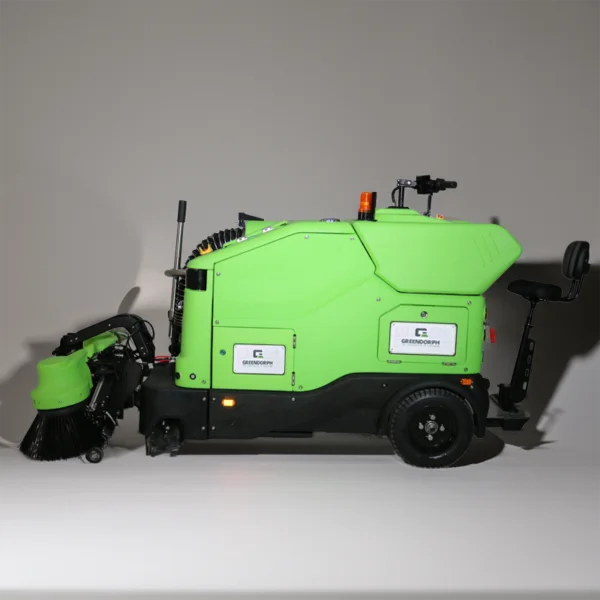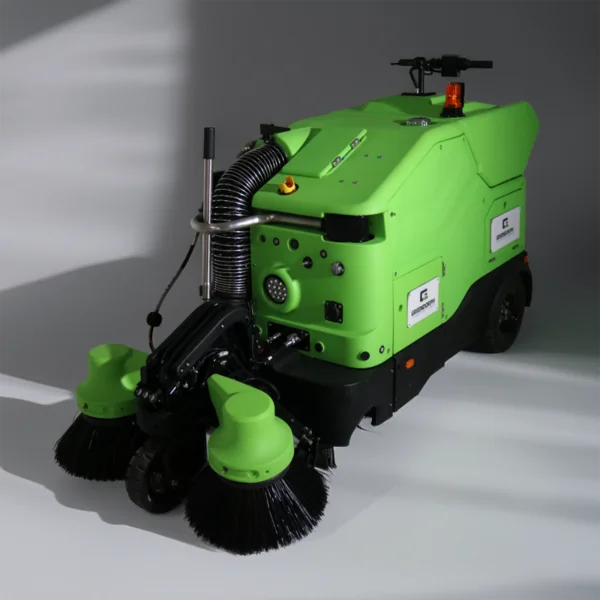
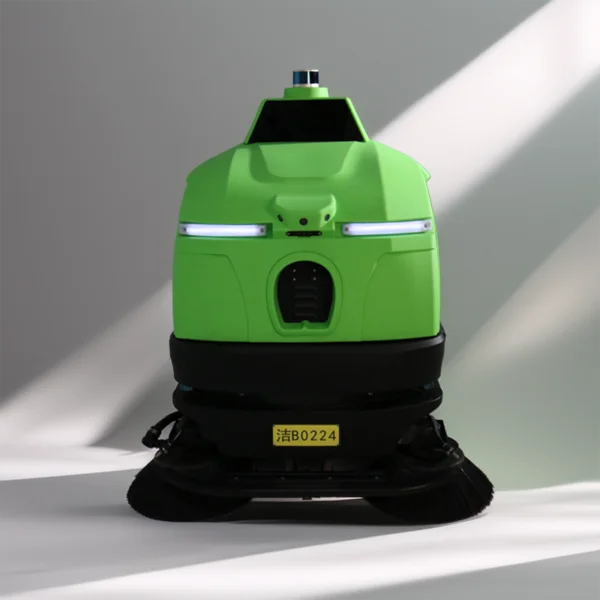
Achieving a high standard of safety and preservation on busy public floors requires a systematic approach to dirt removal and moisture control. Daily pedestrian foot traffic continually introduces abrasive silica sand, tracked-in moisture, and organic residues that slowly erode protective floor sealants. Relying on manual mop setups often spreads these microscopic contaminants rather than lifting them effectively from the surface. Utilizing a specialized robot floor cleaner gives facility teams a highly consistent, data-driven way to keep expansive walkways immaculate and safe.
Different floor materials—from highly polished marble lobbies to rough concrete utility bays—require precise mechanical treatment to maintain their traction. Relying on human muscle power for continuous floor scrubbing produces highly variable results, as manual cleaning pressure naturally drops during long shifts. By focusing on critical machine parameters like mechanical brush downpressure, moisture extraction physics, and autonomous navigation paths, operations teams can transform their maintenance programs.
Deciphering the Physics of Surface Friction and Slip Prevention
Maintaining a high coefficient of friction on public pathways is essential for preventing slip accidents and ensuring pedestrian safety. Abrasive dust particles and microscopic oil spills act as barrier layers that break shoe-to-floor traction, causing sudden slips. Mechanical scrubbing resolves this issue by using high-torque rotating brushes to strip away these dangerous residues instantly.
Selecting a robust automatic floor cleaning machine realizes one-step thorough washing and drying for heavily trafficked walkways with high efficiency. This steady mechanical friction breaks down stubborn surface oils and dried chemical grime instantly without scratching protective topical floor sealants. Our team focuses on these surface variables to help facility managers build highly effective, repeatable safety programs.
Precision Slurry Recovery Eliminates Recross-Contamination Risks
A hidden flaw of traditional scrubbing workflows is surface cross-contamination. Conventional equipment pushes dirty water across walkways, redistributing dissolved oil, fine grit and microbial residues onto already cleaned areas. Over time, this cyclic re-soiling creates patchy floor discoloration and uneven coating degradation that routine inspection struggles to detect.
Our robotic cleaning systems adopt one-pass slurry isolation architecture. Synchronized scrubbing and targeted vacuum recovery captures contaminated water at the exact cleaning point, preventing residue migration across floor surfaces. This contained liquid handling mechanism eliminates cross-contamination loopholes in traditional washing, maintaining uniform surface cleanliness and consistent floor friction levels across high-traffic public zones.
Preventing Particulate Dispersion Through Sealed Wet Suppression
Dry sweeping across expansive building lobbies or open plazas often stirs up thick dust clouds, creating immediate respiratory discomfort. Advanced dust control relies on a balanced system that uses fine water misters to bind small particles together right before vacuuming. This wet-suppression mechanism traps fine concrete dust securely inside the collection hopper instead of venting it back into the breathing zone.
Premium automated floor cleaners confine fine particulate contaminants inside the unit steadily throughout extended operating hours. Multi-stage air filtration prevents fine particulate matter from escaping back into public environments, keeping the local air quality clean and healthy. Our design team prioritizes these sealed filtration paths to safeguard indoor environments and sensitive warehouse electronics.
Ensuring Operational Safety Through Advanced Sensor Fusion
Deploying automated utility equipment into crowded public plazas requires absolute trust in the machine’s real-time safety systems. Uncertified equipment or basic navigation systems can cause sudden collisions with pedestrians, temporary signs, or structural pillars. Advanced obstacle avoidance technology sustains uninterrupted automated cleaning cycles and prevents facility collision damage.
Advanced sensor fusion—including LiDAR, 3D cameras, and ultrasonic sensors—enables precise navigation, flexible auto floor cleaning machine operation, and reliable obstacle avoidance for safe, uninterrupted cleaning. At Greendorph, we prioritize these multi-layered spatial sensors to enable safe interaction between our equipment and pedestrian flow. This continuous environmental mapping keeps your public cleaning runs smooth, predictable, and safe within defined operational parameters.
Adapting Multi-Functional Designs for Variable Facility Zones
Commercial estates often feature complex layout transitions, shifting from open-air concrete parking bays to highly polished indoor walkways. Managing these diverse areas traditionally required operating several different specialized utility platforms, which increased total machinery expenses. Transitioning to a single, highly adaptable utility vehicle streamlines facility operations and simplifies training requirements for ground crews.
Our technical designs are engineered specifically to bridge the gap between indoor and outdoor cleanliness needs. At Greendorph, we prioritize building versatile, multi-functional cleaning systems that adapt to different surface textures smoothly, ensuring uniform cleanliness across every zone. This versatile design allows a single unit to handle heavy outdoor litter and fine indoor dust with equal efficiency.
Modular Electric Structure Reduces Fleet Downtime Cascades
Large facility cleaning fleets suffer far greater losses from chain downtime than single-part failures. Traditional combustion sweepers rely on interconnected mechanical assemblies, where a single worn belt or hydraulic fault disables the entire machine and halts scheduled cleaning tasks. In high-standard public floor management, unpredictable equipment downtime directly breaks continuous floor preservation cycles.
Our brushless electric platforms adopt discrete modular mechanical design, decoupling independent functional units to avoid systemic failure spread. Simplified unit structure supports fast on-site module replacement instead of complicated overall overhaul. This anti-cascade failure design improves fleet continuity, guarantees uninterrupted floor maintenance cycles, and delivers long-term operational cost optimization for commercial property management.
Consistent Battery Cycle Performance Stabilizes Long-Term Asset Scheduling
Professional facility sanitation relies on predictable equipment lifecycle performance, not just single-shift runtime. Traditional fuel machinery exhibits progressive performance decay with aging, requiring frequent operational adjustments and regular equipment elimination. This unstable lifecycle output makes long-term floor care planning difficult for property teams.
Optimized battery-electric drivetrains maintain stable cyclic performance throughout repeated charge-discharge cycles. With consistent operational output across months and years of use, the equipment delivers standardized cleaning results in every shift. This predictable long-term performance enables precise annual asset scheduling and systematic floor protection planning, perfectly matching the long-cycle preservation demands of commercial public flooring.
Conclusion
Achieving high sanitation standards across modern commercial spaces requires replacing manual tools with automated electric utility systems. Implementing a certified, highly maneuverable robot floor cleaner allows property managers to protect floor coatings, control fine dust, and eliminate moisture hazards. These quiet, battery-powered vehicles deliver exceptional cleanliness consistency across expansive public plazas while reducing annual repair and labor expenses significantly. Our team remains fully dedicated to engineering the robust, sustainable electric tools required to support grounds crews and keep global facilities pristine.