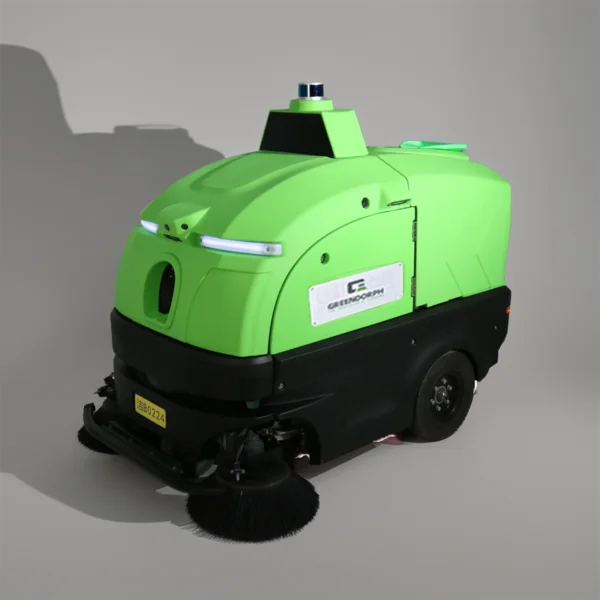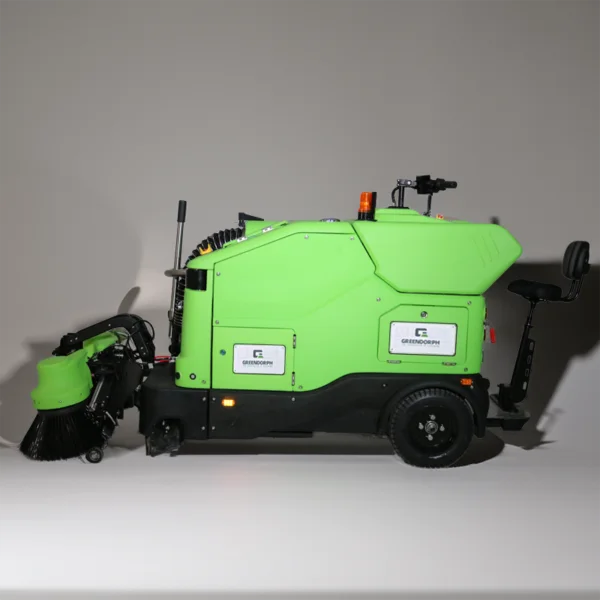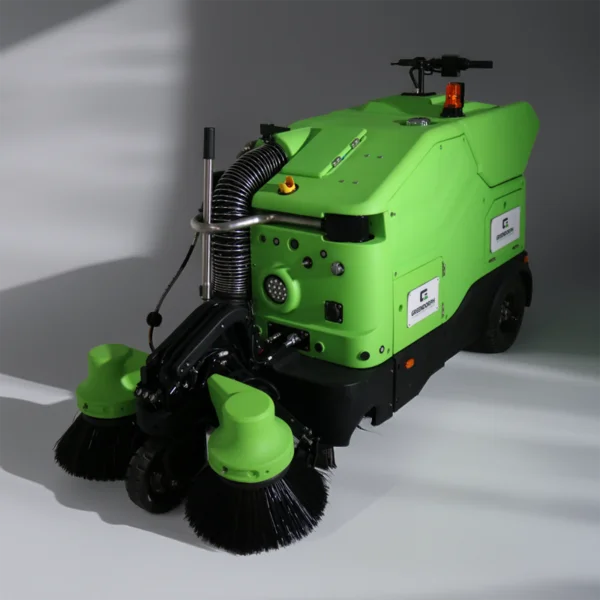
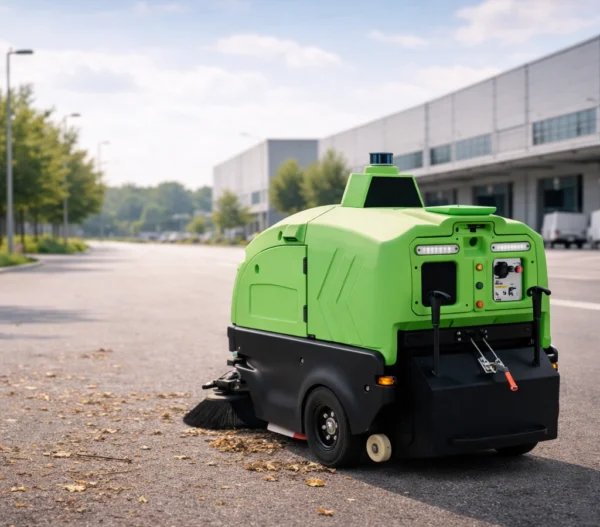
Industrial cleaning equipment can have different price ranges because each machine is designed for different working conditions. The cost is not only related to the machine itself but also depends on cleaning capacity, power system, structure, and maintenance requirements. For factories, warehouses, and outdoor areas, understanding these factors helps purchasing teams compare equipment more effectively.
A suitable cleaning machine should match the size of the area, the type of waste, and the expected working frequency. Looking at these details before purchasing can help businesses choose equipment that fits their daily operations.
Cleaning Capacity Influences Equipment Configuration
The cleaning capacity is one of the main factors affecting equipment cost. Machines designed for larger areas usually require wider cleaning paths, larger waste containers, and stronger operating systems. These features allow operators to cover more ground during each cleaning cycle.
For example, a warehouse with wide aisles may need equipment with a larger sweeping width, while a smaller facility may focus more on flexible movement. The required cleaning range directly affects the machine structure and related components.
When evaluating an industrial cleaning machine, businesses often compare cleaning efficiency with their site conditions. A machine that matches the working area can reduce repeated passes and help operators organize cleaning schedules more efficiently.
The type and amount of debris also influence the required configuration. Dust, packaging materials, leaves, and small industrial waste may require different brush systems and collection designs. These differences can change the overall equipment cost.
Power System Affects Operation and Investment
The power system is another important factor in equipment pricing. Different working environments may require different energy solutions, such as battery-powered or other drive systems. Each option has its own requirements for operation, charging, and maintenance.
Battery-powered equipment is often considered for locations where indoor operation and noise control are important. In contrast, some outdoor environments may require equipment designed for longer operation periods. The choice depends on how and where the machine will be used.
Operating time is also connected with cost. A machine expected to work for several hours each day may need a suitable battery capacity or power design. Businesses should review daily cleaning tasks instead of selecting equipment only based on initial price.
For companies planning to use floor sweepers industrial, energy consumption and operating habits are important parts of the evaluation process. These factors can influence the overall expense during the equipment’s service period.
Working Conditions Shape Machine Design Choices
The cleaning environment has a direct impact on equipment requirements. A factory floor with production waste may have different needs from a parking area exposed to outdoor dust and leaves. The same machine configuration may not be suitable for every location.
Floor material, space layout, and access conditions should be reviewed before purchase. Narrow passages, uneven surfaces, and large open areas may require different machine sizes and control methods. Choosing a suitable industrial cleaning machine depends on how well its functions match the working environment.
At Greendorph, we understand that industrial cleaning projects often involve different site conditions. Our equipment development considers practical application requirements, including cleaning environments, operation methods, and customer usage scenarios. We communicate with business customers to understand their needs before discussing suitable equipment options. For facilities comparing floor sweepers industrial solutions, factors such as dust conditions, cleaning frequency, and maintenance requirements should also be considered.
The surrounding environment can also affect component selection. For example, areas with frequent dust accumulation may require attention to dust collection and cleaning system design. These details influence both machine performance and future maintenance planning.
Maintenance Planning Changes Long-Term Cost
The purchase cost is only part of the total investment. Maintenance requirements, replacement parts, and daily care can affect the long-term operating expense of cleaning equipment.
Machines with practical maintenance designs can make routine checks easier for operators. Access to important components, replacement procedures, and service arrangements are all factors that businesses may review before making a purchasing decision.
A clear maintenance plan also helps extend the usable period of equipment. Regular inspection of brushes, filters, batteries, and other wear parts can reduce unexpected interruptions during operation.
For companies managing multiple facilities, maintenance consistency is especially important. Equipment with similar operation methods can simplify staff training and daily management. This is why many businesses consider long-term operation conditions when comparing different machines.
Evaluating Total Value Before Purchase
The cost of industrial floor sweepers for sale depends on multiple elements, including cleaning capacity, power design, working environment, and maintenance requirements. A lower purchase price may not always match the needs of a specific application if the equipment cannot handle daily cleaning tasks efficiently.
A practical evaluation should connect machine specifications with real working conditions. Businesses can review cleaning areas, operation time, waste types, and future maintenance plans before making a decision.
With experience in cleaning equipment development, Greendorph works with business customers to understand different application requirements. We provide equipment options based on practical cleaning needs and help customers review product details before planning their projects.
Selecting suitable cleaning equipment is a process that combines technical factors and operational goals. By considering the full cost structure instead of only the initial quotation, companies can choose solutions that fit their facilities and support stable cleaning operations over time.