Cleaning equipment costs are influenced by many factors, including machine structure, cleaning functions, automation level, and maintenance needs. For businesses planning outdoor or large-area cleaning tasks, understanding these elements helps them compare equipment based on actual working requirements instead of only looking at the purchase price.
A robot floor cleaner can include different technologies and configurations depending on its application. Features such as navigation systems, battery capacity, cleaning methods, and operating efficiency all affect the final cost. A suitable choice should match the cleaning environment, workload, and long-term usage plan.
Understanding the Main Factors Behind Equipment Cost
The technology used in a cleaning machine has a direct connection with its price. A basic cleaning unit may focus on simple floor maintenance, while an advanced model may include automatic movement, sensors, data functions, or multiple cleaning processes. These added functions require more components and engineering work.
When evaluating a robotic floor scrubber, buyers should consider the cleaning area and daily operation needs. Machines designed for larger spaces often require stronger motors, longer working time, and more durable structures. These factors can increase the initial investment but may reduce manual workload during regular cleaning tasks.
The cleaning method is another important factor. Different machines may use brushing, vacuuming, water spraying, or combined systems. Businesses should review whether the equipment can handle dust, debris, stains, and surface conditions in their specific locations.
Maintenance requirements also influence the overall cost. Easy access to replacement parts, simple operation processes, and practical maintenance designs can affect long-term ownership expenses. A lower purchase cost may not always represent lower total spending if frequent repairs or complicated maintenance are required.
How Cleaning Functions Influence Pricing
A cleaning machine with multiple functions usually involves more internal systems. For example, equipment that combines sweeping, vacuuming, water control, and dust management requires coordinated components to complete different tasks in one workflow.
We consider these factors when developing cleaning solutions for different environments. At Greendorph, we focus on practical designs that connect cleaning performance with daily operation needs. Our equipment development considers working conditions, user requirements, and maintenance convenience for commercial and public cleaning scenarios.
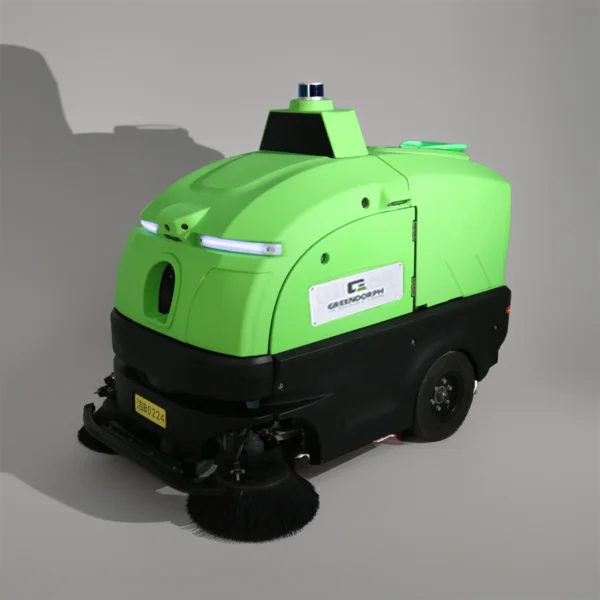
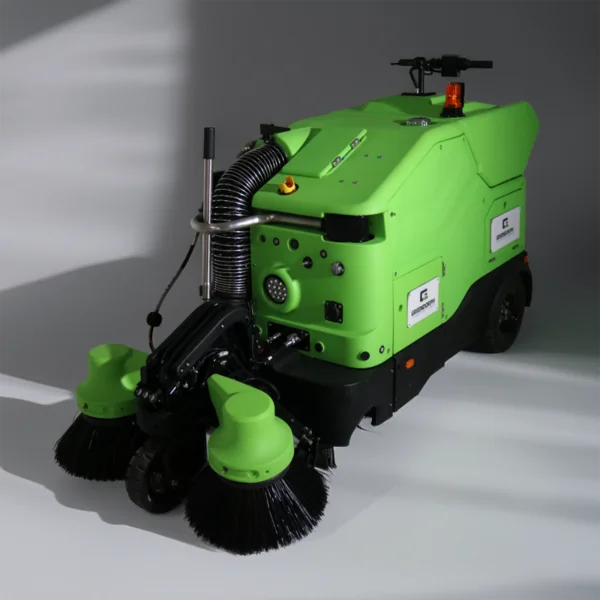
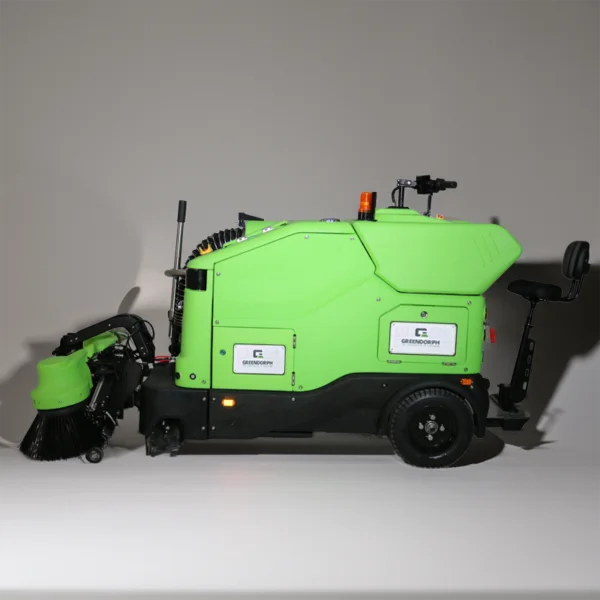
The Omniclean Urban Street Sweeper YJ80 is designed for various urban cleaning demands. It provides three operator-friendly modes, including manual ride on sweeper machine, auto-follow, and towed traction. These options allow cleaning teams to adjust operation methods according to different areas and working situations.
Its cleaning system combines high-pressure flushing, water-spray cleaning, turbine blowing, targeted tube collection, and dust-suppression misting. As a ride on vacuum sweeper, the YJ80 integrates several cleaning processes into one compact unit, helping operators handle different outdoor cleaning tasks with fewer separate tools.
Why Size and Application Range Matter
Equipment size is another factor that affects cost. Larger machines may provide wider coverage, but they may require more operating space and transportation planning. Compact designs can be useful for locations with narrow paths, pedestrian areas, or limited access points.
The YJ80 uses a compact structure that helps the floor sweeper ride on move through tighter spaces, including sidewalks, pedestrian plazas, parking structures, and medium-sized outdoor areas. This design focuses on balancing cleaning coverage and movement flexibility.
Before selecting equipment, buyers should review the actual cleaning environment. Factors such as surface type, debris volume, working hours, and available storage space can influence which configuration is suitable.
For example, a facility with regular dust accumulation may need stronger vacuum functions, while an outdoor public area may require better water management and mobility. A clear understanding of these needs helps buyers select equipment with appropriate functions rather than paying for unnecessary features.
Considering Automation and Long-Term Operation
Automation features can change the cost structure of cleaning equipment. Navigation systems, sensors, and intelligent controls require additional hardware and software development. However, these functions can help reduce repetitive manual work and improve operation planning.
A robot floor cleaner with suitable automation features can help businesses manage cleaning schedules more efficiently. The value of automation depends on the application environment, staff arrangement, and cleaning frequency.
For companies comparing a robotic floor scrubber, it is also important to review service support, product reliability, and future maintenance arrangements. These elements affect the equipment experience after purchase and can influence operational planning.
Greendorph provides cleaning equipment solutions for different application requirements and works with customers to understand project conditions. We pay attention to equipment functions, usage environments, and practical operation details. Customers can discuss their cleaning needs with our team to find a suitable configuration.
Making a Practical Cost Evaluation
The cost of cleaning equipment depends on more than the initial price. Functions, structure, automation level, application conditions, and maintenance needs all play a role in the final evaluation. Businesses should compare these points according to their own cleaning goals.
A careful review helps buyers understand which features bring real value to daily operations. By matching equipment capabilities with working environments, companies can make clearer decisions for future cleaning projects. Greendorph continues to develop solutions that focus on practical cleaning requirements and different user scenarios.