Outdoor cleaning equipment often works in areas with dust, leaves, small particles, and changing weather conditions. Over time, these factors may affect cleaning performance and machine operation. A regular maintenance plan helps operators identify problems early and keep equipment working according to daily cleaning requirements.
For businesses and organizations managing large outdoor areas, maintenance is an important part of equipment management. Proper inspections, component care, and operating habits can reduce unnecessary interruptions and help extend the service life of cleaning machines.
Regular Checks Keep Daily Cleaning More Stable
Before starting daily cleaning tasks, operators should complete basic inspections. Checking the brush system, waste collection area, wheels, sensors, and power condition can help find possible issues before operation begins.
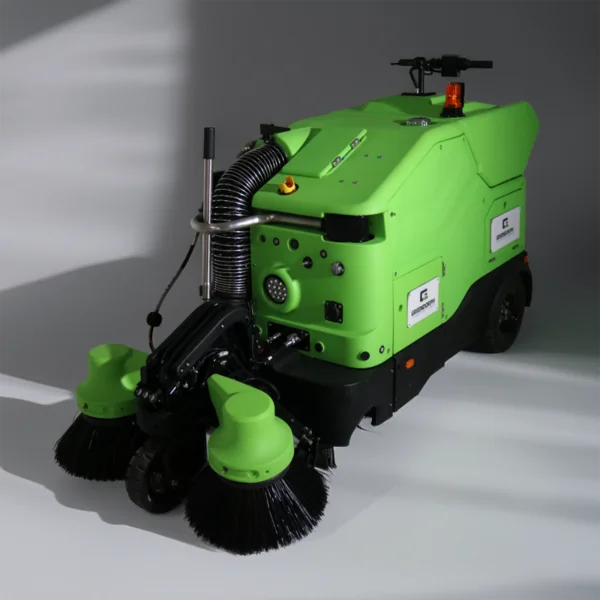
The brush system needs frequent attention because it directly contacts the ground surface. Dust and debris may remain between brush parts after repeated use. Cleaning these areas regularly helps maintain suitable contact between the brush and the cleaning surface.
The waste collection system should also be checked after operation. When collected materials build up inside the machine, airflow and cleaning efficiency may be affected. Removing remaining debris after each working cycle is a simple step that supports stable performance.
For a parking lot sweeper, regular inspection is especially important because outdoor surfaces often contain different types of waste. Maintenance routines should match the working environment, cleaning frequency, and operating hours of the equipment.
Caring for Core Systems During Long-Term Operation
Different cleaning functions work together during outdoor sanitation tasks. The suction system, airflow system, and spraying functions should be checked regularly because they influence how the machine collects dust and handles surface conditions.
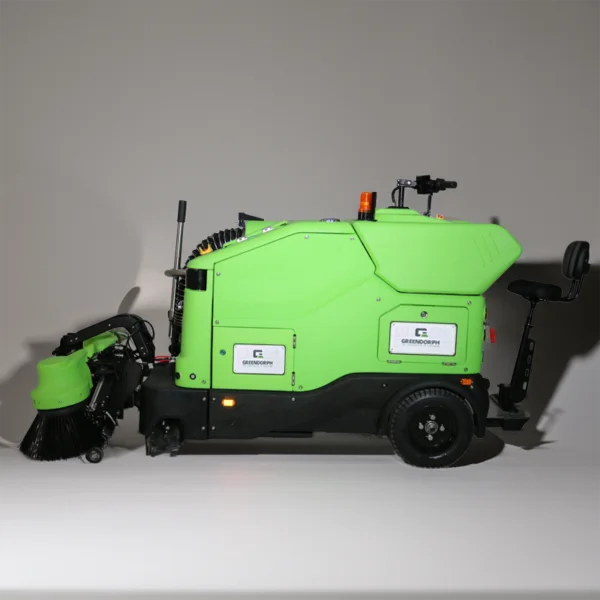
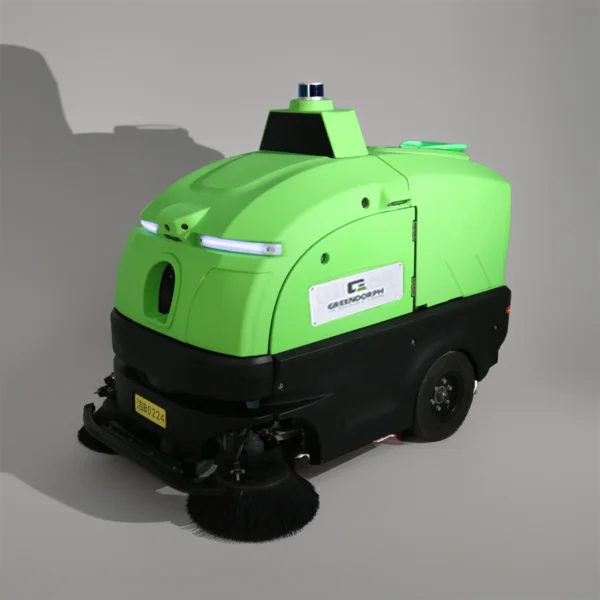
We consider maintenance requirements during product development and focus on practical outdoor cleaning needs. Our Auto Sweeper YJ130 is designed as a Fully autonomous outdoor sweeper with a primary cleaning system and three auxiliary functions: suction, airflow-assist, and misting spray.
The Auto Sweeper YJ130 can operate continuously for 6-8 hours and provides over 95% cleaning efficiency under suitable working conditions. It is designed for large-area outdoor sanitation in locations such as parks, industrial campuses, sidewalks, and schools.
During regular use, operators should follow recommended maintenance steps instead of waiting until performance problems appear. Simple actions, such as checking cleaning parts and removing collected waste, can help maintain normal operation.
Battery and Storage Management Affect Equipment Life
Power management is another important part of long-term equipment care. Operators should follow proper charging procedures and check battery conditions based on usage frequency. Stable charging habits can help maintain consistent working time during scheduled cleaning tasks.
Storage conditions also influence equipment performance. After completing cleaning work, the machine should be stored in a suitable area and protected from unnecessary exposure to moisture or harsh environments.
When equipment is not used for a period, operators should also review important components before the next operation. Checking power status, cleaning systems, and moving parts helps prepare the machine for future tasks.
For sites using garage sweepers, storage planning is also part of maintenance management. A suitable storage area and clear operating process can reduce damage caused by improper handling.
Creating a Maintenance Plan Based on Working Conditions
A useful maintenance schedule should include different levels of inspection. Daily checks can focus on cleaning parts and visible conditions, while weekly or monthly reviews can cover wear levels, system connections, and overall machine status.
Different locations create different maintenance needs. A machine working in a busy parking area may collect more dust and waste than one used in a quieter environment. Operators should adjust cleaning and inspection frequency according to actual conditions.
Maintenance records can also help teams manage equipment more effectively. Recording cleaning hours, replacement parts, and service activities allows operators to understand usage patterns and prepare future maintenance work.
At Greendorph, we develop outdoor cleaning solutions based on practical application requirements. Our equipment is designed for different outdoor environments, and we pay attention to cleaning functions, operating processes, and maintenance considerations during product design.
Improving Cleaning Efficiency Through Proper Equipment Care
Long-term equipment performance depends on both machine design and daily management. Even advanced cleaning systems require regular care to maintain their functions over time. A clear maintenance process allows operators to handle routine tasks in an organized way.
When selecting a parking lot sweeper, users should consider not only cleaning ability but also maintenance requirements. Equipment that matches the site conditions and has a clear care process can help teams manage outdoor cleaning work more effectively.
For organizations comparing garage sweepers, maintenance planning should be part of the evaluation process. Understanding component care, storage requirements, and inspection methods helps users make practical decisions for long-term operation.
Maintaining Performance Through Continuous Care
Outdoor cleaning equipment faces different challenges during daily operation. Dust, debris, working hours, and environmental conditions can all influence machine performance. Regular maintenance provides a practical way to manage these factors.
With suitable inspections and operating habits, cleaning teams can keep equipment in better working condition and reduce unexpected issues. Long-term use depends on consistent care rather than occasional repairs after problems occur.
Greendorph continues to focus on outdoor cleaning solutions and considers real working environments when developing equipment. By combining suitable cleaning functions with maintenance-friendly design, we help users manage outdoor sanitation tasks with a more organized approach.