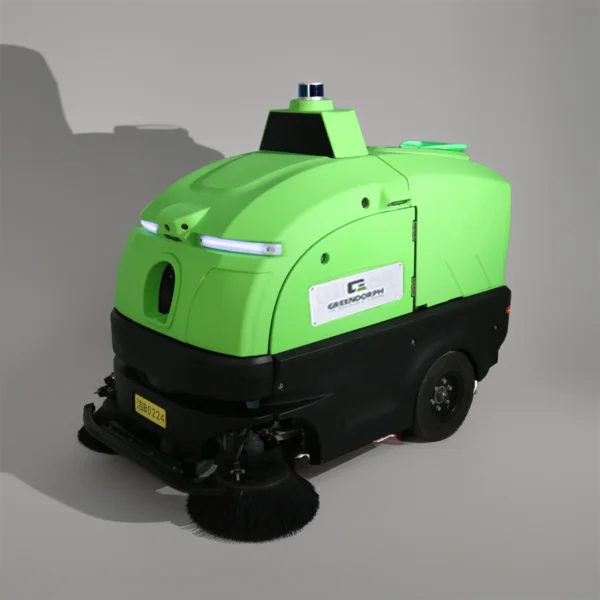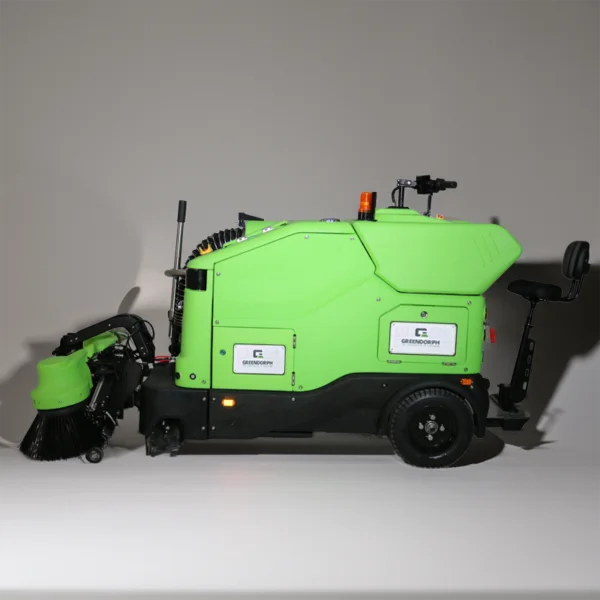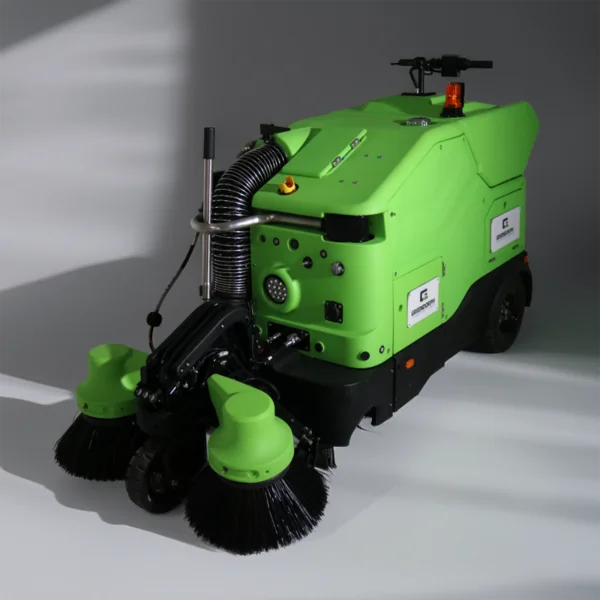
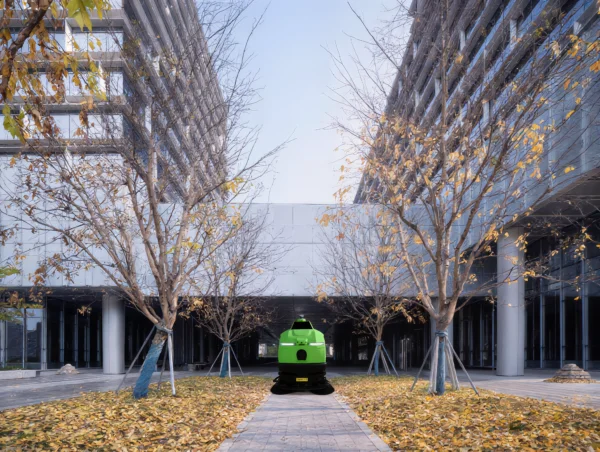
Heavy manufacturing facilities, brick processing yards, and complex logistics hubs face constant challenges with dust control, material spillage, and floor sanitation. Daily operations continuously deposit a fine layer of abrasive sand, seasonal leaf litter, and sticky residue across expansive concrete pathways. Conventional mechanical sweeping brooms often worsen local air quality by launching these micro-particles directly back into the surrounding breathing zones. Utilizing a dedicated industrial cleaning machine offers facility managers a reliable, structured methodology to handle these harsh environments smoothly.
Selecting the right utility setup requires analyzing specific physical principles, structural dimensions, and overall floor conditions. For instance, dry brick dust requires powerful vacuum systems to keep the air breathable, while oily warehouse floors demand deep liquid washing. By looking past basic product sheets to examine true field performance capabilities, facility procurement teams can design highly predictable cleanup programs.
Deciphering the Operational Mechanics of Wet Scrubbing Systems
Heavy-duty floor washers rely on applying water and detergent directly onto concrete before scrubbing the surface with high-torque brushes. This physical washing action breaks down sticky oil residues, tire marks, and dried chemical spills that dry sweepers cannot lift. Once the grime is suspended in water, a powerful squeegee assembly draws the wastewater back into a recovery tank.
Selecting a robust industrial floor scrubber enables high-traffic walkways are washed and dried in a single, efficient pass. This rapid drying action is critical for preventing slips, trips, and falls in active production areas where forklifts travel. Our engineering team focuses on maximizing water recovery to secure instant traffic safety for pedestrians and vehicles on cleaned floors.
Managing Dry Particulate Matter and Mitigating Heavy Dust Loads
Dry manufacturing plants, brick factories, and busy distribution warehouses face continuous challenges from abrasive silica dust, mineral shavings, and packaging waste. Mark, the Site Operations Manager at Austral Bricks’ Wollert Plant, oversees one of Victoria’s heavy manufacturing facilities. Like many plant managers operating industrial floor sweepers across high-output environments, Mark faces a challenge that goes well beyond routine housekeeping.
In high-output facilities, dry vacuuming is essential for capturing fine brick particles before they can become airborne. At Greendorph, we design our dry sweeping systems with multi-stage filters that trap microscopic particles securely inside the collection hopper. This precise containment prevents dust from settling back onto delicate assembly line electronics or posing respiratory risks to workers.
Navigating Narrow Warehouse Aisles with Compact Machinery Footprints
Restricted storage corridors, narrow shipping lanes, and busy assembly pathways present major physical obstacles for oversized cleaning machinery. Heavy utility vehicles risk colliding with structural support columns or blocking active production lines, causing expensive property damage and logistical delays. Plant managers require compact, highly agile machinery engineered to navigate around delicate manufacturing hardware and tight layout corners easily.
Our compact autonomous chassis designs incorporate advanced steering setups that allow the machinery to spin on a dime safely. For example, our specialized Greendorph Auto Sweeper YJ130 model is built to handle demanding outdoor and indoor environments seamlessly. This agile configuration allows the machine to clean right up to the edge of concrete barriers and access tight storage bays.
Energy-Efficient Electric Power Layout Enables Round-the-Clock Sanitation Planning
Industrial manufacturing and logistics sites follow non-stop shift arrangements, demanding cleaning equipment that can flexibly align with staggered production timetables. Fuel-powered cleaning units are limited by noise emissions and carbon output, restricting usable operating windows and disrupting integrated sanitation plans. Modern battery-electric drive systems break such constraints, supporting flexible cleaning operations without interfering with surrounding communities or onsite production workflows.
Equipped with high-energy-density battery packs, our cleaning equipment delivers 6–8 hours of continuous operation after each full recharge. Sufficient sustained runtime supports large-area indoor and outdoor cleaning routes with few unplanned halts. Greendorph optimizes every electric drivetrain for outstanding power utilization, enabling operators to implement stable, repeatable cleaning regimens that match uninterrupted industrial shift cycles.
Evaluating Surface Durability and Protecting Pavement Sealants
Decorative brick surfaces, polished concrete warehouse floors, and industrial pathways are highly vulnerable to aggressive cleaning brushes. Standard steel-wire bristles can scratch delicate surface coatings, stripping away protective sealants and accelerating concrete wear over time. Selecting flexible nylon or composite brushes helps reduce this physical degradation while still providing the friction needed for deep cleaning.
Integrating a high-performance industrial cleaning machine with adjustable brush pressure helps protect delicate floor coatings from wear. Our technical design team calibrates our scrubbing systems to clean floors thoroughly without grinding down the underlying concrete base. This gentle yet thorough cleaning approach helps you maintain pristine floors while avoiding expensive surface repair costs.
Streamlined Electric Architecture Cuts Lifecycle Servicing Costs for Industrial Floor Scrubber
Industrial cleaning equipment works constantly amid dust, chemical residues and heavy abrasion, creating harsh working conditions for conventional combustion sweepers. Intricate hydraulic piping, transmission belts and liquid storage assemblies wear rapidly under such environments, frequently triggering fluid leakage and unexpected shutdowns that inflate ongoing service expenditure. Direct-drive electric construction effectively mitigates these persistent operational pain points.
Fitted with brushless motor technology, our industrial floor scrubber removes redundant transmission components and cumbersome hydraulic structures. Fewer wearable components reduce routine servicing frequency and the risk of sudden failures. This refined mechanical layout enhances long-term operational stability, maximizes equipment uptime across production zones, and delivers measurable savings on yearly maintenance budgets for industrial operators.
Optimizing Labor Productivity Through Smart Fleet Automation
Persistent labor shortages and high employee turnover make it increasingly difficult for factories to maintain consistent daily cleaning schedules. Heavy manual sweeping is physically exhausting work, exposing cleaning personnel to harsh weather conditions and moving vehicle hazards. Upgrading to advanced, automated utility equipment helps bridge this labor gap, turning routine floor care into a highly efficient workflow.
Deploying smart autonomous machinery allows your valuable human staff to focus on complex building maintenance and safety. Our advanced automated systems handle navigation and obstacle avoidance on their own, requiring minimal manual supervision during active cleaning. This reliable performance fosters consistent cleaning outcomes while keeping your facility’s daily labor allocation highly productive.
Conclusion
Achieving high sanitation standards across industrial plants requires selecting versatile, electric, and robust cleaning equipment that preserves your flooring. Transitioning from manual cleaning routines to quiet, low-emission machinery improves employee safety and lowers long-term operational costs. These smart, battery-powered utility vehicles keep plant floors clean, protect local air quality, and dramatically reduce long-term maintenance expenses. At Greendorph, we are fully committed to engineering the robust, sustainable electric tools required to keep global industrial environments pristine and safe.