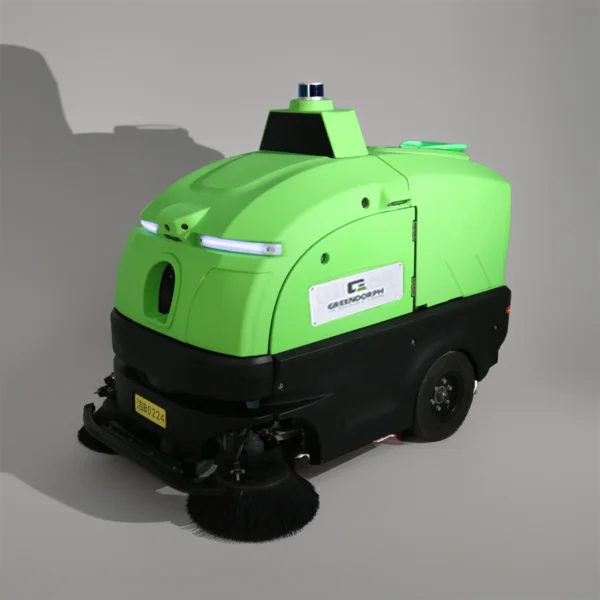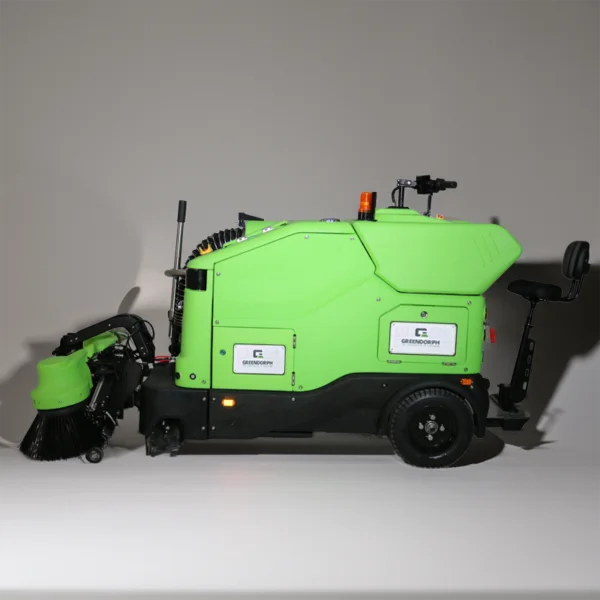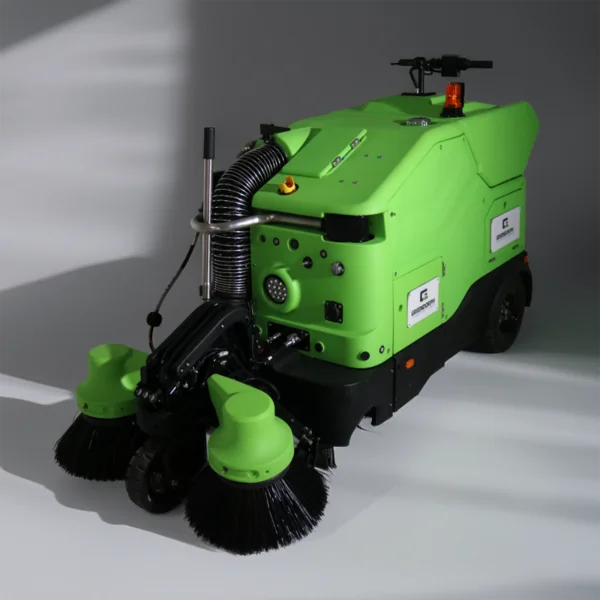
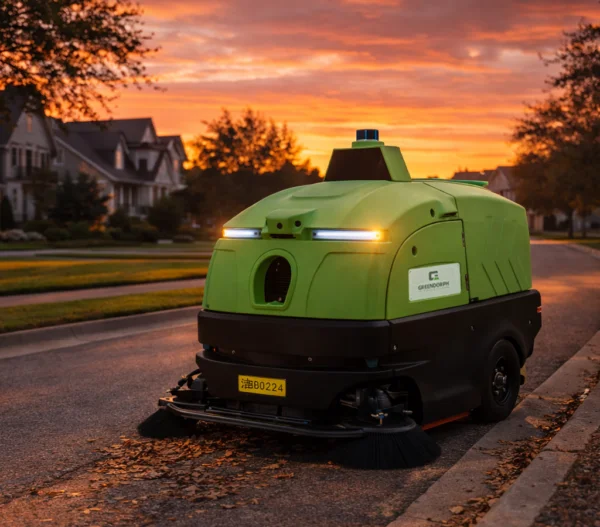
Preserving the structural baseline and visual standard of expansive shared pathways, residential plazas, and neighborhood walkways requires a highly organized maintenance framework. High-traffic outdoor zones continually accumulate complex layers of fine silica sand, organic materials, and wet leaf debris that trap moisture against stone foundations. Leaving these materials unmanaged lets them settle deeply into pavement crevices, where foot traffic grinds them down and speeds up structural surface wear. Utilizing a specialized residential floor scrubber machine offers neighborhood associations and property groups a reliable, uniform methodology to stabilize surface friction and protect paving investments.
Sprawling residential developments feature diverse architectural elements, from smooth concrete entrance bays to intricate, uneven brick courtyards. Hand-pushed tools and light consumer models lack the battery endurance, physical tank capacities, and brush widths needed to clear thousands of square meters each day. Property operations teams must closely analyze engineering parameters like mechanical fluid delivery, vacuum extraction physics, and multi-sensor autonomous path-planning.
Distinguishing Between Household Layouts and Open Commercial Ground
Communal residential developments present expansive open hardscapes and long public walkways that create heavy cleaning workloads that domestic vacuums cannot handle. It is important to emphasize that this class of cleaning robot is mainly applied to residential scenes such as communities and neighborhoods, focusing on outdoor environment cleaning operations, rather than being a household cleaning robot. Using small, low-capacity machinery engineered as an automatic floor scrubber for home use on these harsh pavements leads to rapid component failure and insufficient coverage.
Communal pathways require rugged structural framing and heavy-duty brush mechanisms to lift deeply embedded soil particles from rough, textured concrete surfaces. Smaller indoor units lack the heavy downpressure required to scrub porous materials or handle changing weather conditions effectively. Transitioning to dedicated commercial-grade utility vehicles supports thorough, continuous and safe sanitation for open public plazas while preventing overloading of lightweight equipment.
Harnessing High-Velocity Negative Pressure for Interlocking Joints
Clearing compacted soil, fine gravel, and organic leaves from textured paving blocks requires a precise balance of mechanical brush friction and focused suction velocity. While standard commercial sweepers frequently glide over deep brick grooves and leave hazardous dust layers and decomposing organic residues behind, modern utility equipment solves this problem with high-power vacuum motors built to extract hidden debris from deep pavement crevices.
Powered by a robust 500W vacuum motor, our advanced Greendorph Auto Sweeper YJ130 generates concentrated airflow to lift leaves and twigs from the uneven brick joints without damaging the surface. This specialized suction capability handles heavy outdoor tasks effortlessly, matching performance criteria that manual brooms often struggle to do consistently. At Greendorph, we design our intake channels to optimize air velocity, keeping your intricate paths clear and safe.
Targeted Particle Containment Supports Livable Residential Microclimates
Unregulated surface cleaning raises airborne particulate matter, which not only irritates residents but also gradually coats building facades, greenery and paved surfaces. Continuous dust fallout creates extra recurring upkeep burdens for property management teams. Targeted particle control relies on synchronised mist suppression and active suction, bonding loose fine debris before it drifts through open public zones.
Layered filtration architecture intercepts micro-sized pollutants as air circulates through the machine during extended community cleaning cycles. Fleets equipped with professional-grade residential floor scrubber units execute integrated cleaning and particle containment simultaneously. Our multi-tier filter configuration reduces dust recirculation, lowering secondary contamination and sustaining healthier ambient conditions across plazas and pedestrian corridors.
Mitigating Moisture Hazards via Optimized Fluid Extraction Mechanics
Leaving dirty wastewater puddles behind on busy residential sidewalks or building entrances creates immediate slip hazards for residents and reduces foot traffic safety. A highly efficient sanitation cycle relies on a heavy-duty squeegee assembly working in close sync with a powerful vacuum motor. This combination pulls the dirty slurry off the concrete effectively, leaving the walkway drier and ready for use.
Operating an advanced automatic floor scrubber for home properties is generally confined to small indoor spaces with simple drainage setups. For large communal environments, our commercial-grade vacuum systems generate high suction velocity, pulling water even from deep expansion joints and concrete crevices. This rapid moisture containment prevents slip-and-fall incidents, keeping daily community foot traffic moving safely and smoothly.
Streamlining Fleet Routing via Advanced Multi-Sensor Navigation
Tight courtyard corridors, narrow sidewalk paths, and busy building entrances present major navigation challenges for large utility vehicles. Bulky sweeping machinery risks colliding with decorative landscaping walls, blocking private doorways, or disrupting the peaceful neighborhood environment. Ground teams require compact, highly agile utility platforms engineered to navigate around delicate outdoor benches and unexpected path barriers smoothly.
Using a combination of LiDAR, 3D cameras, and ultrasonic sensors allows a modern machine to map its surroundings in real time. This advanced autonomous setup enables flexible obstacle avoidance, ensuring that the equipment moves safely around pedestrians and parked cars. We prioritize precise spatial tracking to keep community operations running smoothly without needing constant manual human steering.
Simplified Electric Drivetrain Design Delivers Stable Long-Cycle Community Service
Property sanitation plans depend on predictable equipment availability. Conventional combustion-powered sweepers contain dozens of interconnected transmission and hydraulic assemblies prone to accelerated degradation in dusty outdoor residential settings. Unexpected equipment faults disrupt fixed cleaning timetables and force property teams to deploy emergency manual labour, pushing operational expenditure upward.
Brushless direct-drive architecture removes redundant transmission components from our outdoor cleaning platforms. The streamlined mechanical layout cuts routine servicing frequency and limits potential fault points for year-round outdoor operation. Consistent equipment availability preserves fixed sanitation workflows across residential estates, stabilising fleet performance and delivering sustained savings on ongoing maintenance outlay.
Low-Emission, Low-Noise Power Architecture Enables Time-Flexible Estate Sanitation
Residential areas feature fluctuating pedestrian activity throughout the day, requiring cleaning operations to adapt to peak and quiet hours. Fossil-fuel cleaning vehicles generate noise and emissions, restricting work to narrow time windows and limiting the flexibility to tackle heavily soiled zones during low-footfall periods. Battery-electric platforms remove such constraints, supporting environmentally gentle cleaning operations across all scheduling windows.
High-density battery modules deliver 6–8 hours of stable continuous operation per full recharge. The sustained runtime allows ground crews to arrange cleaning routes around resident activity patterns and avoid peak pedestrian times. Optimised electric power utilisation enables property teams to build adaptive, low-disturbance long-term sanitation routines for large-scale residential hubs.
Conclusion
Establishing an efficient sanitation routine across large residential developments requires moving away from manual routines toward automated electric utility machinery. While standard consumer products fit simple indoor spaces, expansive common areas demand rugged outdoor platforms to handle heavy leaf accumulation and textured hardscapes. Transitioning your property workflows to low-emission battery power protects delicate stone pathways, improves local air quality, and lowers annual repair bills. We remain fully dedicated to engineering the high-performance, automated electric tools necessary to support grounds crews and keep global community environments pristine.