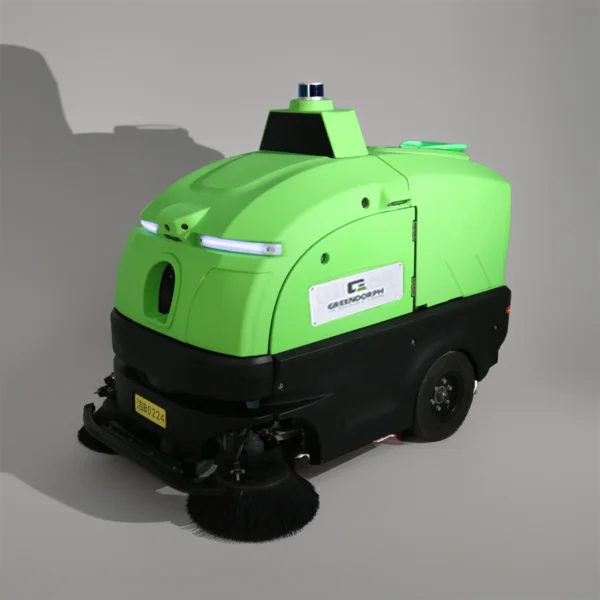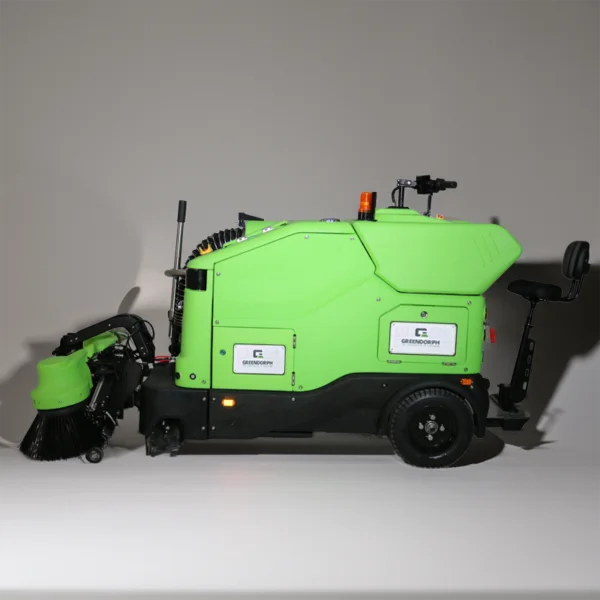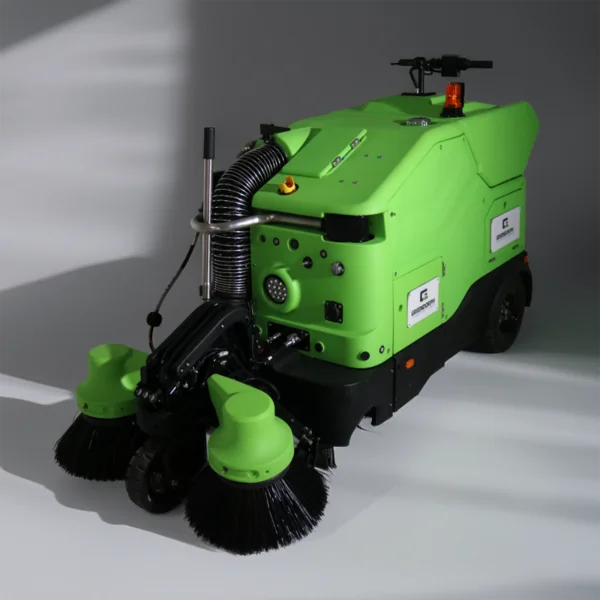
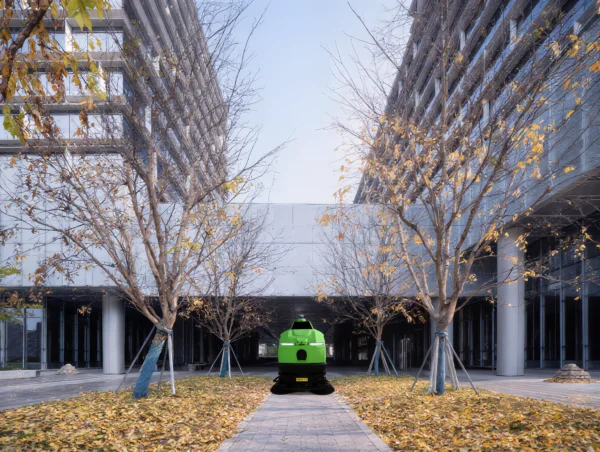
Maintaining pristine floors across expansive public and industrial settings requires balancing rigorous hygiene standards with daily operational budgets. Standard dust, liquid spills, and grit settle constantly on concrete and tile walkways, posing safety hazards if left unaddressed. Traditional manual sweeping and mopping configurations require extensive labor and frequent water changes, often causing notable downtime in high-traffic zones. Incorporating a specialized robot floor cleaner into your facilities workflow introduces a highly predictable and resource-efficient alternative to these traditional practices.
This ongoing shift in facility management highlights the practical balance between manual labor and automated mechanical output. Conventional floor scrubbers demand constant operator steering, manual water refilling, and physical effort to clean tough, greasy zones thoroughly. By comparing operational runtimes, physical agility, and water preservation features, decision-makers can identify which cleaning technology fits their facility’s needs.
Understanding the True Operational Costs of Labor and Automated Power
The ongoing recruitment and management of cleaning staff remains one of the largest budget challenges for modern commercial sites. High turnover rates and rising labor costs make long-term facility scheduling unpredictable and highly stressful for operations managers. Manual workers can also suffer from physical fatigue, which can lead to missed spots or inconsistent cleaning outcomes.
Transitioning to a smart robotic floor scrubber offers a highly predictable and significantly lower cost per operating hour. These automated systems execute precise path patterns with high consistency, covering large physical areas without requiring constant human oversight. At Greendorph, we design our equipment to run independently, helping properties lower their reliance on expensive manual labor. This automated efficiency supports your floors receive a deep, uniform clean every single night.
Comparing Water Conservation and Chemical Management Systems
Traditional wet-mopping and ride-on scrubbing methods can consume high volumes of water, requiring frequent stops to refill tanks. These frequent refilling trips waste valuable cleaning hours and generate substantial amounts of chemical wastewater that must be discharged. For regions facing strict local water preservation laws, high water consumption has become a major operational liability.
Modern automated units utilize smart, low-flow water distribution systems to maximize cleaning power while minimizing fluid waste. Our development team focuses heavily on reducing water waste during deep-cleaning runs to support local environmental sustainability goals. This careful fluid control helps floors dry quickly, minimizing the risk of pedestrian slips while protecting the local ecosystem.
Analyzing Long-Term Maintenance and Mechanical Complexity
Traditional commercial scrubbers feature complex manual levers, squeegee assemblies, and hydraulic lines that operate under tough, dirty conditions. This intricate mechanical design is prone to fluid leaks, hose blockages, and brush motor failures over years of operation. Sourcing replacement parts and finding specialized technicians to repair these manual machines adds another layer of administrative hassle.
Electric drivetrains simplify this mechanical footprint by replacing complex hydraulic systems with highly reliable brushless electric motors. At Greendorph, we prioritize simplified, robust mechanical architectures that keep our automated machines active on the job. Fewer moving parts translate directly to lower maintenance costs and a significantly longer operational lifespan for your cleaning equipment.
Examining Air Quality and Particulate Emission Control
Standard dry-sweeping equipment often stirs up fine particulate matter, sending dust floating directly into the facility’s breathing zone. This airborne dust settles back onto inventory shelves, clogs delicate HVAC filters, and worsens allergies for building occupants. Modern wet-scrubbing automation solves this issue by capturing fine dust inside closed hoppers and liquid tanks.
Using multi-stage filtration systems prevents microscopic particles from escaping back into your clean commercial environment. Our engineering focus centers on keeping indoor air clean and pleasant by sealing dust particles tightly within the machine. This dedicated focus on air quality makes automated floor care highly suitable for schools, hospitals, and busy public transport terminals.
Assessing Spatial Maneuverability in Tight Architectural Layouts
Large manual ride-on scrubbers are often bulky and wide, designed primarily for broad warehouse corridors and open aisles. These machines struggle to navigate tight office pathways, narrow checkout lines, or cluttered retail displays safely. Their large turning radiuses often force manual teams to follow behind with handheld mops to clean up missed edges.
Compact automated models offer incredible agility, turning on a dime to clean tight spaces that standard ride-on scrubbers cannot reach. For instance, our smart robot floor cleaner platforms use compact chassis geometries to sweep and scrub close to walls and corners. This precise steering design enables thorough cleaning along intricate floor edges in complicated layouts while easing operator fatigue.
Evaluating Battery Endurance and Continuous Run Times
Maintaining vast commercial properties demands steady, uninterrupted power to help cleaning routes are completed during single shifts. Traditional lead-acid batteries require high maintenance, take hours to charge, and degrade quickly under heavy workloads. Transitioning to advanced lithium iron phosphate batteries provides continuous energy output and supports rapid opportunity charging.
Our advanced battery configurations allow our automated fleets to run for up to 8 hours on a single charge. This extended runtime allows your team to schedule extensive cleaning routes without worrying about mid-shift power loss. At Greendorph, we prioritize high-density energy storage to help your facility maintain consistent, uninterrupted maintenance schedules.
Reviewing Quality Certifications and Operational Compliance
Deploying automated machinery alongside employees, visitors, or students requires strict compliance with international safety and quality standards. Uncertified equipment poses potential electrical and mechanical risks that can lead to operational liabilities or insurance complications. Facility managers must prioritize hardware that has undergone rigorous third-party testing to guarantee safe operation in crowded public zones.
Looking for industry-recognized certifications verifies the equipment meets strict mechanical and electromagnetic guidelines. We design our automated robotic floor scrubber units to meet rigorous safety benchmarks and comply with CE and RCM certifications. This international recognition gives facility managers peace of mind, knowing our machines operate safely in both indoor and outdoor environments.
Conclusion
The choice between traditional manual scrubbing machines and modern automated floor care represents a major turning point for facility maintenance. While manual equipment still holds value for localized spot cleaning, automated electric systems offer unmatched efficiency, consistency, and resource savings. Transitioning to quiet, low-carbon technology helps properties lower labor costs and water consumption while keeping operations highly reliable. At Greendorph, we are proud to provide the smart, reliable, and certified electric solutions needed to support clean, sustainable operations for commercial and industrial facilities.