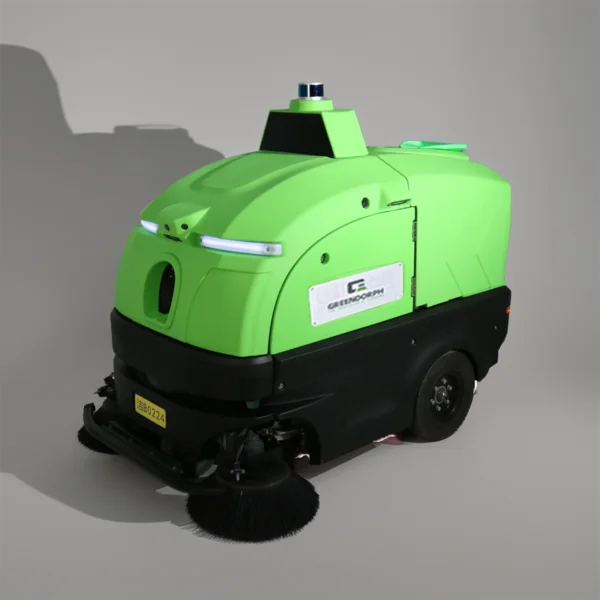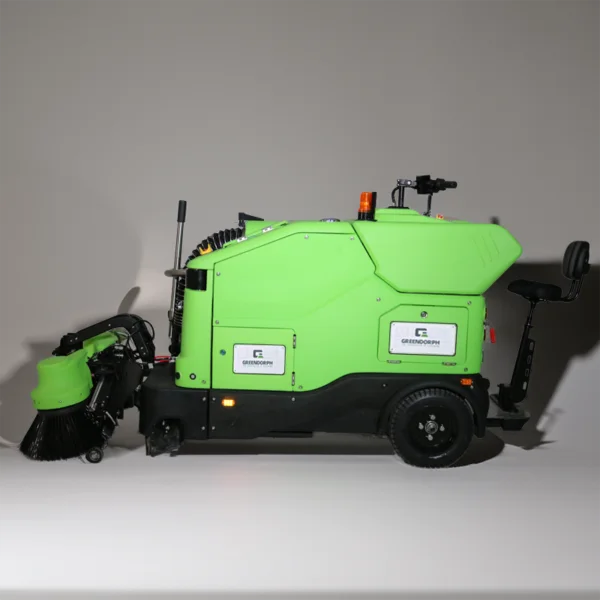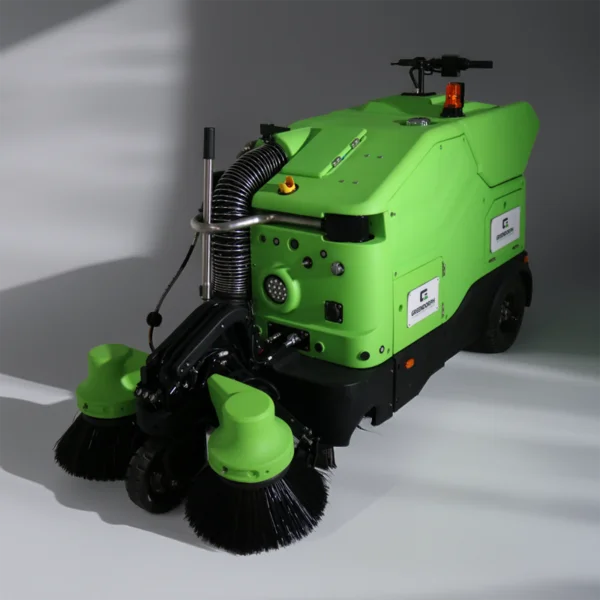

Large facilities often face different cleaning challenges compared with small spaces. Warehouses, workshops, logistics centers, and public areas usually have wider floors, higher traffic, and more frequent cleaning needs. Selecting suitable equipment requires attention to cleaning efficiency, operation methods, maintenance requirements, and the actual working environment.
When companies compare an industrial floor sweepers for sale, they should not only look at the machine appearance or basic functions. A practical evaluation should consider how the equipment handles dust, stains, floor materials, and daily cleaning schedules. The right choice can help reduce manual workload and create a more organized maintenance process.
Understanding Cleaning Needs Before Equipment Selection
Before choosing a floor cleaning solution, buyers need to review the conditions of their sites. Different locations may have different types of dirt, including dust, oil marks, production waste, or small particles. The cleaning method should match the environment instead of relying on a single machine type for every application.
Floor size is another important factor. Large areas often require equipment with suitable working width and operating efficiency. Narrow passages, storage areas, and production spaces may need more flexible designs that can move around obstacles and reach different sections of the floor.
An industrial cleaning machine usually combines several functions to handle regular maintenance tasks. Depending on the design, it may include sweeping, scrubbing, water control, and waste collection features. Buyers should review these functions based on their cleaning goals rather than selecting equipment only by appearance.
Key Features That Affect Daily Operation
Cleaning performance is closely related to the machine structure and working system. A suitable brush design can influence how effectively the equipment removes dirt from different floor surfaces. Water flow control and recovery systems also affect cleaning results because they help manage moisture during operation.
Battery capacity and operating time are important considerations for businesses that clean large areas. Longer working periods can reduce interruptions during cleaning tasks. However, charging methods, battery maintenance, and replacement costs should also be included in the evaluation process.
Operator convenience is another factor that should not be ignored. Controls, visibility, turning flexibility, and adjustment options can influence daily use. Equipment that matches the working habits of operators may help improve workflow and reduce unnecessary operation steps.
Comparing Equipment Types for Different Applications
Different facilities may require different cleaning approaches. Some environments need regular dust removal, while others require deeper floor washing because of stains or heavier traffic. Understanding these differences helps buyers compare machines based on actual site conditions.
For example, warehouses with wide pathways may focus on coverage and dust collection. Manufacturing areas may pay more attention to removing residue from the floor surface. Commercial buildings may consider noise levels and operation flexibility when arranging cleaning schedules.
When reviewing industrial floor sweepers for sale, companies should compare specifications such as cleaning width, waste capacity, power source, and maintenance requirements. These details can affect long-term operating costs and whether the equipment fits the planned cleaning routine.
How We Develop Practical Cleaning Solutions
At Greendorph, we provide cleaning equipment designed for different outdoor and industrial environments. Our approach focuses on combining practical functions with reliable operation requirements. We consider factors such as site conditions, cleaning frequency, and user needs when developing solutions for business customers.
Our equipment range includes solutions for different cleaning scenarios. Through product design and application experience, we aim to help customers evaluate suitable configurations based on their working conditions. This approach allows businesses to review equipment functions before making purchasing decisions.
Maintenance is also an important part of equipment selection. Regular inspection of brushes, filters, batteries, and other components can affect service life and daily performance. Clear maintenance planning helps operators manage equipment use more effectively.
Evaluating Maintenance and Long-Term Use
A cleaning machine is not only a purchase decision but also part of daily facility management. Buyers should consider spare parts availability, cleaning procedures, and operator training when comparing different options. These factors can influence the overall experience after installation.
Easy maintenance designs can reduce downtime during regular operation. Components that require routine checks should be accessible for inspection and replacement. A clear maintenance schedule also helps identify potential issues before they affect cleaning tasks.
Energy consumption and operating costs are also worth reviewing. Businesses can compare power requirements, water usage, and consumable replacement needs to understand the long-term impact of different machines. A balanced evaluation can provide clearer guidance during procurement.
Making a Suitable Choice for Different Work Environments
Selecting the right equipment requires a connection between machine features and actual cleaning requirements. Site size, floor material, dirt type, and operation frequency all influence the final decision. A detailed comparison helps buyers avoid choosing equipment based only on a single specification.
A suitable industrial cleaning machine should match the practical needs of the working environment. Companies can review technical information, operating conditions, and maintenance plans together to identify a more suitable option.
For businesses exploring cleaning equipment solutions, Greendorph provides product information and application guidance based on different usage requirements. By understanding cleaning conditions first, buyers can make more informed decisions and select equipment that fits their operational plans.