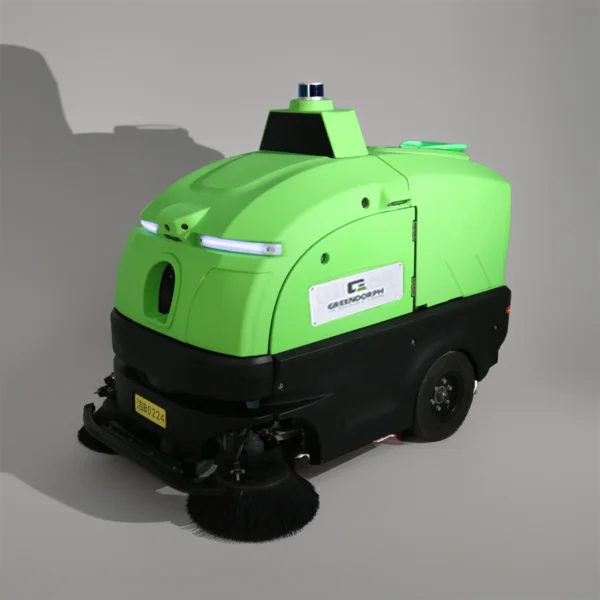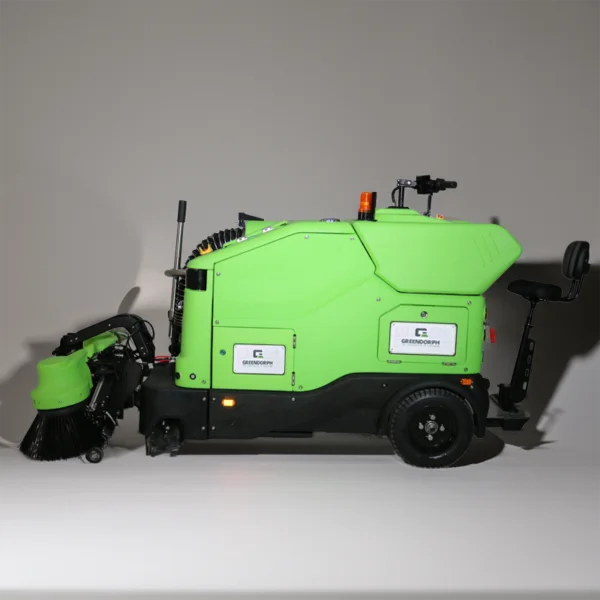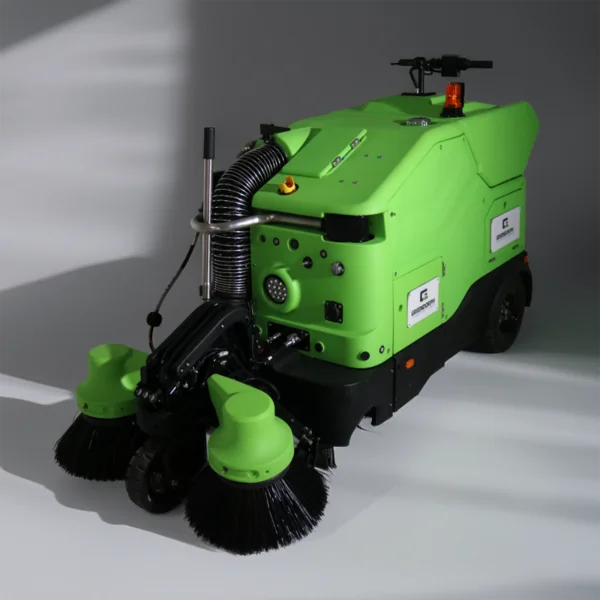
Modern supply chains rely heavily on the smooth, uninterrupted movement of goods through high-volume transit hubs. Within these fast-paced environments, massive amounts of dust, wood shavings from pallets, packing materials, and tire rubber accumulate rapidly on concrete floors. Allowing these fine particles to remain unchecked degrades air quality and creates slick surfaces that threaten forklift traction. Selecting a specialized warehouse floor sweeper is essential for maintaining safe, predictable, and compliant industrial flooring.
Every logistics facility features a unique floor plan, specific shelving heights, and varying levels of daily traffic. Standard manual broom methods fall short when tasked with clearing thousands of square meters of dusty surface area every day. Evaluating specific machine dimensions, filtration capabilities, and mechanical drive systems allows facility managers to implement a highly cost-effective maintenance strategy.
To streamline industrial debris management and select a high-performance warehouse cleaning solution, facility operators must prioritize five non-negotiable operational parameters. These critical metrics — flooring compatibility, maneuverability for narrow aisles, fine dust filtration efficiency, battery endurance, hopper capacity, and intelligent automation performance — serve as the core evaluation standard for large-scale distribution center cleaning equipment. Each parameter directly impacts workplace safety, daily cleaning efficiency, operational costs, and long-term facility maintenance quality. Mastering these key indicators helps logistics teams eliminate blind spots in floor cleaning, avoid equipment mismatch issues, and build a standardized, efficient, and low-cost full-time debris management system for high-traffic warehouse environments.
Analyzing Flooring Types and Friction Demands in Active Shipping Zones
Industrial distribution centers typically feature polished or sealed concrete flooring designed to withstand heavy, repetitive wheel loads. These glossy surfaces become incredibly slick when fine airborne dust or small plastic pellets collect in active driving aisles. Regular debris removal preserves the original surface friction coefficients, preventing costly forklift skidding accidents during fast turns.
Heavy sweeping brooms must match the specific hardness of the concrete sealants to prevent scratching or dulling the floor finish. At Greendorph, we focus on selecting highly adaptive brush compounds that lift fine embedded grit without causing structural surface wear. This precise mechanical matching keeps facility floors looking professional while protecting the long-term durability of expensive industrial sealants.
Evaluating Turning Radiuses and Chassis Dimensions for High-Bay Aisles
Narrow aisle configurations allow modern fulfillment facilities to maximize their vertical storage capacity and increase overall pallet counts. However, these tightly packed racking systems leave very little room for bulky, traditional cleaning vehicles to maneuver. A machine with a large turning radius risks colliding with steel rack supports, creating severe structural safety hazards.
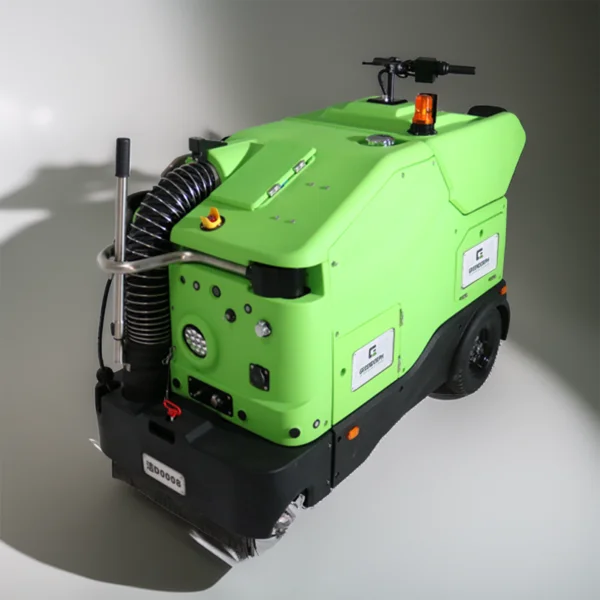
Opting for a compact warehouse sweeper helps cleaning teams can safely access tight storage corridors without stopping stock operations. Our team designs highly agile chassis layouts featuring tight turning geometries that sweep close to rack corners. This compact maneuverability helps hidden spaces collect dust, preventing small particles from drifting onto stored retail inventory.
Understanding Fluid Dynamics and Fine Dust Filtration Systems
Sweeping high-volume industrial environments often stirs up fine particulate matter, forcing microscopic dust back into the facility’s breathing zone. High-efficiency dust control requires a sophisticated negative-pressure vacuum system coupled with advanced filtration membranes. This mechanism traps fine dust inside the machine hopper instead of allowing it to settle back onto high-level racking.
Heavy-duty polyester and cellulose filter media deliver stable capture of fine concrete dust while avoiding mid-operation blockages. All units are fitted with automatic filter shaking assemblies, which remove accumulated dust from filter pleats while the sweeper remains in working condition. Ongoing filter maintenance preserves consistent vacuum suction, sustaining good air quality inside high-flow logistics warehouses.
Comparing Battery Chemistries and Continuous Running Times
A busy logistics facility operates around the clock, meaning that maintenance machinery must deliver reliable performance across multiple consecutive shifts. Traditional lead-acid batteries require extensive charging cycles, regular watering maintenance, and dedicated ventilation rooms to handle outgassing. Transitioning to advanced lithium-ion energy storage systems reduces these administrative maintenance burdens while boosting daily operational readiness.
Modern lithium-ion batteries support rapid opportunity charging during scheduled worker breaks, keeping the machine available whenever needed. For example, our specialized YJ80 model provides up to 8 hours of continuous cleaning performance on a single charge. This extended operational window allows cleaning teams to complete expansive facility loops without experiencing frustrating mid-shift power drains.
Assessing Waste Hopper Capacity and Discharging Mechanisms
The physical volume of a machine’s collection hopper dictates exactly how long it can work before needing to empty. Small hoppers force operators to make frequent trips to central waste dumpsters, wasting valuable maintenance hours on transit. Balancing overall machine size with an optimized hopper volume supports high productivity across expansive industrial floor plans.
Smart ergonomic designs feature high-dump waste mechanisms that elevate the hopper to discharge debris directly into large commercial dumpsters. At Greendorph, we prioritize automated dumping systems that minimize manual lifting and reduce operator exposure to airborne waste dust. This specialized handling approach keeps daily waste disposal swift, clean, and seamless for facility staff.
Mitigating Noise Levels to Protect Facility Staff
The enclosed acoustic environment of a large metal warehouse easily amplifies loud mechanical noises, increasing the risk of operator fatigue. Conventional internal combustion sweepers produce high decibel levels that disrupt warehouse pickers and interfere with essential voice-directed inventory systems. Moving toward quiet electric propulsion systems protects the long-term health and hearing of the average warehouse team.
A quiet, battery-powered warehouse sweeper operates smoothly in the background without drowning out localized forklift horns or emergency alarms. We focus on integrating insulated electric blowers to keep operational noise levels remarkably low during deep cleaning tasks. This quiet performance allows facility managers to run cleaning shifts simultaneously alongside normal inventory operations.
Optimizing Automated Workflows and Staff Allocation
Finding and training reliable personnel for demanding, repetitive facility maintenance roles remains a major operational hurdle for logistics providers. Introducing smart autonomous technology changes how teams manage these tasks, turning routine floor cleaning into a hands-free workflow. This shift allows valuable team members to focus on complex inventory management and shipping logistics instead.
Our intelligent sweeping equipment redefines industrial cleaning efficiency with cutting-edge robotic core technology. Equipped with adaptive path planning and intelligent multi-sensor obstacle avoidance systems, our sweepers independently identify facility layouts, automatically adjust cleaning routes according to real-time on-site conditions, and cover all dead corners such as aisle edges and shelf bottoms without manual intervention.
This unmanned intelligent operation mode eliminates cleaning inconsistencies caused by human fatigue or operational differences. It enables 24/7 stable, standardized floor debris management for distribution centers, helping logistics enterprises reallocate human resources to core business links such as order processing and cargo scheduling, thereby comprehensively improving overall operational efficiency and reducing labor costs.
Conclusion
Selecting the right equipment for a high-capacity logistics center requires a careful review of aisle widths, dust filtration needs, and battery life. While standard manual sweeping fails to keep up with large facilities, compact electric sweepers offer the precise agility and heavy-duty suction required. Upgrading to advanced, low-noise machinery keeps your floors safe, improves indoor air quality, and lowers long-term operational costs. At Greendorph, we are dedicated to building smart, reliable cleaning solutions that help your logistics facility run safely, sustainably, and efficiently.