Urban spaces keep expanding, demanding more agile, quiet, and sustainable maintenance methods. For decades, massive combustion-engine cleaning trucks dominated municipal and industrial roadways. While these diesel-powered giants offered brute force, they also introduced substantial noise, high emissions, and costly maintenance schedules. Today, facility managers and municipal buyers face a pivotal decision: continue relying on conventional heavy-duty systems or transition toward modern electric alternatives.
This shifting landscape highlights the balance between raw engine power and smart operational efficiency. Heavy diesel trucks require complex hydraulic systems, massive fuel reserves, and frequent mechanical overhauls. In contrast, modern electric configurations streamline the mechanical footprint, using direct electric drives to minimize energy loss. By comparing operational costs, physical agility, and environmental impact, decision-makers can determine which technology truly aligns with their long-term facility goals.
Understanding the True Operational Costs of Fuel and Electricity
The ongoing expense of diesel fuel remains one of the largest budget drains for conventional fleet operations. Fluctuating fuel prices make annual budgeting unpredictable for public works departments and private contractors. Heavy utility trucks consume high volumes of fuel not just for propulsion, but to continuously run hydraulic pumps, large debris fans, and heavy sweeping brooms. This constant fuel draw makes daily operation an expensive endeavor.
Transitioning to an electric street sweeper offers a highly predictable and significantly lower cost per operating hour. Electric motors utilize energy with far greater efficiency than internal combustion engines, converting nearly all battery power directly into mechanical work. At Greendorph, we design our systems to maximize this electrical efficiency, helping operators lower their energy consumption dramatically. These savings accumulate rapidly over months of daily, multi-shift cleanings across expansive industrial or commercial sites.
Assessing Long-Term Maintenance and Mechanical Complexity
Traditional diesel sweepers are incredibly complex machines, packed with hydraulic lines, fluid reservoirs, drive belts, and exhaust filtration systems. This intricate web of parts operates under harsh, dusty conditions, leading to frequent leaks, component wear, and unexpected downtime. Finding specialized technicians to repair these aging diesel systems adds another layer of administrative headache and expense.
By eliminating the internal combustion engine, an electric street vacuum sweeper bypasses these common mechanical pain points. Brushless electric motors contain very few moving parts, which means there are no spark plugs to swap, oil filters to replace, or hydraulic seals to burst. We focus on building highly durable, simplified electric architectures that keep machines active on the job. Fewer moving parts translate directly to reliable performance and minimal maintenance costs over the equipment’s lifespan.
Examining Air Quality and Particulate Emission Control
Large diesel trucks release significant amounts of carbon dioxide, nitrogen oxides, and fine particulate matter directly into the areas they clean. This creates an awkward paradox where a machine meant to clean a community is simultaneously polluting its air. For indoor industrial zones, covered parking structures, or highly populated public parks, operating a diesel-powered vehicle is increasingly restricted.
Electric alternatives produce no tailpipe emissions during operation, which can help improve air quality in the working environment. Modern battery-powered units, such as our smart cleaning models, use specialized multi-stage filtration to trap fine dust. At Greendorph, we prioritize environmental health by pairing low-emission electric powertrains with highly efficient water-spray dust suppression systems. This combination keeps local air clean, pleasant, and essentially free of exhaust fumes.
Noise Pollution Challenges in Quiet Zones and Residential Neighborhoods
The roar of a large diesel engine, combined with the whine of hydraulic systems, makes traditional cleaning trucks incredibly noisy. This high-decibel output limits their operation to specific daytime hours to avoid disturbing residents, hospital patients, or hotel guests. Consequently, scheduling cleaning routines around peak traffic and business hours becomes a logistical nightmare.
Electric utility options operate with a fraction of the noise, allowing for flexible scheduling any time of day or night. A low-noise street vacuum sweeper can quietly navigate campus paths or hotel grounds early in the morning with less disturbance. We build our equipment with quiet, high-efficiency electric blowers and acoustic insulation to keep noise levels down. This quiet operation allows managers to schedule cleaning operations more flexibly.
Evaluating Spatial Maneuverability in Constrained Urban Layouts
Traditional cleaning trucks are bulky, wide, and heavy, designed primarily for broad municipal highways and wide-open lanes. They struggle when forced to navigate tight alleys, narrow bike lanes, pedestrian walkways, or cluttered industrial plazas. Their large turning radii often leave corners untouched, forcing manual crews to follow behind and clean up the missed spots.
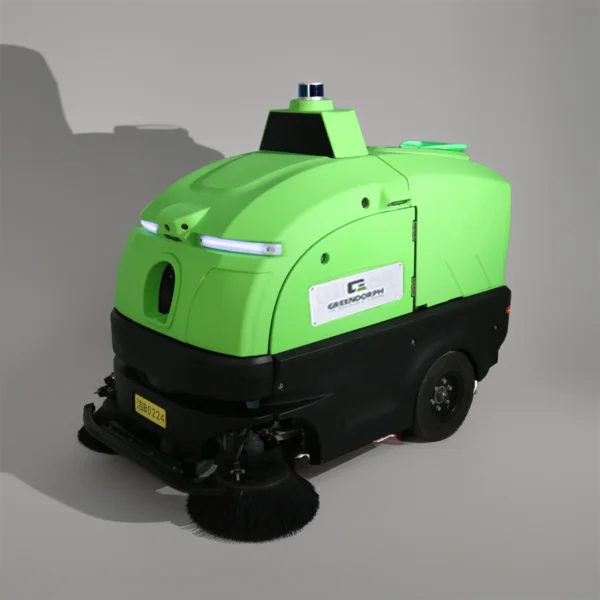
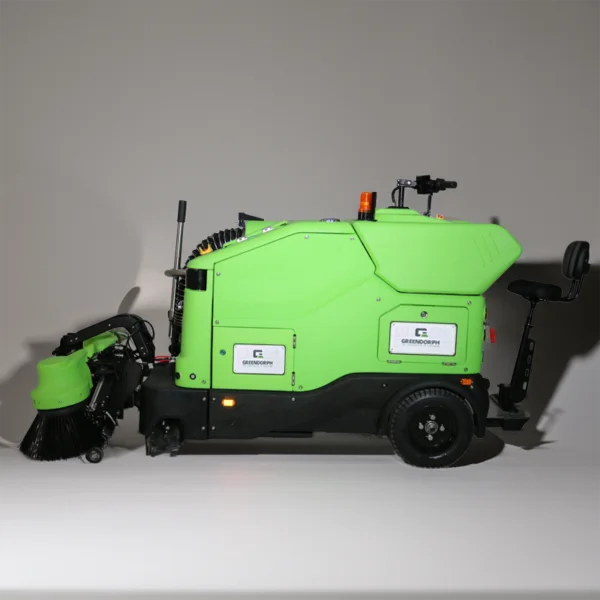
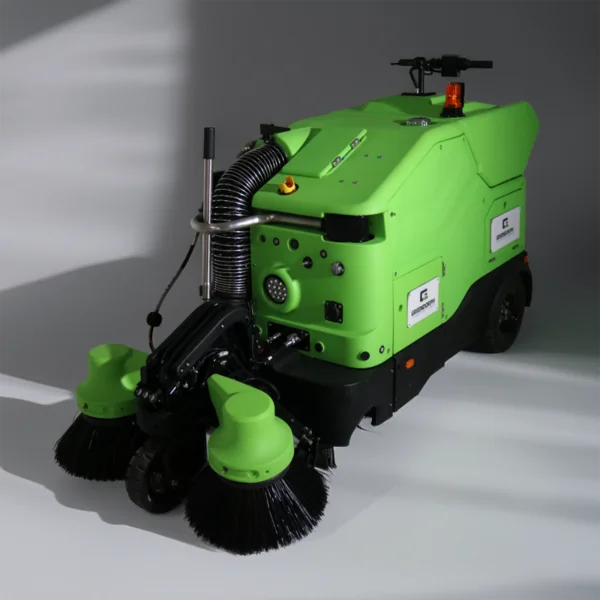
Compact electric units offer incredible maneuverability, easily slipping into tight spaces that heavy trucks cannot hope to reach. For instance, our smart Greendorph YJ130 model features a highly agile dual-wheel differential drive system. This compact design allows the unit to sweep close to walls, navigate tight corners, and clean narrow pathways with ease. Instead of struggling with tight spaces, compact electric units effortlessly maneuver around obstacles to keep every corner clean.
Comparing Water Preservation and Debris Management Systems
Standard sweeping trucks often use high-pressure water sprays to keep dust down, which can deplete their large onboard water tanks very quickly. Refilling these massive water tanks multiple times per shift wastes valuable time and squanders vast amounts of clean water. For regions facing water restrictions, this high rate of water consumption is becoming a serious operational liability.
Modern electric sweepers use smart, closed-loop water systems to minimize waste during long cleaning runs. By combining targeted mist sprays with high-efficiency vacuum suction, these units capture fine dust using very little water. At Greendorph, we focus on minimizing both water waste and chemical runoff to support our B2B partners’ sustainability efforts. Our sustainable approach protects local water resources while ensuring thorough dust control on every run.
Analyzing Labor Allocation and Modern Automated Workflows
Operating traditional sweeping trucks requires a steady supply of licensed, highly trained drivers, who are increasingly difficult to recruit and retain. When operators are unavailable due to labor shortages or illness, cleaning operations may be delayed, leaving facilities unkept. Additionally, long hours spent driving heavy machinery can lead to operator fatigue, increasing the risk of accidents.
Integrating autonomous technology changes how facilities manage their cleaning workflows, allowing staff to focus on more complex tasks. Our advanced Greendorph YJ130 robot automates the whole cleaning process, complete with self-charging, auto-water filling, and automatic waste dumping. Our goal is to provide tools that make cleaning safer and smarter, helping your team run consistent, worry-free maintenance programs. This shift to smart automation helps your facility stays clean and runs smoothly, even during labor shortages.
Conclusion
The choice between traditional diesel trucks and modern electric street sweeper fleets marks a major turning point for the cleaning industry. While conventional diesel trucks still hold value for massive highway projects, electric units deliver unmatched efficiency, agility, and savings for commercial and urban spaces.
Transitioning to electric equipment with zero tailpipe emissions during operation can help reduce fuel use and maintenance requirements while keeping operations reliable and environmentally friendly. At Greendorph, we are proud to lead this green transition, providing smart electric solutions that make daily facility maintenance cleaner, quieter, and far more efficient.