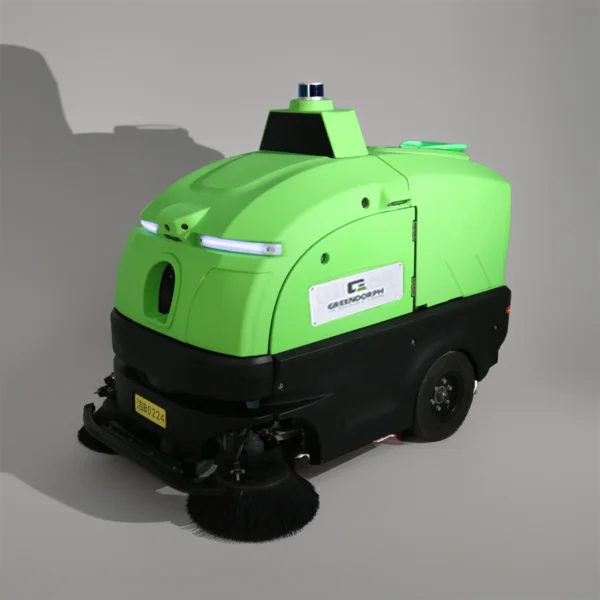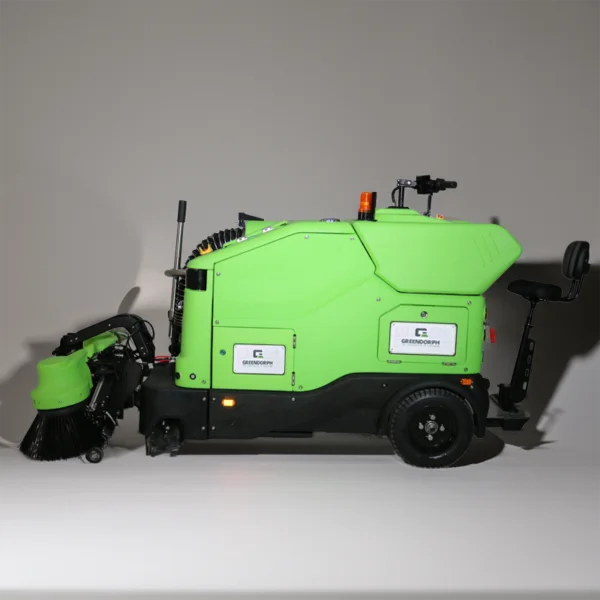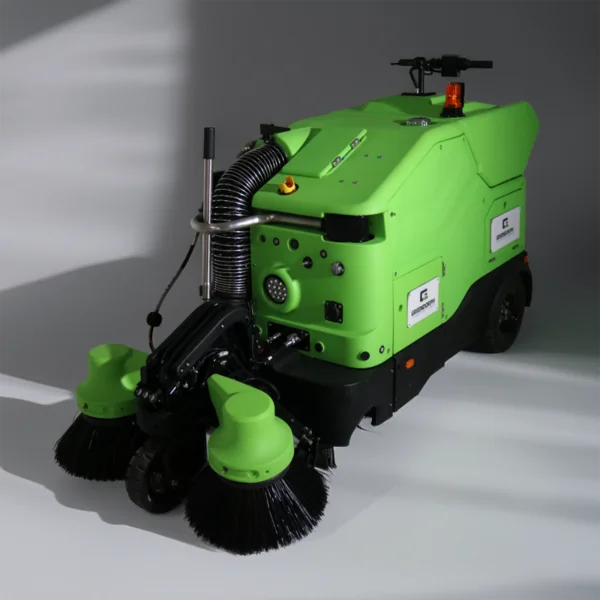
Determining the most efficient surface maintenance strategy requires a thorough assessment of a facility’s physical layout, daily foot traffic, and overall square footage. Busy shipping terminals, public transit concourses, and expansive corporate parks constantly accumulate a mix of fine dust, paper waste, and heavy grit. If left unmanaged, this debris acts as an abrasive layer that gradually erodes the protective sealants of high-quality pavements. Deploying a highly capable outdoor ride on sweeper offers facility managers a reliable, systematic method for keeping large-scale pathways pristine and structurally sound.
Different architectural spaces demand distinctly tailored equipment geometries and sweeping mechanics to maximize daily cleaning productivity. For restricted hallways or narrow storage racks, smaller walk-behind units provide excellent agility and precise control. However, when managing expansive parking lots or long public sidewalks, larger motorized systems become essential to cover the ground efficiently. By analyzing core parameters—such as spatial maneuverability, collection physics, and battery chemistry—procurement teams can select the ideal technology.
Assessing Spatial Constraints and Turning Dynamics
Commercial properties often present a challenging mix of wide-open public areas and highly congested, narrow transit corridors. While expansive plazas are best cleared with fast, high-capacity machinery, tight office aisles demand precise movement to avoid property damage. Selecting equipment with an unsuitable physical footprint can lead to operational bottlenecks or missed cleaning zones.
A compact walk-behind sweeper offers unmatched agility, allowing operators to spin in place and clean tight corners easily. On the other hand, larger motorized vehicles require a wider turning radius but cover open areas at much higher speeds. Balancing these physical dimensions against your specific building layout achieves complete edge-to-edge cleaning without slowing down daily business operations.
Understanding the Multi-Functional Physics of Debris Collection
Outdoor environments present a highly unpredictable mix of debris, ranging from fine sand to wet organic leaves and discarded trash. Standard sweeping brushes often struggle to capture these diverse materials efficiently, frequently leaving fine dust behind or clogging on larger items. Modern high-efficiency sanitation relies on combining multiple mechanical actions into a single, cohesive collection process.
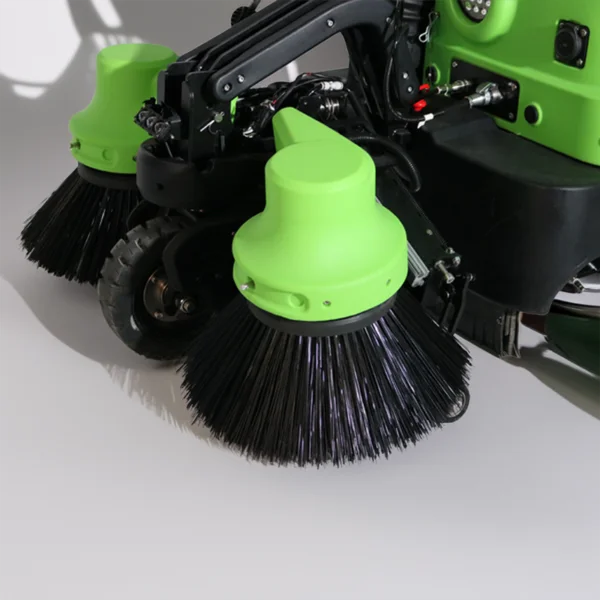
At the core of a powerful vacuum system, we combine high-pressure flushing, water-spray cleaning, turbine blowing, targeted tube collection, and dust-suppression misting. Integrating these advanced mechanisms allows a modern ride on sweeper machine to handle diverse outdoor cleanups effortlessly in a single pass. At Greendorph, we design our multi-functional suction chambers to capture both heavy objects and microscopic dust particles securely.
Comparing Labor Productivity and Operator Fatigue
Operating manual walk-behind sweepers across massive commercial properties can cause severe physical fatigue for your maintenance crew. This physical strain often leads to slower cleaning speeds toward the end of long shifts, resulting in inconsistent cleaning standards. Upgrading to motorized ride-on platforms dramatically improves worker comfort, allowing operators to complete extensive routes with minimal effort.
A comfortable seated operation allows your staff to maintain high, consistent cleaning speeds throughout their entire shift. This boost in productivity is especially crucial for facilities with limited maintenance windows, such as busy airports or shipping docks. By reducing physical strain, properties can achieve a much higher level of cleanliness while optimizing their overall labor allocation.
Evaluating Battery Chemistries and Continuous Run Times
Keeping up with busy warehouse operations demands steady, uninterrupted cleaning power to deliver all areas are swept thoroughly. Traditional lead-acid batteries require high maintenance, take hours to charge, and degrade quickly under heavy daily workloads. Switching to advanced lithium-ion battery configurations provides sustained power output and supports rapid opportunity charging.
Modern lithium-ion batteries support fast opportunity charging, allowing operators to plug in the machine during scheduled operator breaks. This flexible power capability maintains your commercial cleaning schedules stay on track and run with minimal interruption. We build our electric drivetrains to use battery power highly efficiently, helping teams cover maximum area on a single charge.
Source Dust Containment to Preserve Public Environmental Quality
Outdoor commercial pavements accumulate micro dust and dry grit that easily resuspend during routine sweeping, creating invisible air quality risks in crowded public zones. Uncontrolled dust dispersion not only compromises visitor experience but also leads to repeated surface re-contamination and extra cleaning workloads. Targeted source suppression is therefore essential for standardized commercial ground maintenance.
Our outdoor ride-on sweepers adopt a proactive dust control strategy that locks up fine particles before sweeping begins. Precision water misting binds dry dust into heavier particles, while high-density multi-stage filtration captures ultra-fine contaminants inside the hopper. This full-process containment structure avoids secondary pollution, sustains stable on-site air conditions, and supports long-term environmental sanitation for public and commercial facilities.
Streamlining Fleet Flexibility with Multi-Mode Systems
Modern public plazas and corporate campuses feature highly diverse architectural zones that require different cleaning styles. Our advanced Omniclean Urban Street Sweeper YJ80 is specifically engineered to handle this wide variety of urban cleaning demands. This versatile unit replaces multiple cleaning tools in one compact unit, streamlining your maintenance fleet.
To help crews handle different environments with ease, this professional model supports three operator-friendly modes: manual ride-on, auto-follow, and towed traction. This adaptive design allows your team to switch from manual driving to hands-free tracking instantly, depending on pedestrian traffic. At Greendorph, we focus on building highly flexible utility platforms that maximize the value of your capital investment.
Simplified Electric Architecture for Reliable Long-Term Fleet Operation
Conventional diesel sweepers are designed with overly complex mechanical transmission and hydraulic systems that struggle to adapt to dusty outdoor working scenarios. Continuous particle erosion accelerates part aging, triggering frequent malfunctions, fluid leakage and costly routine overhauls that drain facility maintenance budgets.
Our premium ride on sweeper machine adopts advanced brushless electric drive structures to streamline internal mechanical components. Removing traditional engine assemblies and hydraulic accessories greatly reduces wearable parts and eliminates regular oil changes, plug replacements and pressure system maintenance. Optimized electric mechanical design improves equipment durability, minimizes field downtime, and realizes more economical long-term fleet management.
Conclusion
Modern facility maintenance requires a strategic transition away from loud, high-emission diesel sweepers toward agile and efficient electric utility assets. Selecting certified machinery equipped with quiet electric drivetrains protects the local environment while significantly reducing daily labor costs. Implementing these robust, multi-mode machines keeps your walkways safe, improves air quality, and lowers your long-term maintenance expenses. At Greendorph, we are dedicated to building the reliable, low-emission cleaning solutions required to keep global commercial properties pristine and safe.