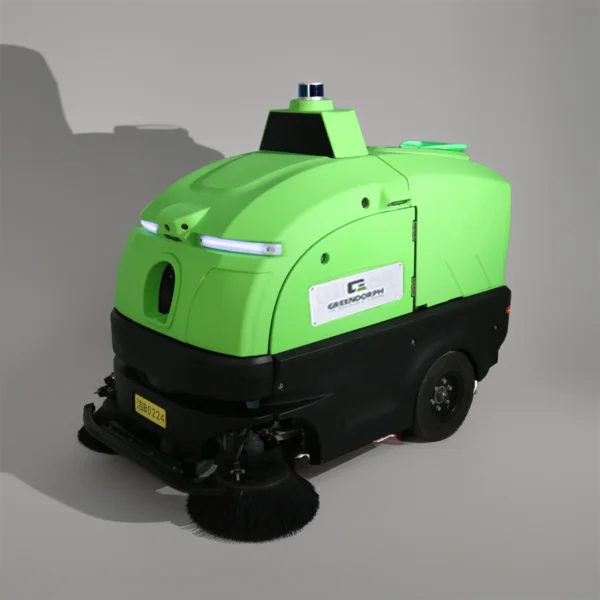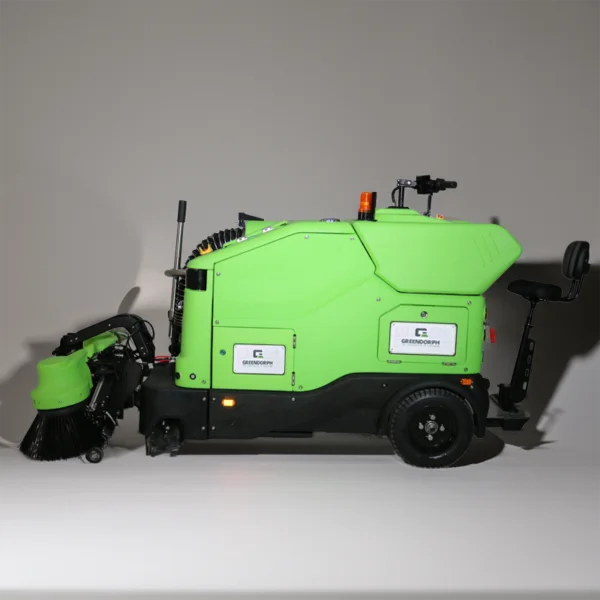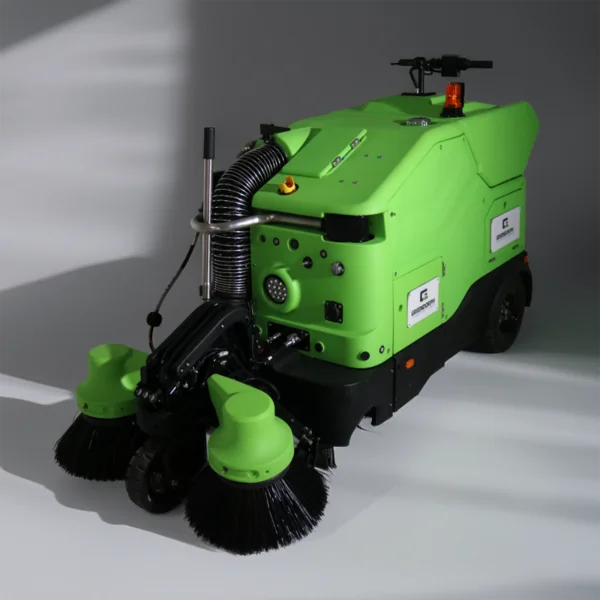
Managing the cleanliness of extensive shared pathways, grand multi-family entryways, and residential courtyard complexes demands a precise, reliable sanitation blueprint. High-traffic communal spaces experience a relentless build-up of windblown fine sand, spilled liquids, and organic residue that can erode pavement sealants over time. Neglecting these deep stains or letting oily layers accumulate compromises safety and quickly devalues the visual standard of the property investment. Incorporating a heavy-duty residential floor scrubber machine into a facility’s daily maintenance routine offers estate managers an engineered path to handle large-scale spaces efficiently.
Real-world residential hardscapes feature unique structural variations, from smooth concrete lobby floors to textured outdoor brick patios. Standard domestic cleaning appliances lack the physical durability, battery runtime, and sweeping widths required to manage thousands of square meters daily. Property management teams must analyze key engineering parameters—including mechanical brush downpressure, dynamic path-planning logic, and dust suppression systems—to secure reliable hardware.
Understanding the Structural Scale of Communal Hardscape Surfaces
Large apartment complexes, shared housing developments, and vast neighborhood estates feature extensive networks of outdoor pathways and high-traffic common areas. These sprawling public walkways present heavy workloads that standard consumer vacuums or manual sweeping tools cannot clean effectively. It is critical to recognize that this class of cleaning robot is mainly applied to residential scenes such as communities and neighborhoods, focusing on outdoor environment cleaning operations, rather than being a household cleaning robot.
Communal areas require heavy-duty brush mechanisms capable of lifting deeply embedded grime from rough concrete or porous stone pavers. Using lightweight indoor tools on these demanding outdoor surfaces leads to rapid component wear and poor cleaning coverage. Selecting a specialized residential floor scrubber delivers that massive open plazas and pedestrian lanes receive deep, industrial-grade cleaning safely.
Harnessing Calibrated Mechanical Fluid Delivery for Stain Elimination
Eliminating deep grease deposits, dried mud, and tire marks from busy apartment entryways requires exact control over brush downpressure and water distribution. Modern commercial cleaning platforms use automated mechanical systems to maintain consistent contact between heavy scrubbing brushes and uneven pavements. This continuous scrubbing helps remove stubborn surface stains without scratching or wearing down protective concrete sealants.
Operating a high-capacity residential floor scrubber machine facilitates effective distribution of fresh wash water and functional detergent over your whole floor layout. This calibrated distribution prevents chemical waste while ensuring that dirt is dissolved and captured cleanly in a single pass. Our engineering team prioritizes optimizing these liquid flow systems to guarantee highly reliable cleaning across diverse stone and tile surfaces.
Optimizing Wastewater Recovery and Pavement Drying Physics
Leaving dirty water puddles behind on busy residential sidewalks or lobby entrances creates immediate slip hazards for residents and visitors. An efficient washing cycle relies on a heavy-duty squeegee assembly working in close sync with a powerful vacuum suction motor. This combination pulls the dirty slurry off the concrete effectively, leaving the walkway drier and safe for pedestrian traffic.
Utilizing a premium residential floor scrubber allows property teams to wash and dry busy transport corridors without blocking off public walkways. Our specialized suction systems generate high negative pressure, extracting liquid even from deep brick grout lines and expansion joints. This rapid moisture containment prevents slip-and-fall incidents, keeping daily community foot traffic moving safely and smoothly.
Integrating Autonomous Systems to Amplify Human Workforce Capacity
Persistent labor shortages and rising employee turnover make it incredibly difficult for property managers to maintain strict daily cleaning schedules. Introducing smart autonomous technology changes how teams manage these tasks, turning routine sweeping into a highly efficient, hands-free workflow. This technological shift allows valuable personnel to focus on intricate building detail work, landscaping, and urgent security duties.
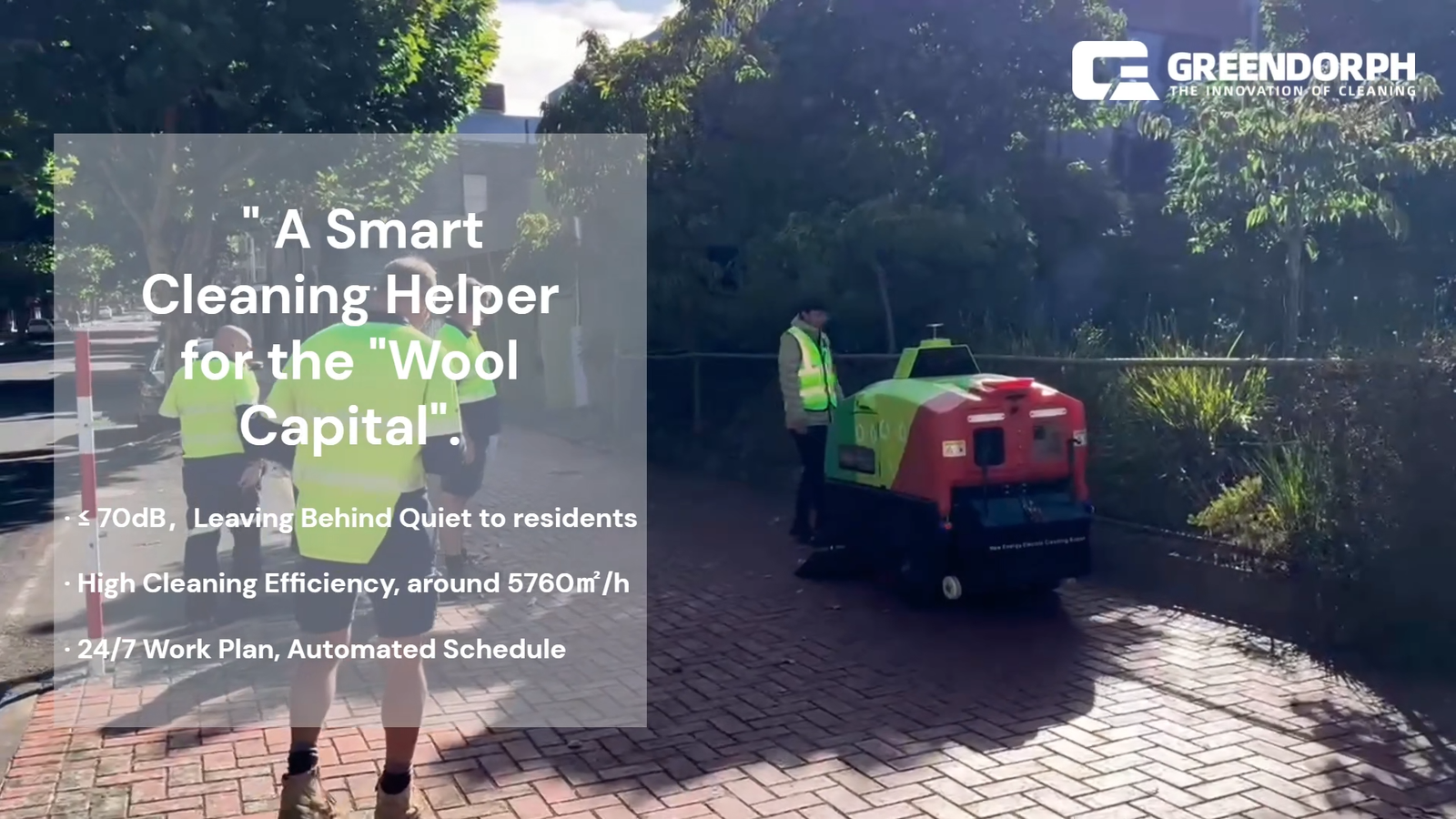
The integration was seamless. As shown in the photo, the YJ130 has joined the morning roster alongside the human crew to optimize daily operations. The robot now acts as a “Force Multiplier”, autonomously handling the long stretches of red-brick paving across the entire estate. This collaborative approach has significantly reduced the physical toll on the staff, keeping team morale high and productivity stable.
Navigating Restrictive Path Bottlenecks via Multi-Sensor Fusion
Tight courtyard corridors, narrow sidewalk paths, and busy building entrances present major navigation challenges for large utility vehicles. Bulky sweeping machinery risks colliding with decorative landscaping walls, blocking private doorways, or disrupting the peaceful neighborhood environment. Ground teams require compact, highly agile utility platforms engineered to navigate around delicate outdoor benches and unexpected path barriers smoothly.
Our compact autonomous chassis designs incorporate advanced steering setups that allow our specialized residential floor scrubber machine models to spin in place safely. At Greendorph, we focus on multi-sensor navigation layouts to enable our machinery tracks complex paths cleanly without manual human steering. This advanced steering configuration allows the equipment to clean right up to the edge of concrete steps and tight alcoves effortlessly.
Streamlined Electric Architecture Optimizes Long-Term Fleet Operating Costs
Outdoor residential cleaning equipment constantly operates amid sand, fallen foliage and variable weather, creating harsh conditions for conventional fuel-powered sweepers. Elaborate hydraulic circuits, transmission belts and liquid storage assemblies degrade rapidly in such environments, resulting in fluid seepage, unplanned outages and mounting ongoing servicing charges. Adopting direct-drive electric architecture eliminates many vulnerable assemblies and mitigates recurring mechanical faults.
Our outdoor sweeping solutions integrate brushless motor technology to cut the volume of wearable components substantially. This refined drive structure strengthens the stability of our dedicated residential floor scrubber platforms and reduces routine servicing workloads. Optimized mechanical design extends continuous operational time, maximizes equipment availability for community sanitation tasks and delivers sustained reductions in yearly maintenance expenditure.
Silent Battery-Powered Operation Supports Flexible Off-Peak Community Maintenance
Residential communities demand maintenance activities that respect residents’ daily rest cycles. Conventional fuel-powered cleaning vehicles produce prominent noise, limiting work to narrow time windows and hindering property teams from implementing regular sanitation plans. Modern battery-electric drive systems break these constraints, supporting low-disturbance cleaning operations across morning, daytime and evening hours.
Our high-density battery modules deliver 6–8 hours of steady runtime per full charge. The sustained working duration allows maintenance crews to cover vast outdoor plazas and pedestrian pathways without frequent stops, while avoiding noise nuisances to residents. Greendorph tunes every electric drivetrain for superior power efficiency, empowering property management teams to build stable, low-impact long-term cleaning regimes.
Conclusion
Residential hardscapes deserve smarter care—automated electric equipment replaces manual brooms with quiet, low-emission efficiency. Lower labor costs, less water waste, and delicate pavement protection—all in one compact package. We engineer high-performance electric tools that keep global residential spaces pristine, inviting, and safe.