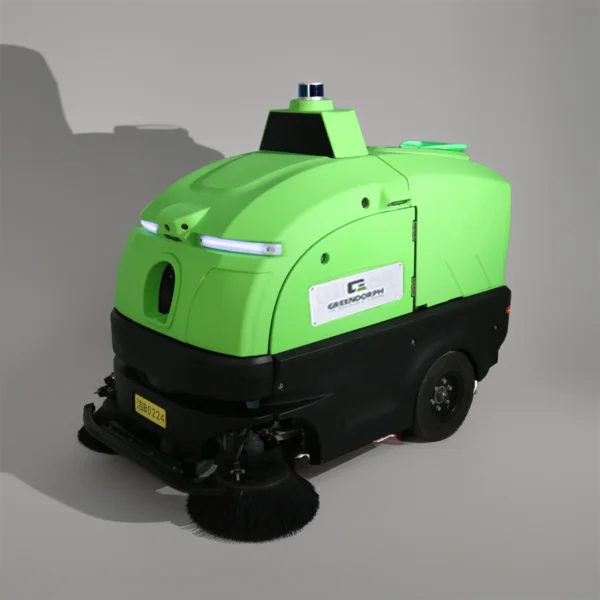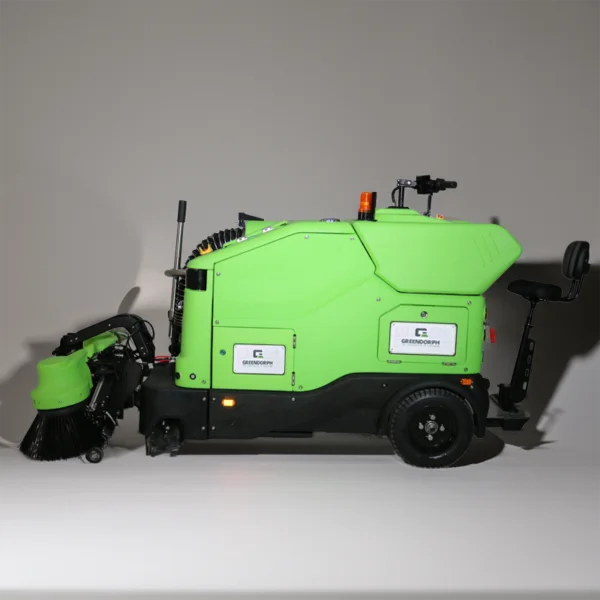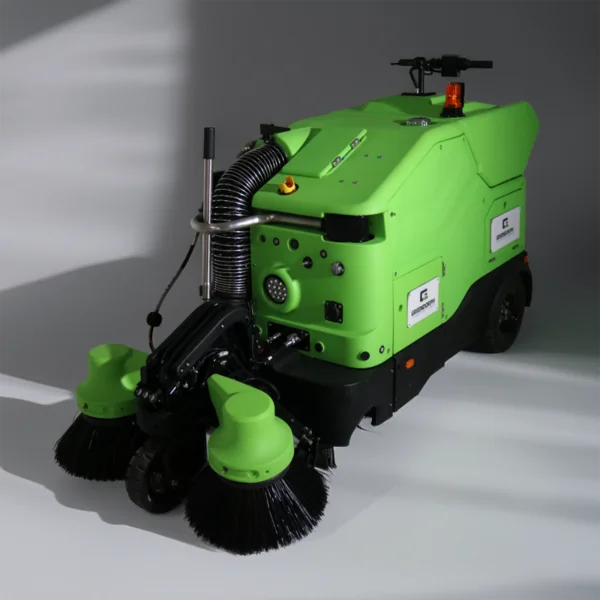
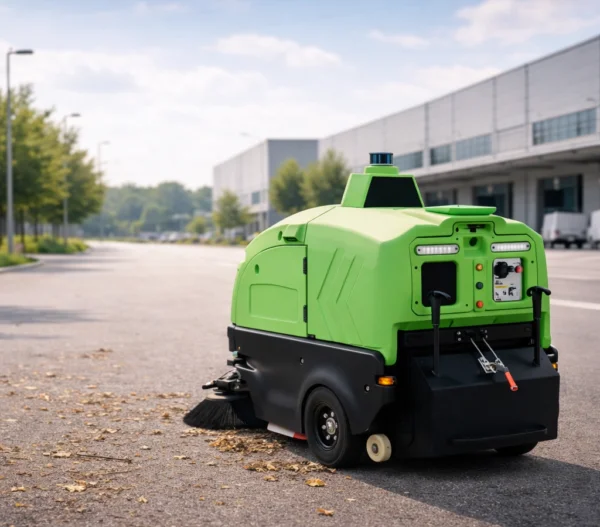
Navigating the intricate network of modern city walkways, alleyways, and pedestrian zones presents a unique logistical hurdle for facility managers. Heavy debris accumulations combined with tight architectural geometry make standard maintenance vehicles impractical for these delicate spaces. Decomposing organic matter, discarded packaging, and fine dust collect quickly in tight corners, creating both aesthetic and safety concerns. Deploying a specialized street sweeper tailored for tight environments provides a strategic solution to these spatial challenges.
These confined public pathways demand a careful balance between mechanical agility and raw debris collection power. Standard highway trucks risk damaging fragile paving stones, breaking curbs, or blocking pedestrian traffic during busy daytime hours. Analyzing how compact chassis dimensions, articulated steering, and advanced battery configurations interact allows property managers to design much smarter maintenance routines.
Designing Compact Frameworks for Tight Spatial Geometry
Narrow alleys and historic city walkways feature sharp corners, low overhangs, and sudden structural bottlenecks that instantly stop large utility vehicles. A reduced wheelbase and minimal chassis overhang are essential for enabling machines to pivot safely within confined public plazas. This compact footprint prevents accidental property damage while allowing the machine to work right alongside ongoing pedestrian traffic.
Reducing the physical width of the vehicle allows it to clear narrow bollards and temporary outdoor seating easily. At Greendorph, we build specialized steering systems into our compact frames to support seamless navigation around tight urban obstacles. This mechanical agility keeps hard-to-reach corners receive the exact same deep clean as open roadways.
Understanding the Physics of High-Efficiency Vacuum Suction
Sweeping tight pathways requires a clever combination of mechanical brushing and precise air pressure dynamics. Light debris like dry leaves and plastic wrappers require broad airflow, while heavy sand and wet dirt demand deep vacuum suction. Matching the vacuum motor’s speed directly to the debris type supports efficient cleaning while minimizing onboard energy use.
A high-performance electric road sweeper relies on specialized suction channels to seal tightly against uneven brick or cobblestone pathways. This localized negative pressure lifts fine dirt from deep pavement crevices that standard mechanical brooms leave behind. Our team engineers these fluid dynamics to optimize debris recovery while keeping the overall power consumption of the machine remarkably low.
Maximizing Battery Life for Extended Multi-Shift Operations
Operating commercial cleaning equipment across expansive university campuses or park systems requires long-lasting, reliable energy storage. Frequent stops, climbing steep ramps, and sweeping heavy debris can drain standard lead-acid batteries far too quickly. Modern lithium-ion battery configurations solve this problem by delivering steady, uncompromised power throughout the full cleaning shift.
Using efficient energy management systems allows a compact electric road sweeper to handle demanding cleaning tasks all day long. For example, our specialized YJ80 model delivers up to 8 hours of continuous deep cleaning performance on a single charge. This extended runtime reduces the need for mid-shift recharging, allowing facility teams to finish their routes with minimal interruption.
Reducing Surface Weight to Protect Fragile Walkway Infrastructure
Pedestrian walkways, decorative stone tiles, and park paths are not engineered to handle the heavy weight of full-sized industrial trucks. Heavy utility vehicles can crack expensive stone tiles, distort underlying soil basements, and cause permanent structural damage. Selecting lightweight machinery is essential for preserving these high-value architectural installations over the long term.
Distributing vehicle weight evenly across specialized low-pressure tires protects delicate decorative brickwork from cracking under stress. At Greendorph, we combine lightweight composite materials with structural aluminum frames to lower the gross vehicle weight of our machines. This protective design keeps your infrastructure safe while delivering heavy-duty sweeping performance across any delicate walkway.
Minimizing Noise Levels in Quiet Public Zones
Outdoor shopping malls, hospital grounds, and residential pathways require a peaceful environment free from loud mechanical noise. The deafening roar of internal combustion engines restricts cleaning schedules to limited daytime hours, causing logistical friction. Shifting to near-silent electric power solves this issue, allowing for seamless cleaning any time of day or night.
A modern, low-decibel street sweeper operates quietly in the background without disturbing nearby outdoor diners or resting patients. We insulate our electric blower systems and hydraulic assemblies to keep noise output relatively low. This quiet operation allows management to schedule early morning cleanings, helping pathways appear pristine before businesses open.
Upgrading Dust Filtration Systems for Better Air Quality
Brushing dry asphalt can easily kick up clouds of fine particulate matter, creating health hazards for nearby pedestrians. Advanced dust control relies on a multi-stage process that combines fine water misting with microscopic fabric filtration membranes. This dual-action system seals the dust inside the collection hopper instead of exhausting it back into the air.
Using smart water-recycle loops keeps dust down effectively while using a fraction of the water required by traditional sweepers. Our engineering focus centers on minimizing fluid consumption to keep our compact machines lightweight and highly efficient on long runs. This dedication to clean air supports a safer, more pleasant environment for everyone enjoying public spaces.
Conclusion
Adapting to the unique demands of modern urban walkways requires a thoughtful shift toward agile, electric-powered maintenance tools. Selecting compact equipment with specialized high-vacuum suction allows municipalities to clean restrictive pathways safely, efficiently, and thoroughly. Transitioning away from bulky, heavy diesel vehicles protects delicate pavement infrastructure while lowering both noise pollution and daily operating costs. At Greendorph, we remain fully committed to developing the precise electric solutions required to keep public walkways clean, sustainable, and welcoming for everyone.