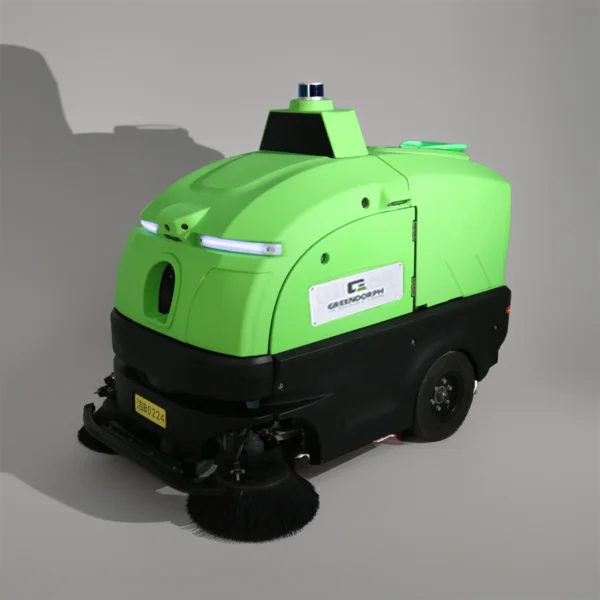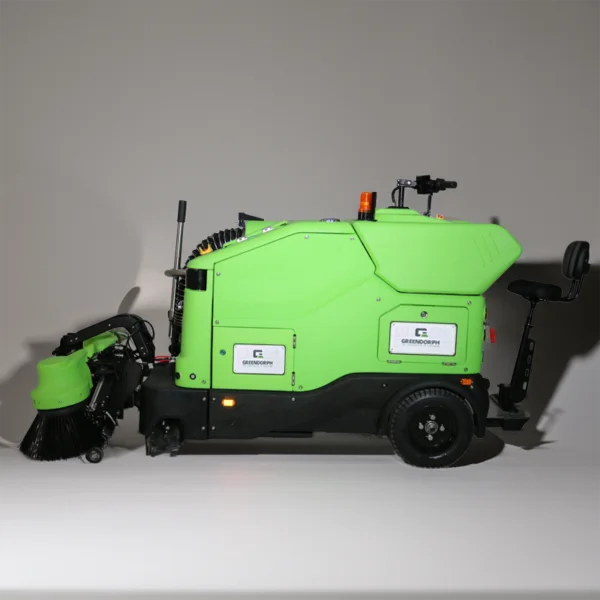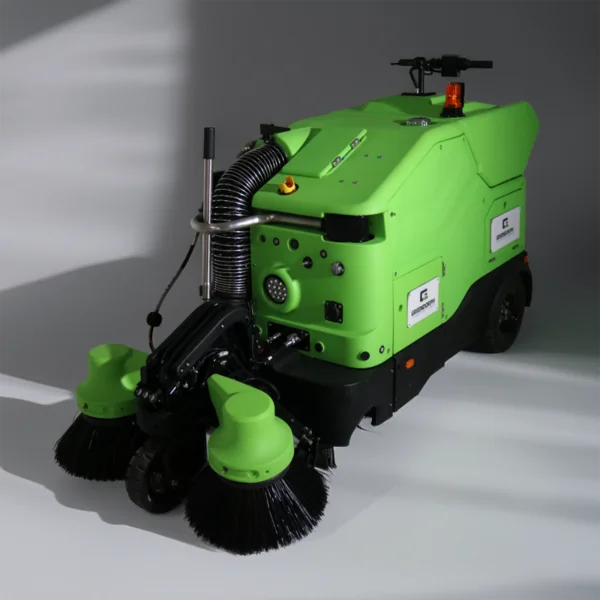
Managing large-scale facility maintenance involves coordinating complex logistics, specialized labor, and high-performance equipment. Across massive industrial parks, transport hubs, and corporate campuses, conventional cleaning methods struggle to keep pace with daily dirt accumulation. Dust, loose gravel, and micro-particles settling on public pathways demand constant attention to protect structural integrity and maintain hygiene standards. Deploying advanced floor cleaning machines offers a structured, reliable way to address these ongoing environmental demands.
Large physical environments require a substantially different approach compared to small commercial properties or retail shops. High foot traffic, varying surface materials, and sudden weather changes complicate daily cleaning schedules. By exploring how specialized manufacturers design modern machinery for heavy workloads, facility managers can optimize their long-term sanitation workflows.
Designing Heavy-Duty Frameworks for Demanding Commercial Environments
Large-scale facilities demand specialized equipment capable of handling hours of continuous operation over vast, unforgiving surfaces. Standard light-duty sweepers suffer from rapid wear when subjected to the abrasive dust and small stones common in outdoor plazas. High-durability engineering requires tough structural materials and impact-resistant chassis to withstand accidental bumps against concrete walls.
We focus on building highly durable, simplified mechanical designs that keep equipment operating reliably under demanding conditions. At Greendorph, we integrate reinforced framing and dust-resistant seals directly into our robust product platforms. This physical resilience helps your utility fleet operates with minimal mechanical downtime, keeping key walkways clean and safe.
Understanding the Role of an Advanced Sweeping Robot Manufacturer
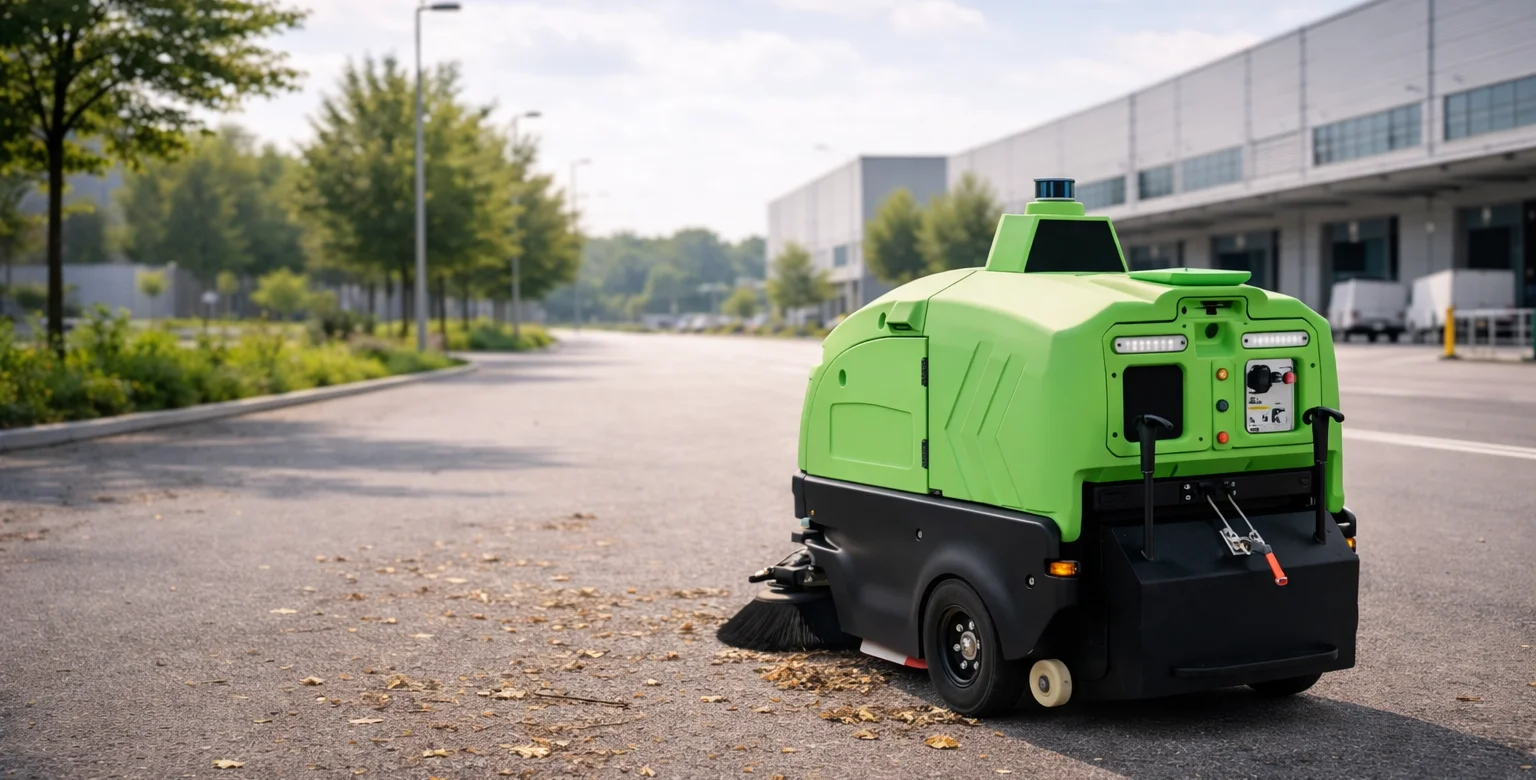
As labor shortages impact the cleaning sector, the design focus of modern machinery is shifting from manual control to automation. A specialized sweeping robot manufacturer must master complex sensor integration, obstacle-avoidance algorithms, and robust hardware design. This deep expertise allows autonomous units can safely navigate around unpredictable pedestrian traffic and temporary barriers.
Developing full-stack R&D capabilities allows for the creation of smart navigation software that adapts dynamically to changing environments. We focus on refining these complex path-planning systems to maximize cleaning coverage without missing tight corners. This scientific approach to automation helps facilities maintain high cleaning standards without requiring constant manual supervision.
Optimizing Battery Lifespans for Long-Distance Coverage
Maintaining vast industrial areas requires extended operational runtimes to prevent frequent charging interruptions from delaying daily cleaning tasks. Standard lead-acid batteries degrade rapidly under heavy workloads and demand constant watering maintenance from facility staff. Upgrading to high-capacity lithium-ion configurations provides steady power delivery throughout the full cleaning cycle.
Using advanced energy management systems allows our specialized YJ130 model to run continuously for up to 8 hours. This reliable energy profile helps extensive cleaning paths are completed thoroughly on a single charge. Our team designs these battery architectures to minimize charging times, keeping your equipment active and productive.
Managing Fine Dust Control in Public Spaces
Sweeping outdoor areas can easily stir up clouds of fine particulate matter, creating unpleasant dust hazards for nearby pedestrians. Advanced dust control relies on a balance between targeted high-speed vacuum suction and precise water-mist suppression. This combination binds microscopic dust particles together, sweeping them into the collection hopper instead of releasing them back into the air.
We pay close attention to optimizing airflow dynamics to keep dust contained within our high-performance filtration chambers. At Greendorph, we prioritize high-efficiency filters that capture fine debris without restricting the vacuum system’s suction power. This specialized engineering keeps the local air clean and pleasant for residents, shoppers, and campus visitors alike.
Enhancing Fluid Management and Water Conservation Efforts
Traditional wet-cleaning systems often consume massive amounts of water and chemical agents, requiring frequent stops to refill. These repeated water-refilling trips waste valuable maintenance hours and significantly increase the overall environmental footprint of your facility. Implementing smart, closed-loop water systems helps operators clean large spaces while using much less water.
Our compact designs feature highly efficient water distribution systems that maximize cleaning power while minimizing fluid runoff. At Greendorph, we focus heavily on reducing water waste to support your team’s local environmental sustainability goals. This careful fluid management protects nearby soils and storm drains from chemical runoff, making your maintenance program much greener.
Simplifying Mechanical Maintenance to Minimize Downtime
Large, complex industrial equipment often features intricate hydraulic systems and numerous belts that wear out under dusty conditions. Finding specialized technicians to service these aging internal combustion vehicles increases operational headaches and raises annual maintenance costs. Transitioning to simple, direct-drive electric motors resolves these mechanical complications.
Using brushless electric motors significantly lowers the number of moving parts inside our specialized floor cleaning machines. This simplified design reduces traditional oil changes, spark plug replacements, and high-pressure hydraulic line leaks. Making these mechanical improvements keeps your fleet highly reliable and supports consistent daily cleaning performance across your facility.
Integrating Autonomous Fleets into Daily Workflows
Moving away from manual cleaning routines helps commercial properties maintain consistent sanitation schedules, even during severe labor shortages. Our advanced autonomous utility systems handle navigation, self-charging, and automated dumping largely on their own. This smart integration allows your valuable human staff to focus on complex, high-priority maintenance tasks.
Our development team has deployed more than 300 autonomous units worldwide, proving the value of smart automation. Partnering with a dedicated sweeping robot manufacturer allows facility managers to design highly efficient, hands-free workflows. Embracing these advanced systems supports consistent, high-quality cleaning outcomes that keep your public spaces looking pristine.
Conclusion
Successfully scaling up sanitation programs across massive modern facilities requires a transition toward agile, automated, and electric-powered equipment. Selecting heavy-duty machinery equipped with smart autonomous navigation helps properties overcome persistent labor shortages and reduce operational costs. Transitioning to quiet, low-carbon emission technology protects the local environment while keeping daily cleaning routines highly efficient. We are proud to deliver the reliable, sustainable autonomous cleaning solutions required to keep industrial facilities clean, safe, and well-organized.