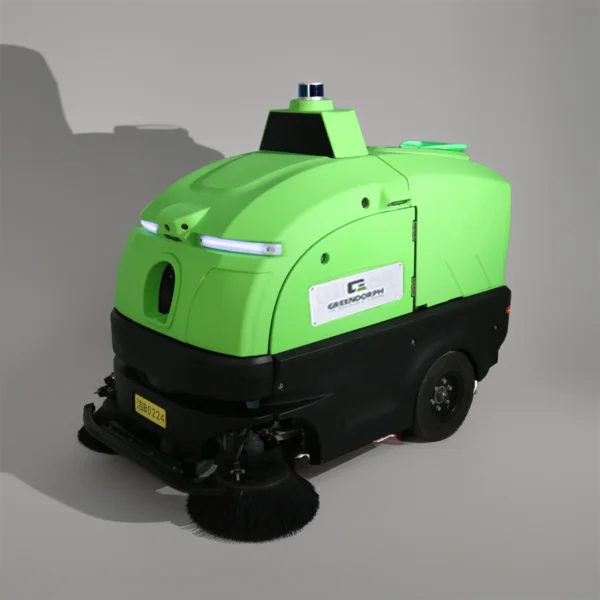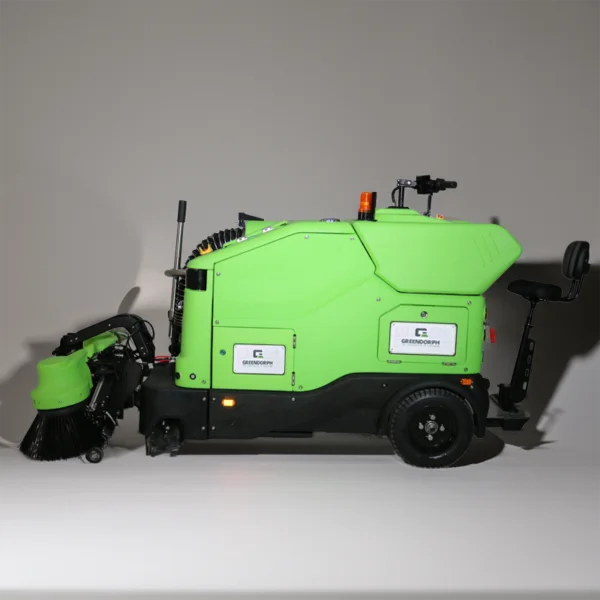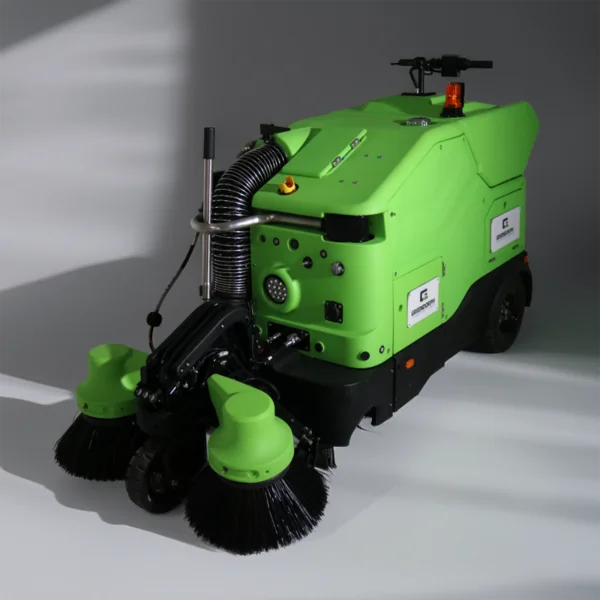
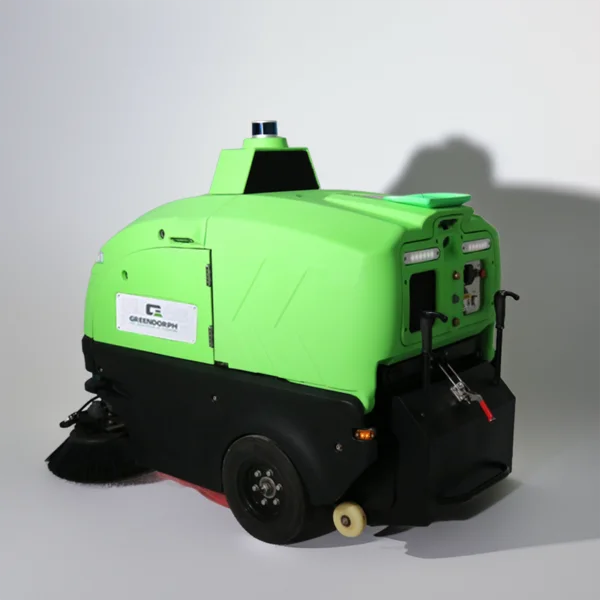
Maintaining public sidewalks, corporate plazas, and academic campuses requires a meticulous approach to surface preservation and waste management. Wind currents constantly distribute abrasive sand, dry leaves, and discarded packaging across hardscapes, detracting from a property’s professional appearance. Leaving these particulate materials untreated allows them to act as grinding agents under foot traffic, speeding up pavement wear. Integrating a high-performance outdoor robot cleaner offers modern facility managers a systematic, consistent method to maintain pristine outdoor spaces.
Selecting the right commercial utility vehicle requires examining physical navigation dynamics, battery runtimes, and debris collection physics. Traditional manual cleaning methods simply cannot keep pace with thousands of square meters of pavement every day. By understanding how mechanical sweeper systems interact with various outdoor environments, procurement teams can make highly informed investments. This engineered approach to grounds maintenance protects your long-term capital assets while lowering daily operating costs.
Analyzing Spatial Agility and Sensor Fusion in Dynamic Public Zones
Dynamic outdoor environments present unique physical challenges, including moving pedestrians, temporary signs, and unexpected structural bottlenecks. A bulky utility machine risks blocking walking paths or colliding with landscaping borders, creating severe liability concerns. Utilizing smart navigation systems is essential for allowing equipment to work safely alongside ongoing public activities.
Advanced multi-sensor arrays—such as LiDAR and 3D cameras—allow an autonomous outdoor sweeper to calculate clean paths instantly around obstacles. At Greendorph, we prioritize high-precision mapping to allow our equipment navigates crowded university plazas and park walkways seamlessly.
Understanding the Physics of High-Efficiency Outdoor Debris Recovery
Outdoor pavements gather a challenging mix of waste, ranging from dry autumn leaves to heavy gravel and fine dust. A successful cleaning program requires matching vacuum suction, mechanical brush rotation, and airflow assistance to lift diverse materials in a single pass. Poorly configured sweepers often leave heavy stones behind or fail to capture fine, hazardous particulate matter.
Our specialized Greendorph Auto Sweeper YJ130 utilizes a primary cleaning system enhanced by three auxiliary functions: suction, airflow-assist, and misting spray. This fully autonomous outdoor sweeper achieves consistent, comprehensive cleaning performance across expansive outdoor environments, including pedestrian walkways and public park grounds. This comprehensive mechanical design lifts heavy debris effectively while keeping fine dust contained inside the collection hopper.
Mitigating Dust Storms and Protecting Local Air Quality
Sweeping dry asphalt or decorative stone pathways can easily stir up thick dust clouds, creating uncomfortable breathing hazards. Modern dust control relies on integrated water misting systems that bind microscopic particles together right before they are swept. This multi-stage suppression prevents fine concrete dust from escaping back into the air, keeping public environments healthy.
High-efficiency fabric filters keep captured particles remain sealed within the machine during long, demanding shifts. Our engineering team focuses on keeping outdoor air fresh and pleasant by optimizing these internal filtration paths. This dedicated focus on air quality makes our advanced outdoor robot cleaner systems highly suitable for school campuses and hospital walkways.
Comparing Battery Chemistries and Continuous Running Times
Commercial property maintenance requires reliable, long-lasting energy storage to sustain that extensive cleaning routes are completed without interruption. Traditional lead-acid batteries demand regular manual watering maintenance and suffer from rapid power drop-offs under heavy workloads. Transitioning to advanced lithium iron phosphate batteries provides continuous power output and supports rapid opportunity charging during scheduled operator breaks.
Our high-capacity battery configurations are designed to run continuously for 6-8 hours on a single charge. This extended operational endurance allows your facility teams to complete expansive outdoor loops with minimal interruption. At Greendorph, we design our electric drivetrains to maximize energy efficiency, helping you maintain consistent daily cleaning schedules.
Reducing Mechanical Complexity to Save on Annual Repair Budgets
Traditional internal combustion sweeping trucks feature complex hydraulic lines, belts, and fluid reservoirs that require frequent, specialized maintenance. Dusty operating conditions accelerate wear on these moving parts, leading to hydraulic leaks, sudden breakdowns, and expensive repair bills. Transitioning to direct-drive electric systems simplifies the mechanical footprint and prevents these frustrating maintenance issues.
Outdoor sweeping equipment routinely operates in open, dust-prone environments that accelerate component fatigue on conventional fuel-powered machinery. Our outdoor sweepers adopt brushless electric drive architecture to minimize wearable mechanical components and remove reliance on combustion engine and hydraulic systems. With fewer consumable parts and no fluid-dependent systems to service, the equipment delivers stable performance during continuous outdoor operation. This refined mechanical structure reduces routine maintenance workloads and unexpected failures, helping facility teams sustain long-term fleet stability and control annual upkeep expenses.
Protecting Delicate Walkway Infrastructure from Excess Weight
Decorative stone tiles, brick plazas, and park walkways are not engineered to handle the heavy weight of full-sized commercial vehicles. Heavy diesel trucks can easily crack expensive paving stones, distort underlying soil basements, and cause permanent structural damage. Selecting lightweight, battery-powered equipment is essential for preserving these high-value architectural installations over the long term.
Lightweight composite materials paired with intelligently balanced frames preserve the integrity of delicate pavement surfaces when our machines operate. Our specialized tires prevent surface cracking, allowing our equipment to work safely across any sensitive brick or tile layout. This structural protection helps facility managers maintain professional-looking grounds without risking expensive pavement damage.
Optimizing Maintenance Workflows with Autonomous Fleet Technology
Finding and training reliable personnel for demanding, repetitive outdoor cleaning roles remains a major operational challenge for property managers. Introducing smart autonomous technology changes how teams manage these tasks, turning routine sweeping into a hands-free, automated workflow. This technological shift allows valuable team members to focus on complex building maintenance, landscaping, and security duties.
Public outdoor grounds feature unstructured layouts, random pedestrian traffic, and transient obstacles that make rigid cleaning routes ineffective. Our autonomous sweeping systems utilize adaptive path-planning technology to accommodate dynamic site conditions and deliver uniform debris clearance with minimal manual oversight. Equipped with real-time obstacle recognition and flexible route adjustment capabilities, our units execute full-cycle outdoor cleaning independently. This intelligent automation relieves staff from repetitive groundkeeping tasks, optimizes workforce allocation, and sustains consistent aesthetic and sanitary standards across sprawling outdoor facilities.
Conclusion
Successfully maintaining a modern commercial property requires selecting highly agile, electric, and robust utility equipment that protects your structural assets. While manual sweeping fails to keep up with large environments, a specialized outdoor sweeper provides consistent, deep cleaning. Transitioning to quiet, low-emission technology protects your facility’s air quality and lowers your long-term maintenance costs. At Greendorph, we are dedicated to building the reliable electric solutions needed to keep your outdoor operations safe, clean, and highly productive.