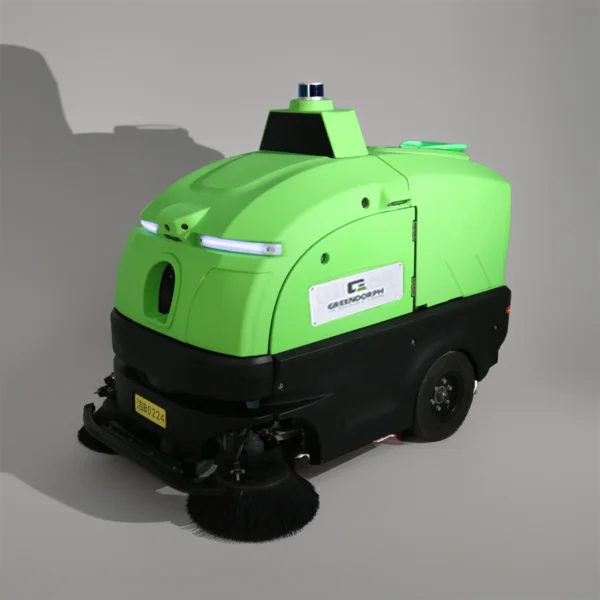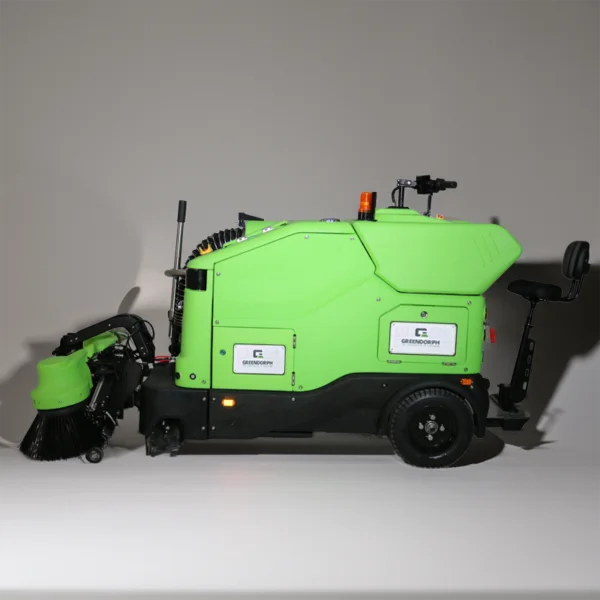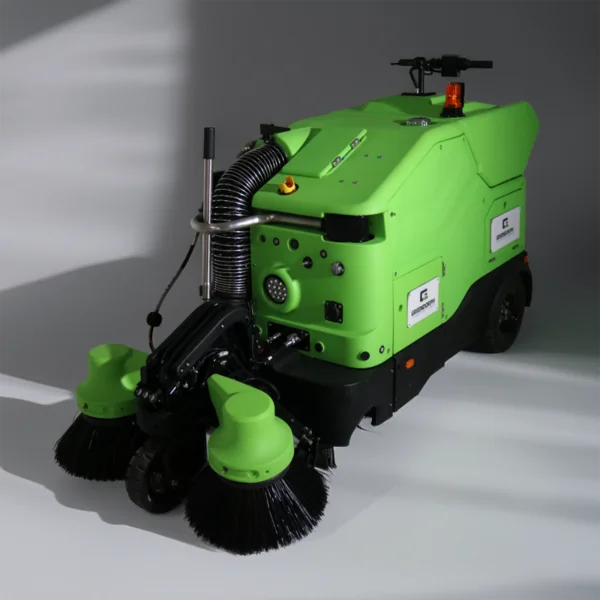
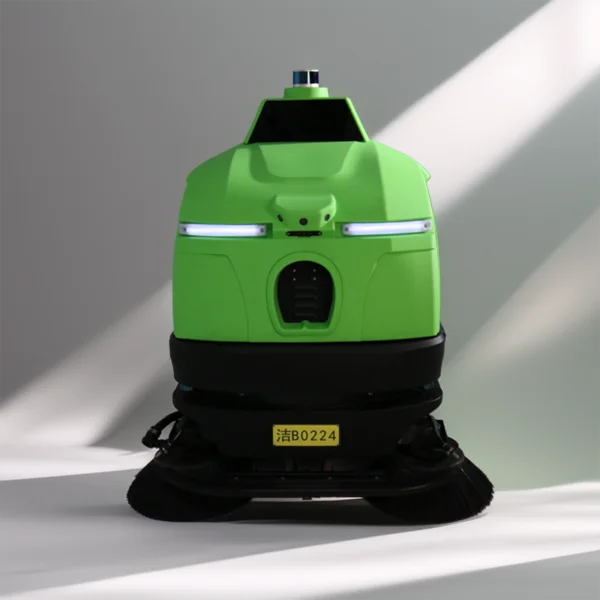
Maintaining modern commercial campuses, industrial parks, and municipal plazas requires an adaptable approach to environmental care. Outdoor spaces face continuous contamination from windblown soil, seasonal leaf drop, and coarse grit that compromises pavement traction. Leaving these loose particles unmanaged speeds up surface wear, gradually breaking down protective concrete and asphalt finishes under heavy foot traffic. Deploying an advanced outdoor robot cleaner presents a systematic and highly predictable method for maintaining large-scale public areas safely.
Deploying machinery into real-world commercial sites requires looking past basic product sheets to analyze true field performance capabilities. Varied surface grades, unpredictable pedestrian flows, and shifting weather conditions heavily challenge standard utility platforms. By focusing on critical engineering factors—such as autonomous navigation logic, energy use, and volumetric sweeping capacity—procurement teams can achieve predictable outcomes. This scientific approach to facility upkeep protects structural assets while optimizing long-term operational budgets.
Implementing Multi-Sensor Fusion for Dynamic Obstacle Avoidance
Real-world commercial environments are rarely static, often packed with moving pedestrians, delivery carts, and temporary signs. Early automated sweeping attempts frequently failed because machines froze or lost their position when faced with minor path adjustments. Modern autonomous navigation solves this issue by combining multiple data streams into a single, highly responsive mapping system.
Using a combination of LiDAR, 3D cameras, and ultrasonic sensors allows a machine to map its surroundings in real time. This advanced autonomous driving setup enables flexible obstacle avoidance, allowing the machine to navigate safely around unexpected barriers without stopping. Our team focuses on refining these spatial algorithms to keep utility operations running smoothly, even during busy daytime business hours.
Analyzing Volumetric Coverage and Hourly Cleaning Efficiency
Vast commercial plazas and industrial zones demand fast, high-volume sanitation tools to complete cleaning tasks before daily traffic peaks. A small utility sweeper with a narrow brush path requires too many repetitive passes, wasting energy and slowing down operations. Buyers must evaluate the precise physical area a machine can clean within a specific operating hour.
Selecting hardware built for industrial scaling delivers expansive concrete pathways receive thorough, rapid debris removal. Our advanced utility platforms are designed to handle up to 5000㎡/hour cleaning coverage, maximizing surface performance during every shift. At Greendorph, we optimize the width and speed of our main sweeping brushes to drive fast, high-efficiency cleaning performance.
Transitioning to 100% Electronically Powered Propulsion
Traditional internal combustion sweeping trucks rely on complex diesel engines that generate loud noise and heavy exhaust fumes. These fossil-fuel systems create a poor environmental footprint and limit maintenance schedules due to strict local noise laws. Transitioning to full electric power effectively reduces localized emissions while drastically lowering the overall noise level of your fleet.
Operating a 100% electronically powered fleet allows facility managers to schedule quiet cleaning shifts early in the morning. This advanced battery configuration delivers steady, uncompromised sweeping power across multiple consecutive hours without requiring any fossil fuels. Shifting to electric energy helps properties cut fuel expenses and meet modern sustainability goals with minimal tailpipe emissions.
Streamlining User Controls and Fleet Implementation Workflows
Introducing highly sophisticated automated hardware can sometimes overwhelm cleaning crews if the software interfaces are overly complex. Traditional industrial machinery often demands extensive specialized training, resulting in high onboarding costs and operational errors. Designing simple, intuitive control panels allows existing facility teams can deploy the machinery confidently from day one.
Our engineering team prioritizes easy to operate software dashboards that turn complex path planning into a simple task. At Greendorph, we design our user interfaces with clear visual menus so operators can launch automated routes with minimal effort. Simplifying this human-machine interaction prevents operational mistakes and helps your property implement automated workflows smoothly and quickly.
Leveraging Live Status Tracking for Real-Time Fleet Visibility
Supervising extensive commercial properties means facility managers must track multiple utility assets across vast outdoor zones simultaneously. Without live telemetry data, it is incredibly difficult to verify which pathways are clean or respond instantly to mechanical issues. Integrating smart cloud-based tracking provides operations teams with complete, real-time visibility over their entire maintenance layout.
Using secure cellular connections allows our machinery to stream live status tracking data straight to a central control dashboard. This wireless connectivity allows operators to monitor battery levels, check cleaning maps, and track active positions from any mobile device. Having access to this continuous data helping teams optimize their daily routes and reduce administrative oversight costs.
Evaluating Structural Build Durability for Harsh Outdoor Hardscapes
Outdoor concrete pavements and asphalt loading zones present tough physical conditions, including expansion joints, speed bumps, and rough curbs. Lightweight plastic designs suffer rapid wear and structural cracking when subjected to these daily physical impacts and demanding workloads. Buyers must look for heavy-duty steel framing, impact-resistant bumpers, and rugged wheel assemblies engineered for commercial use.
Our robust autonomous platforms utilize reinforced materials to protect sensitive internal electronics and high-suction vacuum systems from harsh vibrations. For example, our specialized Greendorph Auto Sweeper YJ130 model features a highly durable frame designed to handle demanding outdoor conditions easily. This focus on heavy-duty construction keeps your equipment active on the ground, minimizing mechanical breakdown risks.
Minimizing Component Wear for Sustainable Fleet Operation
Outdoor working environments filled with grit, dust and scattered debris continuously impose strain on conventional sweeping vehicles equipped with elaborate hydraulic transmission assemblies. Constant exposure to particulate pollution speeds up abrasion on belts, piping and fluid systems, triggering unexpected leakage, frequent malfunctions and mounting service expenditure. Adopting direct-drive electric architectures offers a practical solution to streamline mechanical layouts and mitigate common failure risks for outdoor sanitation equipment.
Our electric sweeper outdoor machines integrate advanced brushless motor technology to reduce the quantity of wearable rotating components. Freed from the routine servicing requirements of combustion-driven machinery, such as oil replacement and spark plug maintenance, these robotic sweepers avoid the vulnerabilities of intricate hydraulic circuits. The streamlined mechanical layout enhances operational stability amid rigorous all-weather outdoor tasks, lowers unplanned downtime, and supports facility operators in achieving predictable, controlled long-term maintenance spending.
Conclusion
Scaling commercial property care requires a deliberate move toward agile, automated, electric surface maintenance. Intelligent multi-sensor navigation helps managers overcome labor shortages and cut emissions. Quiet, low-maintenance electric sweepers outdoor protect delicate pavements while delivering consistent results across campuses and plazas. We at Greendorph provide reliable, low-emission autonomous solutions for cleaner, safer, more efficient facilities worldwide.