Maintaining clean, safe public roadways involves a complex mix of logistics, environmental science, and mechanical engineering. As cities expand and traffic density rises, municipal departments face increasing pressure to keep pavements clear of hazardous debris. Dust, heavy metals, and microplastics accumulate rapidly on asphalt surfaces, posing risks to stormwater systems and public health. Deploying a specialized street sweeper offers a highly structured way to manage these hidden urban environmental pressures.
Modern mechanical sweeping serves as a vital shield for municipal infrastructure, preventing localized flooding by keeping storm drains clear of organic buildup. Regular pavement maintenance preserves the physical integrity of roads, reducing the long-term need for costly asphalt repaving. Understanding the mechanics of modern roadway upkeep helps facility managers choose the most resource-efficient maintenance strategies for their communities.
Mitigating Dust Storms and Fine Particulate Matter on Concrete Surfaces
Uncontrolled road dust contributes significantly to poor localized air quality, especially in dense industrial zones and high-traffic corridors. As heavy vehicles brake and turn, they grind road debris into microscopic particles that float into nearby neighborhoods. Standard sweeping methods often stir these particles into the air, making the pollution problem worse instead of solving it.
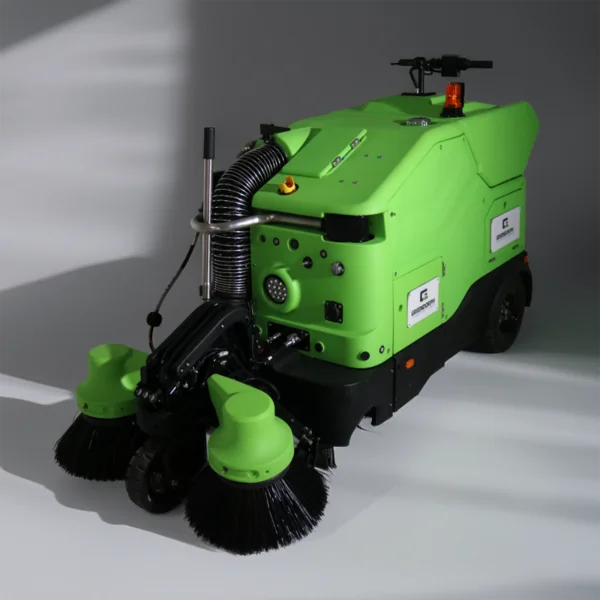
Modern dust-suppression technologies solve this issue by combining fine water misters with high-powered vacuum suction hoods. These systems trap microscopic debris right at the pavement interface before it can become airborne and enter human lungs. By investing in these advanced systems, municipalities can measurably improve air quality indicators across public transit lanes and residential blocks.
Protecting Aquatic Ecosystems Through Targeted Roadway Runoff Management
Every rainstorm washes motor oil, tire rubber, and heavy metals off local roadways and directly into nearby streams. Without proper preventative sweeping, this toxic slurry bypasses wastewater treatment plants and flows straight into fragile aquatic habitats. Removing these pollutants from the road surface before the rain hits is a high effective form of environmental defense.
High-efficiency sweeping systems capture these fine chemical residues before they can wash away into local watersheds. Our development team focuses heavily on maximizing debris retention to prevent harmful chemicals from seeping into local soils. This proactive maintenance approach safeguards regional water security and shields delicate aquatic life from dangerous urban chemical spikes.
Balancing Tight Operational Budgets with Rapid Urban Growth
Expanding city borders demand longer cleaning routes, yet municipal maintenance budgets rarely increase at the same pace. Traditional manual cleaning crews simply cannot keep up with thousands of square meters of pavement every single day. This resource gap often leaves outer suburban rings neglected, creating noticeable imbalances in community sanitation levels.
Relying on an experienced street sweeper company allows municipalities to optimize their labor allocation and maximize tight public budgets. Automated sweeping solutions cover massive physical areas rapidly, freeing up human workers to handle complex, precise maintenance tasks. This clever shift in asset management helps cities maintain consistent cleaning schedules across all neighborhoods without overspending.
Minimizing Noise Pollution in High-Density Residential Corridors
Traditional internal combustion utility trucks generate loud mechanical noise that frequently disrupts quiet neighborhoods during early morning shifts. This noise pollution often forces fleet managers to delay essential cleanings until midday, when heavy traffic slows down operations. Finding a quiet, low-decibel cleaning alternative is essential for maintaining harmonious relationships within local communities.
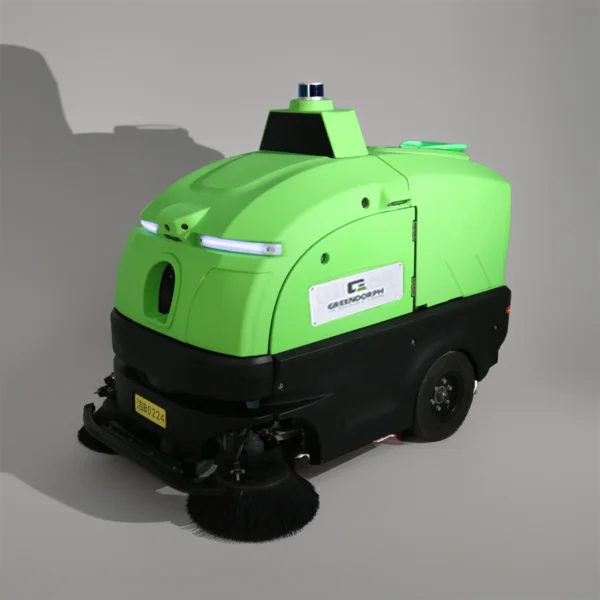
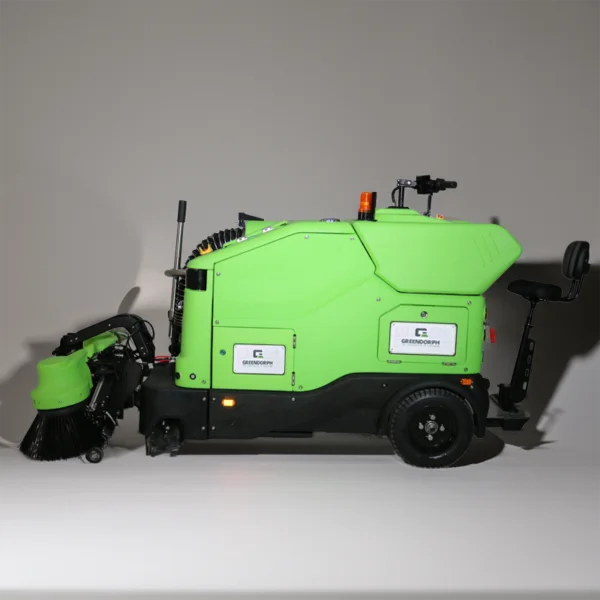
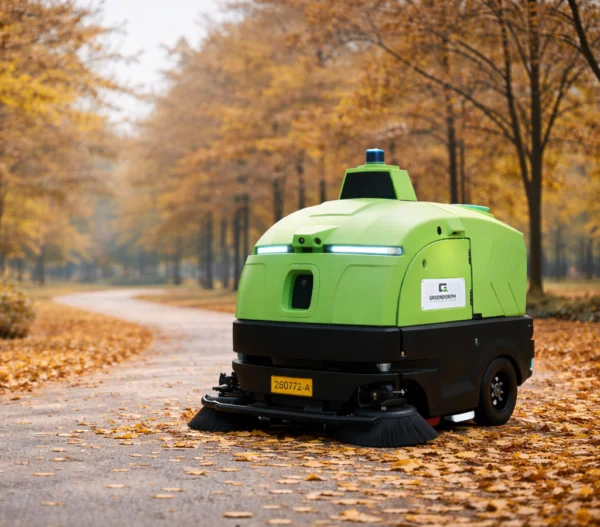
Transitioning to 100% electric sweeping fleets provides an elegant solution, operating near-silently even during late-night or early-morning shifts. At Greendorph, we build zero tailpipe emissions, near-silent propulsion systems specifically designed to minimize disruption in noise-sensitive hospital and residential zones. This quiet operation gives fleet managers the flexibility to schedule routine maintenance whenever it makes the most sense.
Resolving Labor Shortages in the Commercial Sanitation Sector
The commercial cleaning industry faces ongoing challenges with high staff turnover and persistent labor shortages for difficult outdoor roles. Manual sweeping is physically exhausting work that exposes personnel to harsh weather conditions, heavy traffic hazards, and airborne dust. These tough conditions make it incredibly difficult for service contractors to hire and retain reliable cleaning crews.
Integrating smart autonomous hardware transforms these strenuous roles, making daily operational workflows much safer and more fulfilling for workers. Our specialized autonomous utility models handle the repetitive, heavy-duty sweeping tasks largely on their own, reducing the need for operators to work directly in certain roadside environments. This technological shift creates a safer working environment while ensuring consistent cleaning performance across expansive commercial properties.
Extending Asphalt Lifespans Through Proactive Debris Removal
Left unchecked, abrasive sand, gravel, and heavy debris act like sandpaper under the weight of heavy commercial traffic. This constant grinding breaks down the protective upper sealants of asphalt, leading to micro-cracks, water infiltration, and potholes. Repairing this avoidable structural damage strains municipal budgets and causes frustrating delays for local commuters.
Consistent mechanical sweeping removes these abrasive materials early, significantly extending the service life of public and private roadways. By reducing debris accumulation, facility managers may lower some maintenance requirements over time. This straightforward preventative maintenance step keeps local roads smooth, safe, and highly reliable for years to come.
Conclusion
Upgrading to modern, automated road maintenance systems is a vital step toward building smarter, cleaner, and more sustainable cities. Transitioning away from loud, high-maintenance diesel equipment helps communities cut fuel costs, reduce tailpipe emissions, and lower operational noise. Embracing this shift toward quiet automation helps keep public spaces remain welcoming and safe for everyone. We are dedicated to providing reliable electric solutions that support cleaner, quieter urban environments.